

 Shun Nagai
Small-breed puppies have fast metabolisms and high energy demands, sensitive digestive systems, and tiny teeth—so their food requires special formulation considerations. In addition, managing physical properties during extrusion processing is a critical point that directly affects quality and palatability.
This article is a recipe design guide for dry dog food for small-breed puppies, written for product development and planning teams at pet food manufacturers. It explains practical strategies from the perspectives of nutrition science, manufacturing control, and market trends.
Key Health Challenges and Nutritional Needs
First, let’s organize the health challenges small-breed puppies commonly face and the key points for nutritional design and ingredient selection to address each one.
Countermeasures for Hypoglycemia Risk
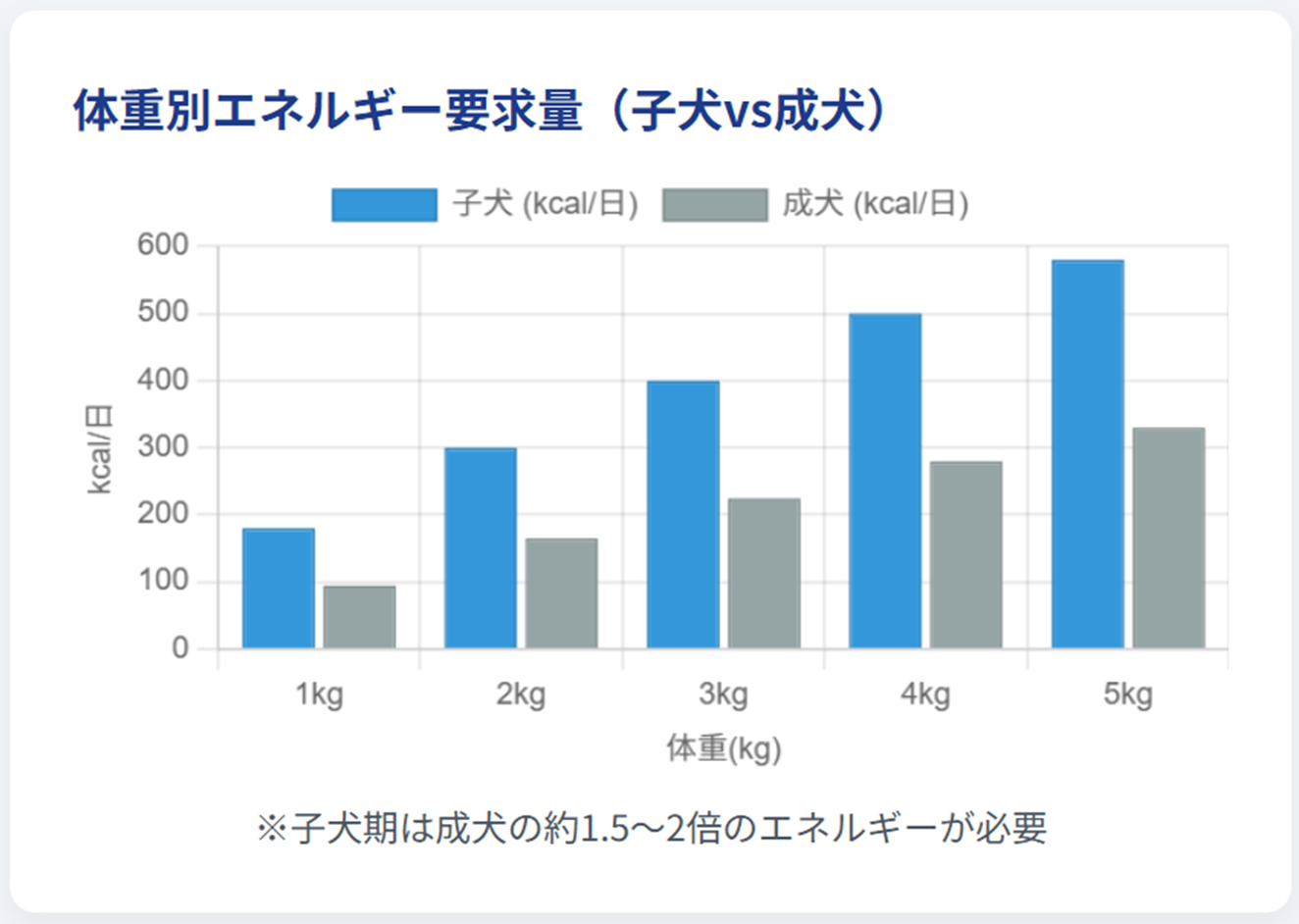
Toy and small-breed puppies are known to be prone to hypoglycemia. Because their energy storage capacity is limited and their metabolic rate is high, blood glucose can drop quickly after long periods of fasting.
In severe cases, it can progress to neurological symptoms such as seizures or even coma, requiring rapid intervention. From a formulation perspective, it’s important to consider the following points.
Design for high energy density
Small-breed puppies require more calories per unit body weight than large-breed puppies and can burn through energy quickly. Therefore, foods should be designed with higher energy density so that adequate calories can be provided even in small portions—by increasing fat and protein appropriately.
Fat provides about 9 kcal per gram and is generally well digested, so moderately increasing animal fats (such as chicken fat and fish oil) can be effective in puppy formulas. However, excess fat may cause digestive upset, so balance is essential.
Highly digestible carbohydrate sources
Carbohydrates are also an important energy source, but for small-breed puppies it’s best to choose starches with high digestibility. For example, rice, potatoes, and sweet potatoes can become highly digestible depending on processing and can provide a stable supply of glucose.
Rather than relying on simple sugars that spike blood glucose quickly, a diet centered on complex carbohydrates is ideal for more stable glucose maintenance. Include an appropriate amount of starch in the recipe, and increase digestibility by ensuring sufficient gelatinization during extrusion (discussed later).
Considerations for Sensitive Digestion
Small-breed puppies tend to have delicate digestive systems and are more prone to indigestion and diarrhea. Because their stomach capacity is also small, large meals can become a burden. For these reasons, careful ingredient selection and nutrient balance are required.
Highly digestible protein sources
To reduce strain on the digestive tract, formulate mainly with highly bioavailable animal proteins. Chicken, egg, and fish are suitable choices due to their high biological value. Meat by-products can also be acceptable if high-quality parts are used. On the other hand, avoid collagen-heavy tough connective tissue, or ingredients that show high crude protein on paper but have poor digestibility. In small-breed formulas, differentiation such as “made with XX% high-quality meat” is commonly used.
Appropriate fat and dietary fiber
Fat is important for energy, but too much can trigger diarrhea. For puppy food, a fat level around 15–20% is often a guideline, and using medium-chain triglycerides (such as from coconut oil) can also be considered. Fiber supports gut health, but excess fiber adds bulk and can interfere with digestion and absorption. Use small amounts of fermentable fiber such as beet pulp, inulin (from chicory), or psyllium to help balance the intestinal microbiota.
Leveraging the gut microbiome
Supporting the gut flora from the puppy stage can improve not only digestion but also immune function. Adding lactic acid bacteria or yeast-derived strains, and including prebiotics such as fructo-oligosaccharides (FOS) or mannan-oligosaccharides (MOS), can help increase beneficial bacteria and support the immune system. From a product development standpoint, claims such as “with probiotics” or “contains strain XX” can also add value.
Dental Health Support
Small-breed dogs have small jaws and teeth and are more prone to tartar buildup and periodontal disease. Designing food with dental health in mind from the puppy stage can support long-term oral health. Dry food can have a certain preventive effect against tartar, so here are ways to maximize that effect.
Kibble size and shape
Designing small kibble that fits a small-breed puppy’s mouth is essential. While keeping the diameter easy to bite and chew, making the kibble slightly firmer and thicker can increase chewing, promoting mechanical removal of plaque.
For example, ring-shaped kibble with a hole in the center, or kibble with textured surfaces, may provide a “tooth-brushing effect.” Royal Canin’s dental care formulas, for instance, promote plaque-scraping benefits through specialized kibble design.
Adding dental care ingredients
Adding polyphosphates can help prevent tartar (calcium phosphate) deposition by binding calcium in saliva. A practical example is sodium tripolyphosphate (STPP), which is used in pet food to help suppress tartar formation.
In addition, green tea extract (polyphenols) and seaweed powder (kelp-derived components) are also said to contribute to oral bacterial control. Including these and positioning the product with “dental care functionality” can be a differentiation point.
Calcium–phosphorus balance
Proper calcium and phosphorus balance is critical for tooth and bone development. In AAFCO puppy standards, a Ca:P ratio around 1.2:1 is generally recommended.
Because small breeds grow quickly, ensure calcium does not become insufficient. However, excessive calcium can trigger other issues such as urinary stones, so strict control of overall mineral balance as a complete and balanced diet is required.
Immune Support
During puppyhood, the immune system is still immature, and puppies are more susceptible to illness before completing their vaccination program. Small-breed dogs also tend to be long-lived, and immune support from an early stage can contribute to healthy longevity. Key nutrition points include the following.
Boosting antioxidant vitamins and minerals
Antioxidants help protect cells from oxidative damage and support immune maintenance. Vitamin E (tocopherols), vitamin C, beta-carotene, selenium, and zinc have antioxidant functions and should be appropriately included in pet food.
Premium puppy foods often fortify vitamins E and C and promote them as an “immune care blend.” Zinc is also essential for cell growth and wound healing, and deficiency can reduce immune function—so include it in highly bioavailable forms such as chelates.
Adding omega-3 fatty acids (DHA/EPA)
Omega-3 fatty acids such as DHA and EPA found in fish oil have anti-inflammatory effects and can help balance immune responses. DHA is also important for brain and nervous system development in puppies, so including salmon oil or fish meal can be valuable even in small-breed puppy formulas. Because omega-3s may also help moderate excessive immune responses such as allergies, this can be appealing for breeds with sensitive skin.
Protein and amino acid balance
Using high-quality protein sources to supply essential amino acids in good balance also supports immune-related amino acids such as arginine and glutamine.
Taurine and arginine in particular are known to be involved in immune function maintenance. While meeting AAFCO requirements is the baseline for complete and balanced diets, designing with a comfortable margin—high protein levels (30%+ is not uncommon in puppy formulas) and optimized amino acid balance—can further strengthen immune support.
Gut health and immunity
As noted above, some reports suggest that about 70% of the body’s immune system resides in the gut, making gut health effectively synonymous with immune support. Therefore, probiotics and dietary fiber strategies are beneficial not only for digestion but also for immune support, and can be integrated as a comprehensive “immune support design.”
Key Physical Properties in Manufacturing and Their Relationship to Formulation
- Raw material mixing and adjustment
Weighing and mixing dry ingredients and adding appropriate moisture
- Preconditioning
Preheating with steam and added water
- Extrusion
High temperature and pressure (100–140°C) to gelatinize starch
- Die cutting and expansion
Rapid moisture evaporation at atmospheric pressure causes expansion
- Drying, cooling, and coating
Stabilizing water activity and adding flavor coating
Dry dog food is generally manufactured using an extruder. Ingredients are heated and pressurized at high temperature and pressure, then pushed through a die and cut into kibble.
In this process, factors such as moisture content, starch gelatinization, and drying/cooling greatly affect kibble physical properties. Here we focus on water activity, kibble density, and expansion ratio—why they matter and how formulation must account for them.
Water Activity Control and Shelf Stability
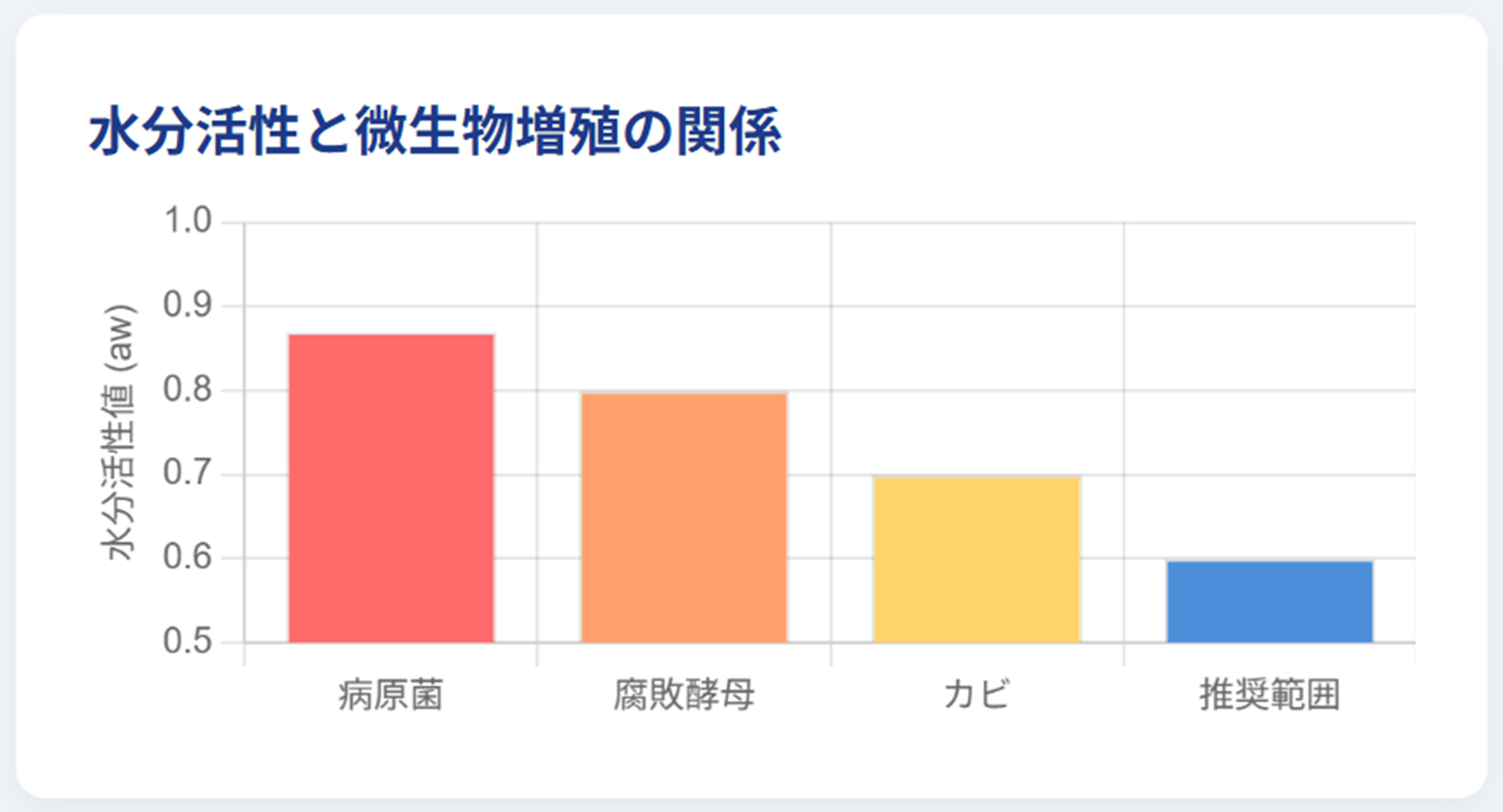
Water activity (aw) indicates the amount of “microbially available water” in food and directly relates to the risk of mold and bacterial growth. To ensure long shelf life, dry pet food must maintain a low aw.
In general, pathogenic bacteria stop growing below aw 0.87, spoilage yeasts below aw 0.80, and molds below aw 0.70. With a safety margin, managing aw at around 0.60 or lower is ideal.
In fact, commercial dry dog foods are reported to have around 10% moisture and aw around 0.5. After extrusion, the drying step must remove moisture sufficiently to keep products within this range, which is also important for quality specifications.
Ways to lower water activity
- Setting final moisture content
Adjust dryer temperature and time so final product moisture reaches about 8–10%. Lower moisture reduces aw. However, overdrying can make kibble more prone to cracking, so maintaining an appropriate range is important (many manufacturers set aw < 0.65 as a quality standard). - Using preservatives (when needed)
Water activity control is the primary measure for microbial control, but antioxidants (mixed tocopherols, rosemary extract) and anti-mold agents may also be used for oxidation prevention and contamination control.
However, demand for “no additives” has been growing, so ideally the process should minimize reliance on artificial preservatives, achieving “no artificial preservatives” through manufacturing control as much as possible. - Packaging and environment
Finished food should be packed in highly moisture-barrier packaging (such as aluminum pouches) to prevent humidity ingress from the air.
After opening, food tends to absorb moisture and aw can rise, so using smaller portion packs can help reduce quality deterioration.
Kibble Density, Expansion Ratio, and Product Quality
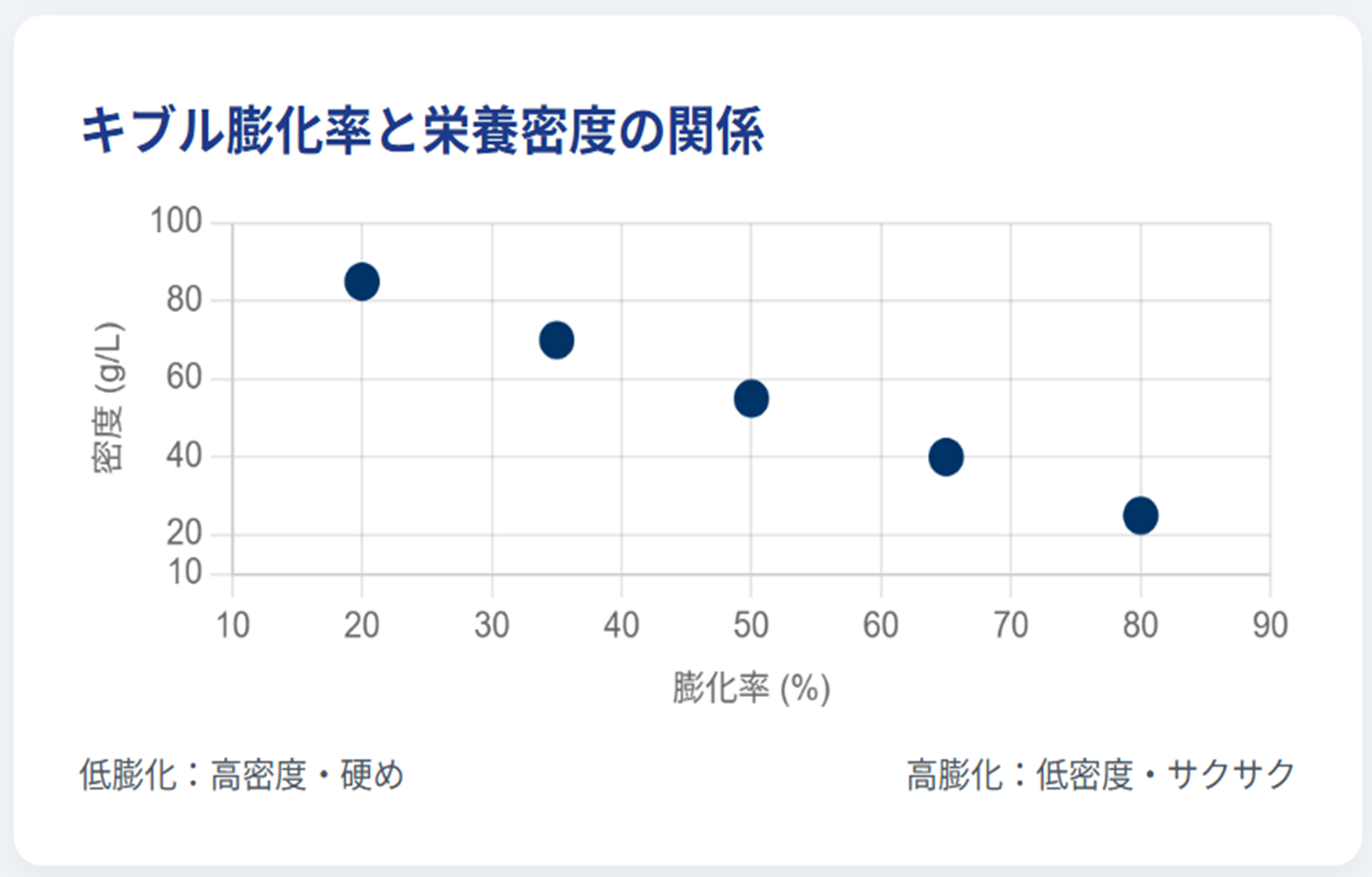
Kibble density refers to mass per unit volume (bulk density), and expansion ratio refers to how much the kibble expands after leaving the die (expansion relative to die diameter).
These two are closely related: higher expansion yields lighter, lower-density kibble with a crisp texture, while lower expansion produces harder, denser kibble. These physical properties affect palatability and nutrient density, so they should be considered from the design stage.
Balancing palatability and texture
In general, well-expanded kibble tends to be lighter and easier to break, which can improve palatability. For small-breed puppies with small teeth, kibble that can be bitten through with a light crunch is often preferable to excessively hard pieces.
Expansion is strongly influenced by starch content and processing conditions. With sufficient starch and higher shear energy/temperature in extrusion, starch gelatinizes and forms a structure that traps steam—expanding like corn flakes.
On the other hand, overly expanded and light kibble can reduce nutrient density per unit volume (i.e., it becomes “bulky”), which may make it harder for picky or small-appetite puppies to consume enough. Achieving both appropriate firmness and density is therefore important.
Relationship between starch level and expansion
Starch is the main driver of expansion. During extrusion, starch gelatinizes and forms a viscoelastic matrix, which foams as internal moisture flashes off. If the formula’s starch content is too low, sufficient expansion is difficult.
Some studies suggest that “60–70% starch in the formula is desirable for good expansion,” while in recent high-meat, low-carbohydrate formulas (including puppy/kitten and high-meat products), starch may be only 30–40%, leading to insufficient expansion in some cases.
Grain-free formulas that rely on legumes and tubers can also be harder to expand because starch supply may be insufficient or fiber levels may be higher.
To obtain appropriate kibble density in high-protein products, manufacturers may need to supplement starch using tapioca or potato, or increase shear via twin-screw extrusion, among other measures.
Relationship between moisture level and expansion
Water addition inside the extruder also affects expansion. When water is excessive (high-moisture conditions), the structure is more likely to collapse after expansion, resulting in higher density. Although more water might seem like it would increase steam and expansion, excess moisture often causes shrinkage during cooling and leads to harder products.
High moisture can also cause insufficient gelatinization, increasing density and hardness. Therefore, under appropriate extrusion conditions, avoiding excessive water addition helps achieve a crisp texture. Practically, the hydration rate and steam addition in the preconditioner are adjusted to approach the target expansion level.
Adjusting through ingredient selection
High-protein, high-fat recipes also tend to increase density. Meat and oils do not contribute to expansion the way starch does, and instead can soften the mass and increase density (fat acts as a lubricant and inhibits expansion). Fiber likewise can physically disrupt bubble structures and increase density.
In other words, today’s high-meat and grain-free trends can work against expansion. To address this, it’s necessary to strategically include grains or starchy ingredients that support expansion.
For example, even in grain-free formulas, adding tapioca starch or pea starch can help; or using small amounts of highly expandable grains such as rice or corn can be another approach. On the processing side, using higher-performance extrusion equipment and fine-tuning conditions is also part of the toolbox.
Reflecting Japanese Market Trends and Differentiation
Finally, let’s look at key trends in the Japanese pet food market that can drive differentiation, and how to incorporate them into nutrition and recipe design.
Developing products aligned with Japanese owner preferences is essential to win in the market. Major recent trend keywords and how they can be reflected in formulation are as follows.
Grain-free preference
Grain-free foods that exclude grains such as wheat, corn, and rice have attracted attention. The background includes beliefs such as “dogs cannot digest grains well” and “grains can be potential allergens.” These products are especially popular among owners of dogs with sensitive digestion or allergy concerns.
To reflect this in formulation, grains must be replaced with tubers and legumes as carbohydrate sources, while maintaining high protein with animal-based ingredients. Sweet potatoes, peas, and chickpeas are popular alternatives.
However, as described earlier, if starch levels are insufficient, expansion becomes difficult in manufacturing, so combining high-starch ingredients such as tapioca or potato is an important strategy.
Organic and natural preference
As with human food, keywords such as additive-free, organic, and human-grade have gained visibility in the dog food market. Foods made without synthetic preservatives, colorants, or flavorings—and using organic or human-grade ingredients as much as possible—are perceived as “safer and healthier” and are supported by dog owners.
From a formulation standpoint, avoiding artificial additives requires alternative preservation strategies. Examples include using natural antioxidants such as tocopherols (vitamin E) and rosemary extract, adding gut-support herbs (yucca, chamomile, etc.), using packaging strategies such as oxygen absorbers or smaller packs for oxidation-prone oils, and more.
When using organic-certified ingredients, attention is also needed regarding certification costs and labeling rules. Consider positioning statements such as “made with JAS-certified organic XX,” “no additives,” or “100% human-grade ingredients,” depending on the concept.
However, leaning too heavily into organic or domestic sourcing can increase costs, so it’s important to incorporate these elements in a balance that matches the target customer segment and price range.
Summary: The Importance of a Three-Integrated Approach
Developing dry food for small-breed puppies requires advanced nutritional formulation that addresses puppy-specific health needs (hypoglycemia, digestion and absorption, dental health, and immunity). At the same time, manufacturing and process control—such as water activity management and controlling density and expansion to achieve the intended kibble shape and quality—are equally essential.
And to differentiate in the Japanese market, it’s important to incorporate trends such as grain-free, domestic sourcing, and organic positioning in a smart way, adding value that resonates with customers.
For practitioners, it’s crucial to build product concepts from an integrated perspective of nutrition, manufacturing, and market alignment. For example, a coherent concept like “a grain-free formula for immune support in small-breed puppies made with domestically sourced organic ingredients” can deliver a strong brand story.
However, regardless of how much added value is incorporated, it is meaningless unless the product meets AAFCO requirements as a complete and balanced diet. Maintain uncompromising standards in nutritional balance, safety, and palatability, and continue repeated formulation trials and validation to deliver products you can confidently bring to market.