

 Shun Nagai
For dogs and cats to live happy, healthy lives, they need a balanced diet that includes protein, carbohydrates, fat, vitamins, and minerals.
All of these nutrients are essential, but protein in particular plays a critical role in their overall health. When protein is digested in the body, it is broken down into amino acids. These amino acids are what support growth, body function, and long-term health in dogs and cats.
What Are Amino Acids?
A dog or cat’s coat, skin, eyes, muscles, and organs are all made of protein. No matter how healthy they may be, dogs and cats cannot create protein on their own.
More specifically, protein is made up of 20 different amino acids, and dogs and cats need all of them.
Of these, 10 are called non-essential amino acids, which means the body can synthesize them from other nutrients. The remaining 10 are called essential amino acids, and these must be supplied through the diet.
The Roles of Essential Amino Acids
- Arginine: Helps remove ammonia, a waste product associated with fatigue, and supports immune function.
- Histidine: Helps produce histamine, which supports immune and digestive function.
- Isoleucine: Serves as an energy source and helps repair muscle tissue.
- Leucine: Supports muscle growth, helps reduce muscle breakdown, and aids liver function.
- Lysine: Supports calcium absorption and collagen formation.
- Methionine: Promotes liver function and energy metabolism.
- Phenylalanine: Contributes to emotional stability, appetite control, and pain relief.
- Threonine: Helps maintain protein balance as well as healthy skin and coat.
- Tryptophan: Helps produce serotonin, which supports emotional balance and better sleep quality.
- Valine: Supports muscle metabolism and repair.
Unlike carbohydrates and fat, the bodies of dogs and cats cannot store these essential amino acids for later use.
That means if even one essential amino acid is lacking, it can affect the body’s overall function. This is why it is so important to ensure that all essential amino acids are included in the daily diet.
Benefits of Amino Acids
Regardless of breed, size, or age, essential amino acids play a vital role in the diets of both dogs and cats. The protein they consume in food is broken down into amino acids, which then support a wide range of critical functions in the body.
Building and Repairing Tissues
Amino acids help build and repair muscles, skin, ligaments, bones, blood vessels, and other tissues.
For example, when a dog is injured or engages in intense exercise, muscle fibers can become damaged. Amino acids promote the formation of new cells and help repair damaged muscle tissue, supporting recovery and muscle development.
As a result, dogs and cats are able to recover more quickly from daily activity and exercise while maintaining good overall health.
Transporting Nutrients
Amino acids also play an important role in transporting nutrients throughout the body.
For example, albumin, a protein found in the blood and made from amino acids, binds to trace minerals such as calcium, zinc, and copper, as well as fatty acids and enzymes, and carries them to the parts of the body where they are needed.
When this transport system works properly, essential nutrients can be distributed efficiently throughout the body, helping dogs and cats maintain good health.
Supporting Healthy Skin and Coat
Amino acids help maintain healthy skin and a healthy coat in dogs and cats. Collagen, a protein made up of amino acids, helps maintain skin elasticity and condition. Keratin, another protein composed of 18 amino acids, is the main structural component of the coat.
When the amino acids needed to form these proteins are lacking, the skin may become dry and the coat may become thin or dull.
A diet rich in amino acids helps keep the skin healthy and the coat glossy and beautiful.
Carrying Oxygen
Amino acids are necessary for the production of hemoglobin. Hemoglobin is a protein found in red blood cells that carries oxygen from the lungs to cells throughout the body.
This allows each part of the body to receive enough oxygen to function properly.
Strengthening the Immune System
Amino acids are essential for strong immune function. For example, the amino acid glutamine serves as an energy source for immune cells and helps support normal immune activity.
In addition, glutathione, which is produced from the amino acids glutamic acid, cysteine, and glycine, functions as an antioxidant in the body and helps support the immune system by suppressing declines in liver function and improving cognitive function.
Protein Sources Suitable for Amino Acid Intake
Protein quality is measured using a value called Biological Value (BV). Biological Value indicates how efficiently essential amino acids from food are absorbed and utilized in the body, and it is used as an indicator of protein quality and digestibility.
1. Whole Eggs
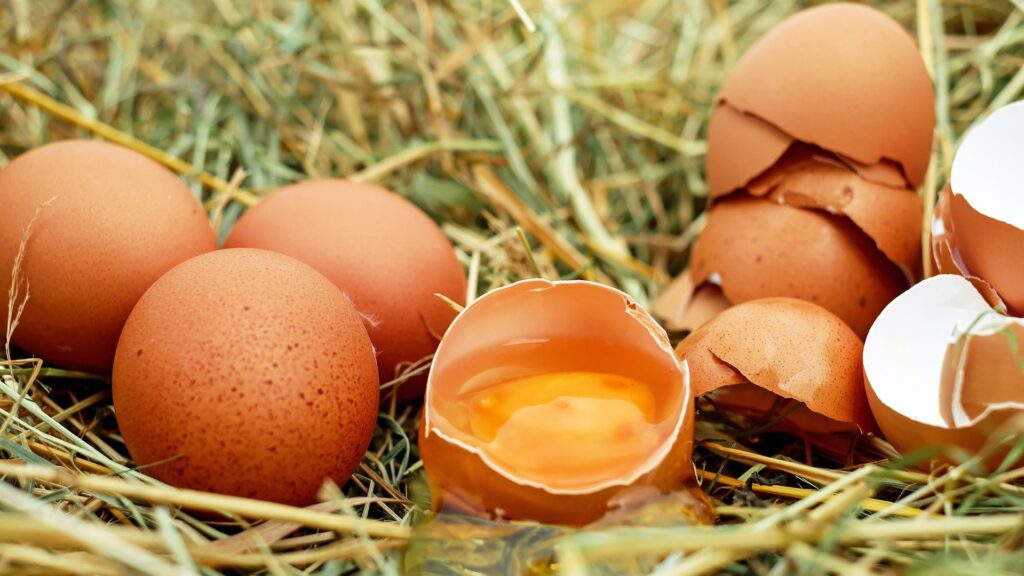
Whole eggs are often called a complete food and are considered a perfect protein with a biological value of 100%. Egg whites are rich in amino acids and easy to digest, while yolks are rich in B vitamins. Whole eggs can be fed as they are, and when needed, the shell may also be included as a calcium source.
However, eggs alone cannot meet all of a dog’s dietary requirements. In addition, feeding more than one egg per day is not recommended.
2. Lamb, Chicken, and Beef
Lamb, chicken, and beef come next, with a biological value of 92%. Organ meats such as liver and kidney are slightly lower at 90%. Among animal protein sources, lamb and chicken are considered especially digestible for dogs, followed by beef.
This is one of the major reasons why these proteins are widely used in premium dog foods: they are more digestible than many other protein sources.
Beef and Pork for Therapeutic Diets
Beef and pork contain the lowest levels of sodium. Pork contains the highest level of potassium, while chicken contains the lowest.
This information is important when developing pet food for animals with heart or kidney disease. Dogs with certain heart conditions may benefit from meats that are lower in sodium, while dogs with certain kidney conditions may do better with meats that are lower in potassium.
In addition, lamb, chicken, beef, and pork may all be suitable for dogs that are prone to bladder stones. These meats are all low in calcium and moderately low in magnesium.
3. Fish
Fish is an excellent source of protein and also provides omega fatty acids, although its digestibility is around 75%.
Fish is a high-quality protein source for dogs and compares favorably with beef. Fish contains a slightly higher protein ratio than beef by about 3%, but beef is generally easier to digest.
Fish is also lower in fat than beef and contains omega-3 and omega-6 fatty acids, making it one of the ideal protein options for dogs that need to lose weight.
4. Plant Protein
Plant-based protein sources such as corn and soybean meal are also relatively digestible, but they do not provide as wide a range of amino acids. However, because dogs are omnivorous, some studies suggest that adding grains containing carbohydrates may benefit their health.
Compared with animal protein, plant protein is generally less digestible, with digestibility ranging from 54% to 75%.
However, according to an article published by the American Veterinary Medical Association (JAVMA), research has shown that properly processed soy-based protein can have digestibility comparable to animal protein sources.
Protein Source Comparison Table
| Rank | Protein Source | Biological Value / Digestibility | Characteristics |
|---|---|---|---|
| 1 | Whole eggs | BV 100% | Considered a complete protein; highly digestible; rich in amino acids and B vitamins |
| 2 | Lamb, chicken, beef | BV 92% | Highly digestible animal proteins commonly used in premium dog food |
| – | Organ meats (liver, kidney) | BV 90% | Nutritious protein sources with slightly lower BV than muscle meats |
| 3 | Fish | Digestibility 75% | Excellent protein source; contains omega-3 and omega-6 fatty acids; lower in fat than beef |
| 4 | Plant protein | Digestibility 54% to 75% | Includes corn and soy; generally less digestible than animal protein, though properly processed soy may be comparable |