

 Shun Nagai
Hoki is a deep-sea fish sustainably harvested from the pristine waters of New Zealand. Rich in high-quality protein and omega-3 fatty acids, and low in harmful substances such as mercury, hoki is an ideal ingredient for supporting your dog’s health.
In this article, we explain why hoki stands out from other fish in terms of nutritional value and why it can be used safely in dog food. This is a must-read for anyone considering developing premium dog food designed to support canine health.
白身魚ホキについて
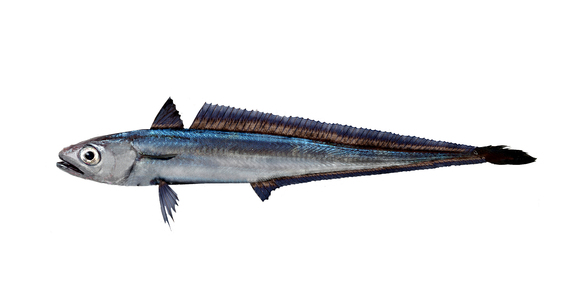
Hoki (Macruronus novaezelandiae) is a deep-sea fish belonging to the Merlucciidae family in the cod order. It inhabits the southern waters of New Zealand, particularly around the subantarctic islands, at depths of approximately 500 to 800 meters.
It has a very distinctive appearance, making it unlikely to be mistaken for other fish. Hoki has a slim, torpedo-shaped body and can grow up to 1.3 meters in length. It typically weighs around 3 to 4 kilograms.
One of hoki’s most notable features is its body shape, which tapers from a broad head to a narrow tail. To help it blend into the deep-sea environment and avoid predators, hoki has a bluish-black back and a silvery-white underside. Its forked tail and sharp inward-curving teeth are also key characteristics.
Health Benefits for Dogs

High in Protein
Hoki is rich in nutrients essential to a balanced diet for dogs. For example, 100 grams of hoki contains more than 20 grams of protein. This high-quality protein is an essential nutrient for building and maintaining not only muscles, but also bones, cartilage, ligaments, nails, skin, coat, and internal organs.
Rich in Omega-3 Fatty Acids
Hoki is also an excellent source of omega-3 fatty acids. Every 100 grams of hoki provides approximately 250 mg of omega-3s. Omega-3 fatty acids help support healthy skin and joints, and may help ease symptoms associated with dermatitis and arthritis.
They are also said to be metabolized more quickly than other fatty acids, which may help reduce the risk of obesity. In addition, omega-3s are believed to help lower triglyceride levels and support a healthy metabolism.
Rich in Vitamins and Minerals
Hoki contains more than 17 essential vitamins and minerals, including vitamins A and D, which help support vision and bone health.
Low in Mercury and PCBs
Compared with many other fish species, hoki is considered to be low in mercury and other toxins. It is also believed to absorb harmful heavy metals and toxins such as polychlorinated biphenyls (PCBs) and dioxins less readily than many other fish.
Some studies suggest there may be a link between PCBs and inflammation, which may increase the risk of cardiovascular disease, cancer, type 2 diabetes, and other health conditions.
Free from Ethoxyquin
Because hoki in New Zealand is generally wild-caught, it does not contain high levels of ethoxyquin from aquaculture feed. Ethoxyquin is an antioxidant commonly used in fish feed, and excessive intake may be harmful.
Ethoxyquin is often found in higher amounts in farmed fish. Excessive consumption is said to potentially affect kidney health in dogs.
Comparison with Other Fish, Including Mackerel
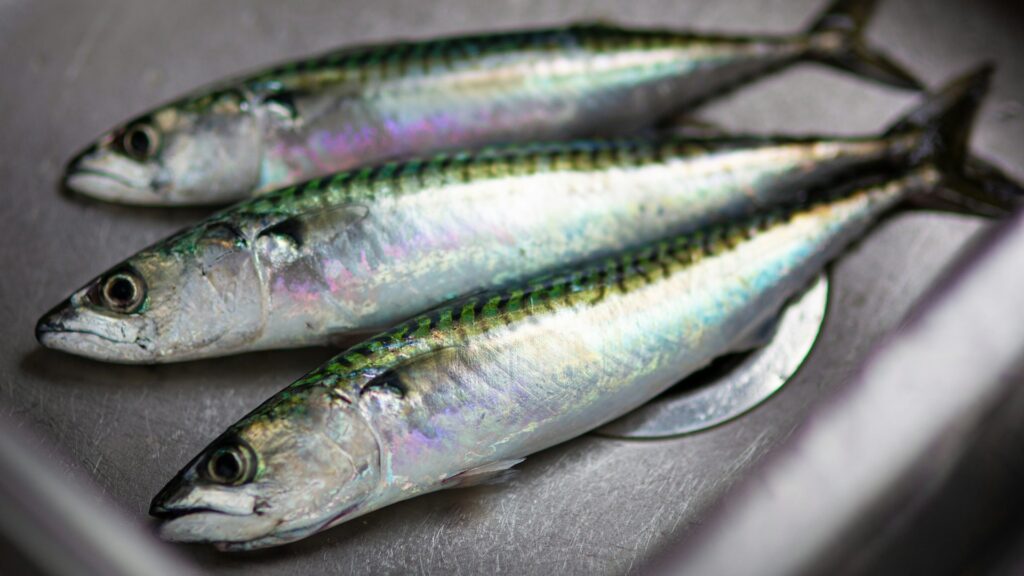
Compared with other fish, hoki offers excellent overall nutritional value. For example, it contains significantly less fat than salmon, making it an ideal option for dogs that need to avoid high calorie intake. At the same time, it contains more omega-3 fatty acids than cod, and although slightly lower than salmon or mackerel, it still provides a meaningful amount.
Hoki is also competitive in terms of protein content, with more than 20 grams of protein per 100 grams. Its vitamin and mineral content is generally comparable to that of most other fish.
One area where hoki stands out is its notably high selenium content compared with many other fish, contributing to strong antioxidant properties. In terms of texture and flavor, hoki is very similar to cod, making it an attractive alternative ingredient.
Overall, hoki offers a well-balanced nutritional profile even when compared with other popular fish.
Comparison Table
| Fish | Protein | Fat Content | Omega-3 Content | Other Characteristics |
|---|---|---|---|---|
| Hoki | 20g+ per 100g | Low | About 250mg per 100g | High in selenium, mild flavor, similar to cod |
| Salmon | High | High | Higher than hoki | More calorie-dense |
| Mackerel | High | Higher than hoki | Higher than hoki | Rich in oils |
| Cod | High | Low | Lower than hoki | Similar taste and texture to hoki |
Sustainable Hoki Fishing

All hoki harvested in New Zealand is caught under sustainable fishery management practices. For example, annual catch limits are set for hoki. These controls include the number of fish that may be caught each year, the fishing areas, and the number of vessels permitted during the season.
These sustainability efforts not only help protect the future of marine life, but also contribute to providing customers with sustainable products.
In addition, hoki is generally wild-caught rather than farmed, which helps avoid the environmental damage often associated with aquaculture. You may wonder whether it is really possible to protect the ecosystem while catching only wild hoki. However, hoki is also a fast-growing species, and during spawning season, a single female can produce more than one million eggs.
Is Farmed Salmon Harming the Natural Environment?
About 70% of the salmon consumed worldwide is farmed. Aquaculture on this scale can have a negative impact on the natural environment. For example, in Tasmania, incidents have been reported in which more than one million fish died due to overfishing and marine pollution.
In farming environments where large numbers of fish are raised in one place, diseases and parasites are more likely to spread, and these can potentially affect wild marine life as well. Farmed fish are also given feed intended to help prevent these problems, and this may pose health concerns for dogs.
Contact and Consultation

Our OEM support business helps clients identify OEM factories in New Zealand and provides assistance with product planning, development, manufacturing, and shipping.
We offer comprehensive support for the development of a wide range of dog and cat food products made with hoki, including dry food, freeze-dried products, air-dried products, retort food, and treats, while tailoring our services to each client’s specific needs.
How to Contact Us
Phone: +66 (0)61-457-4310
You are welcome to call our representative directly. Phone inquiries allow us to respond quickly and provide the information you need right away.
Email:
You may also send your inquiry by email to our representative. We will provide detailed answers to your questions and requests.
Information to Prepare Before Contacting Us
After we receive your inquiry, we will discuss the details based on your interests and needs. At that stage, we will ask about the following:
- Project Overview
Please tell us about the product you would like to develop and the purpose of your project. - Requests and Preferences
If you can share any specific product requirements, preferences, and budget, we will be able to make more tailored proposals. - Schedule
Please let us know your target launch timing and development schedule.
We value close communication with our clients and are committed to providing the fullest possible support for the success of your project.