

 Shun Nagai
Did you know that many wild canids eat insects? In fact, some wild dogs not only eat insects regularly, but in certain species, insects make up a large portion of their diet. For example, termites account for 80–90% of the bat-eared fox’s diet.
Why does this matter for dog food?
Because looking at the diets of dogs’ ancestors and wild relatives—such as wolves, coyotes, and foxes—can offer valuable insight into the types of foods that are nutritionally appropriate for dogs.
Today’s dog food industry often follows the trend of feeding “high-protein diets” inspired by the eating habits of dogs’ ancestors. However, wild canids also commonly consume insects as part of their natural diet.
In fact, eating insects makes perfect sense for wild dogs. Insects are available in many environments and can often be found year-round. They are also one of the safest forms of animal protein for canids to hunt. This is especially important for smaller wild dogs, since insects are far less likely than larger prey animals to cause serious injury.
Most importantly, insects are rich in protein, fat, and other essential nutrients that dogs need. In this article, we introduce several wild canids that eat insects.
Bat-Eared Fox
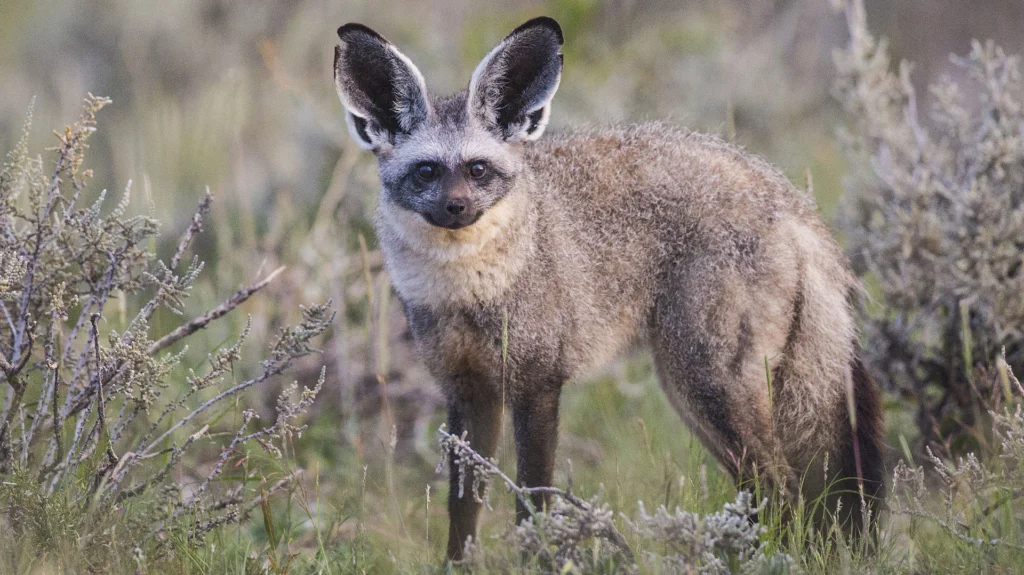
The bat-eared fox (Otocyon megalotis) is a unique canid native to the African savanna and is well known for its large ears. It uses those ears to detect prey moving underground.
The bat-eared fox is primarily insectivorous, feeding mainly on termites, beetles, grasshoppers, and other small invertebrates. It also plays an important ecological role by helping control insect populations and is said to consume as many as 1.15 million termites in a single year.
It will occasionally eat small rodents, fruit, and eggs as well, showing its ability to adapt to a varied diet.
Bengal Fox
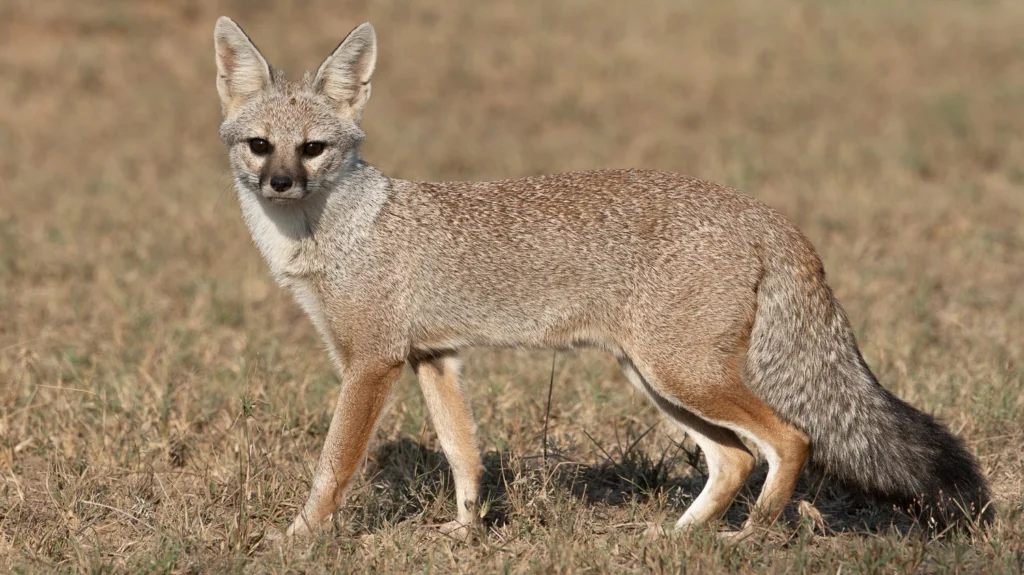
The Bengal fox (Vulpes bengalensis) is a slender, small canid native to the Indian subcontinent. It typically measures 45–60 cm in body length and weighs around 2–3 kg. It is characterized by its bushy tail, pointed ears, and reddish-brown coat.
The Bengal fox has a highly varied diet and is omnivorous, eating insects, small mammals, birds, reptiles, and fruit. This flexible feeding behavior helps it adapt to a wide range of environments, including grasslands, scrublands, and semi-arid regions.
It also plays an ecological role by helping control insect and small animal populations, while contributing to seed dispersal through fruit consumption.
Coyote
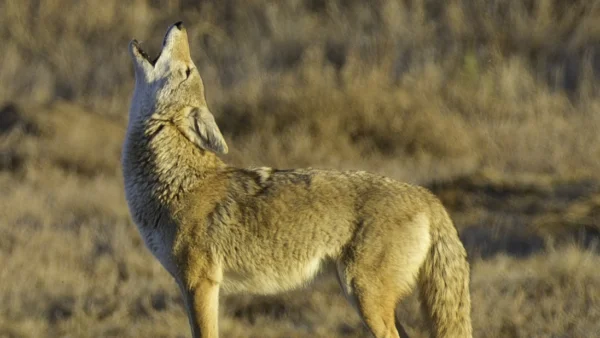
The coyote (Canis latrans) is a member of the canid family that is widely distributed across North America. It is known for its bushy tail, pointed ears, and intelligent expression, and it thrives in a wide variety of habitats, including forests, grasslands, deserts, and even urban areas.
Coyotes are omnivorous and have a highly adaptable diet. They eat small mammals such as rabbits and rodents, as well as birds, reptiles, insects, and even fruit and vegetables.
Coyotes also scavenge carrion. Thanks to their flexible diet and strong hunting skills, they are able to survive successfully in both wild landscapes and human-influenced environments.
Side-Striped Jackal
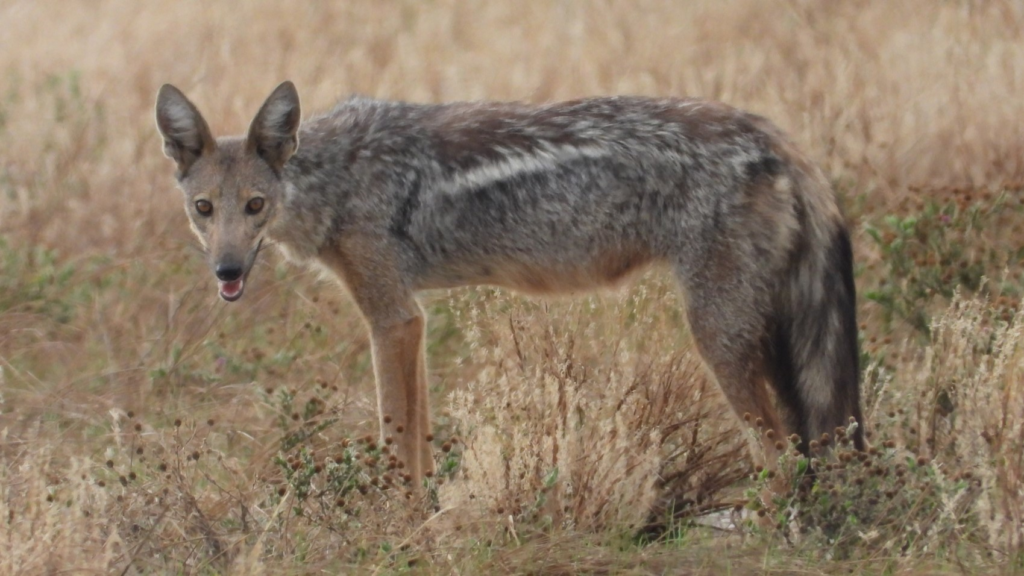
The side-striped jackal (Canis adustus) is a medium-sized African canid found in central and southern Africa. It is recognized by the pale stripe running along each side of its body.
This species is highly adaptable and can be found in a variety of environments, including savannas, woodland areas, and even near towns and villages. Its diet is omnivorous and includes small mammals, birds, reptiles, amphibians, insects, and fruit.
It also feeds on carrion and human waste. A study conducted in Zimbabwe reported a diet consisting of 48% fruit, 31% insects, and 11% each of carrion and birds.
Island Fox
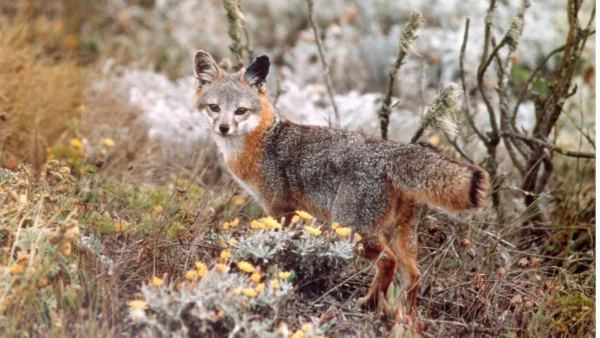
The island fox (Urocyon littoralis) is a small fox species endemic to six of the eight Channel Islands off the coast of California.
It is a small canid, with a body length in the 50 cm range and a body weight of around 2 kg—roughly similar in size to a Chihuahua. The island fox is omnivorous and feeds on a wide variety of foods, including insects, small mammals, birds, eggs, and plants, making the most of the limited resources available in its island habitat.
This diverse diet not only helps the island fox survive in its ecosystem, but also allows it to play an important role in controlling insect and rodent populations.