

 Shun Nagai
In recent years, grain-free dog food has attracted growing attention as part of canine health management. This trend is based on a theory similar to the paleo diet popular among people today—the idea that ancestral eating patterns are healthier.
The paleo diet is built around avoiding processed foods, seasonings, and sugar while consuming a balanced mix of high-quality protein, carbohydrates, and fats.
This same concept has been applied to dogs’ diets, with the belief that avoiding grains may offer health benefits such as relief from allergies, improved digestion, and increased energy.
In this article, we will take a closer look at the background behind the grain-free theory, its potential benefits, and why grains are included in modern dog food in the first place.
The Background Behind the Grain-Free Theory

The trend toward grain-free dog food is similar to the paleo diet that has become popular in recent years for humans.
The paleo diet is based on the eating habits of our ancestors and emphasizes consuming high-quality protein, grain-free carbohydrates, and fats while avoiding refined processed foods, seasonings, and sugar.
According to this theory, foods free from processed ingredients and artificial additives can help modern people enjoy better health, much like our ancestors who lived without many of today’s lifestyle-related diseases. In fact, people who follow this diet often report benefits such as weight loss, anti-inflammatory effects, and improved satiety.
Dr. Tiffany Margolin, a veterinarian in California, explored whether this same thinking could also apply to dogs’ eating habits. Through her research, she concluded that grains are a cause of food allergies in dogs.
According to Dr. Margolin, when a dog is experiencing inflammation or food allergies, grains should be among the first ingredients removed from the diet.
Did Ancestral Diets Include Grains?
One study that supports the grain-free theory comes from Steve Brown, founder of ADF and a researcher in nutrition.
According to Brown’s findings, the ancestral canine diet—the equivalent of a paleo diet for dogs—consisted of 85–90% animal meat, 10–15% berries, nuts, and other plant matter, plus very small amounts of fish and eggs.
In other words, their calories came from roughly 50% protein, 44% fat, and 6% plant-based carbohydrates.
These findings suggest that a diet balanced around high protein and fat is the healthiest combination for dogs. Put another way, the diet of dogs’ ancestors contained little to no grain.
Why Modern Dog Food Contains Grains
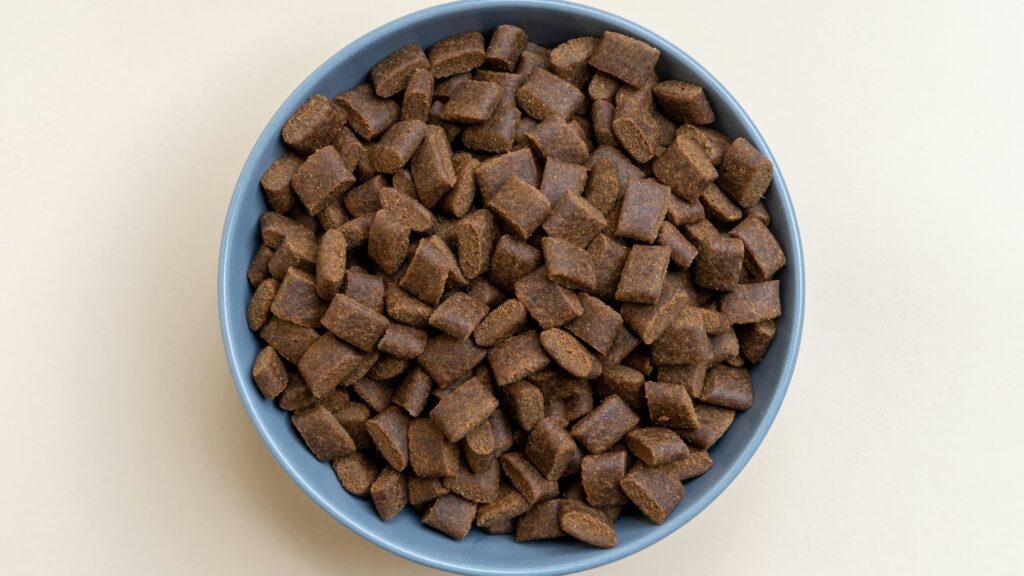
So why do modern dry dog foods contain grains? One reason is that grains are used as fillers. Dry grains make it possible to manufacture dog food at a lower cost.
However, as mentioned above, when we consider dogs’ natural biology, dog food containing large amounts of grain is not a natural source of nutrition for them. Grains are not foods that wild animals typically prefer to eat.
Also Needed for Kibble Formation
When we talk about grains, we are also talking about carbohydrates—particularly starch—which help create the structure and texture of kibble. When starch is heated, it gelatinizes, becomes more viscous, and blends more easily with other ingredients.
This process is important for kibble formation and subsequent drying, and it ultimately affects the hardness and palatability of the final product.
The Difference Between Grain-Free and Gluten-Free
So what exactly does grain-free mean? It is often confused with gluten-free, but it is important to understand that the two are not the same.
As the name suggests, grain-free means that no grains of any kind are included. Grains are ingredients that are rich in starch and similar compounds. Examples include corn, wheat, barley, and rye.
Gluten, however, refers to a protein found in certain grains. Therefore, gluten-free means that gluten proteins are not included, but it does not necessarily mean the food is grain-free. By contrast, grain-free products are always gluten-free.
A gluten-free diet is not necessarily required for dogs, but many dogs, like humans, can be sensitive to gluten, so avoiding it may help relieve allergies.
Benefits of Grain-Free Diets for Dogs

Now that we have explained what grain-free means, let us look at the benefits dogs may gain from a grain-free diet.
Relief from Allergies
Common symptoms of food allergies include chronic diarrhea, vomiting, excessive paw licking, itchiness, inflamed skin, hair loss, and ear infections.
Because grains are considered a common cause of food allergies, switching to a grain-free diet may increase the likelihood of resolving food-related allergic reactions.
At the same time, dogs can also be allergic to certain animal proteins. Using dog food made with a single animal protein source can make it easier to identify the cause of an allergy.
Improved Digestion and Nutrient Absorption
When digesting and absorbing carbohydrates, humans begin the process with amylase in the saliva. Amylase breaks down starchy complex carbohydrates—such as sweet potatoes, legumes, and grains—into simple sugars.
Dogs, however, do not produce amylase until food reaches the duodenum, so carbohydrates such as grains are believed to be harder for them to digest than protein. As a result, reducing grains may make meals easier to digest and allow dogs to absorb more nutrients in the process.
Another possible benefit is that if more of the food is digested and absorbed, there may be less waste, along with reduced flatulence and possibly even less bad breath.
That said, excessive protein can also put strain on a dog’s body, so it is important to choose a well-balanced dog food.
Increased Satiety
If your dog looks up at you after a meal as if to say, “I’m still hungry,” you may assume it is simply begging for treats. In reality, however, dog food containing grains may increase a dog’s appetite.
This is similar to how people may eat pasta or bread and then feel hungry again not long afterward.
By contrast, dogs that switch to grain-free dog food tend to show reduced appetite. This is because grain-free diets can help dogs digest and absorb nutrients more effectively, leaving them feeling fuller.
Since they are getting the nutrients they need, they may be less likely to keep seeking more food.
More Energy and Weight Reduction
Generating energy from protein while removing grains and achieving a higher level of digestibility can ultimately lead to increased energy. In addition, reducing carbohydrates can help prevent weight gain.
This is especially important for dogs that are prone to obesity. As canine obesity becomes a more serious issue, grain-free diets may help support weight reduction.
However, grain-free does not mean carbohydrate-free. Grain-free dry food still contains carbohydrates, and these can still contribute to weight gain, so this point should be kept in mind.
Points to Consider with Grain-Free Products
Just because a dog food is grain-free does not automatically mean it is healthy. What matters most is that the food is nutritionally balanced.
First, it is important to make sure it contains high-quality animal protein, such as chicken, lamb, fish, or beef. If possible, the other ingredients should also be organic and free from artificial preservatives, colorings, and additives. It is also important to check that the food contains the necessary vitamins.
Another key point is whether a grain-free diet should be introduced at all, and if so, how it should be introduced, depending on the dog’s size, age, and health condition.
OEM Manufacturing of Grain-Free Products
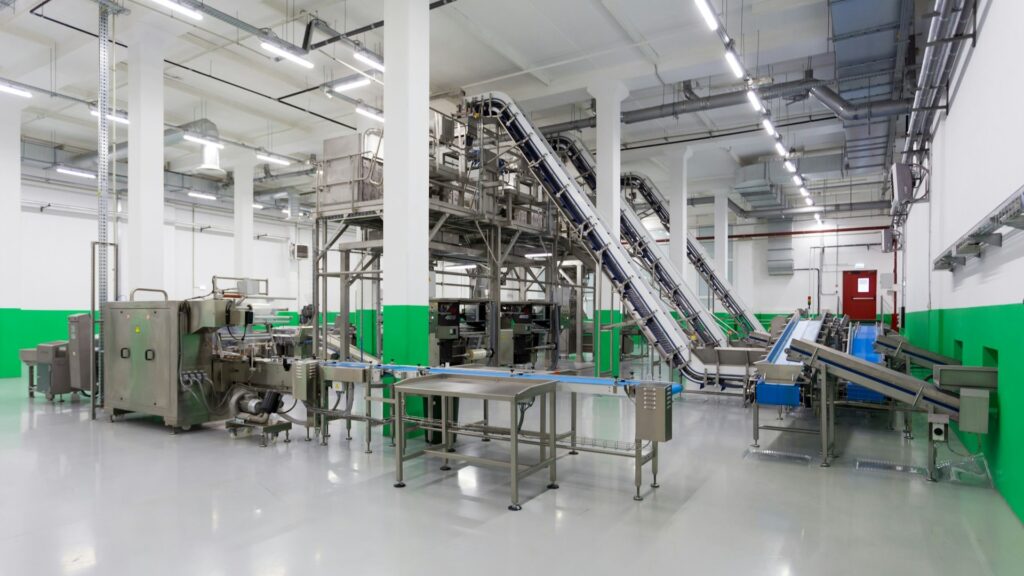
Our company provides support for dog food development and OEM manufacturing in both Thailand and New Zealand.
Thailand is widely known as a major hub for pet food OEM manufacturing. In recent years, as the pet food market has diversified and demand for higher quality has increased, Thai OEM factories have become capable of developing premium pet food products as well.
In New Zealand, OEM manufacturing makes it possible to develop super-premium dog food using organic ingredients sourced in New Zealand.
Inquiries and Consultations

Please feel free to contact us with any questions or inquiries regarding our OEM support services.
How to Contact Us
Phone: +66 (0)61-457-4310
You can call our representative directly. Phone support is the fastest way to receive quick answers and the information you need.
Email:
You can send an inquiry email to our representative’s email address. We will respond with detailed answers to your questions and requests.
Information We Would Like You to Prepare
After contacting us, we will discuss the details further based on your interests and needs. At that stage, we will ask about the following points:
- Project Overview
Please tell us about the product you would like to develop and the purpose of the project. - Requests and Preferences
If you can share any specific product requirements, preferences, and budget, we will be able to make a more concrete proposal. - Schedule
Please let us know your target completion date and overall schedule for the product.
We value close communication with our customers and will provide the fullest possible support to help make your project a success.