

 Shun Nagai
Food allergies in dogs have been increasing year by year, and in many cases, common animal proteins such as chicken and beef are the cause.
One ingredient now attracting attention is catfish as the main protein source in hypoallergenic dog food. Catfish is high in protein and low in fat, while also being considered less likely to trigger allergies. This means it may be a safe option even for dogs that have had problems with other ingredients in the past.
Catfish is also rich in nutrients such as omega-3 fatty acids and vitamin B12, which help support overall health. In this article, we take a closer look at the benefits of developing dog food made with catfish.
What Is Catfish?
Catfish is a freshwater fish known for the whisker-like sensory organs around its mouth. These sensory organs help it search for food in muddy water. Because these whiskers resemble a cat’s whiskers, the fish is called “catfish.”
Catfish belong to the order Siluriformes and come in many different sizes and colors. Some are quite small, while others, such as the Mekong giant catfish, grow to an enormous size. The Mekong giant catfish is also known as a species that Prince Akishino has studied for many years.
There is also a catfish known as the goonch, which has powerful jaws and sharp teeth. It can weigh around 90 kg and grow to about 4 meters in length. Although there is no scientific evidence to support it, it is feared in legend as a man-eating catfish.
However, there is no need to worry. The catfish used in dog food ingredients are small species. Catfish live in lakes, rivers, and seas around the world, and because of their mild flavor, they are also a popular food ingredient in Thailand. Let us now take a closer look at their nutritional profile.
Nutritional Characteristics of Catfish
Catfish has an excellent nutritional profile, even when compared with the fish people commonly eat in everyday life. Below are the nutrients found in 100 g of catfish.
| Nutrient | Amount per 100 g |
|---|---|
| Calories | 145 kcal |
| Fat | 8.6 g |
| Protein | 18.4 g |
| Cholesterol | 73.0 mg |
| Sodium | 46 mg |
| Potassium | 320 mg |
| Vitamin B12 | 2.3 μg |
| Phosphorus | 170 mg |
| Thiamin (Vitamin B1) | 0.33 mg |
| Omega-3 fatty acids | 0.96 g |
| Omega-6 fatty acids | 0.75 g |
Catfish is low in calories while being rich in protein, healthy fats, vitamins, and minerals. Below are some of the benefits of incorporating catfish into dog food recipes.
Supports Heart Health
Catfish is known as a fish rich in omega-3 fatty acids, making it an excellent ingredient for supporting heart health. Omega-3 fatty acids help lower blood pressure and reduce inflammation in the body, which may lower the risk of heart disease.
They may also help improve blood cholesterol levels, contributing to the prevention of arteriosclerosis and supporting overall cardiovascular health.
High in Protein and Low in Fat
Catfish is low in fat and rich in high-quality protein, making it highly effective for muscle repair and growth.
Protein is an essential nutrient that helps repair muscle tissue damaged through daily activity and exercise, while also supporting the development of new muscle. For growing dogs, senior dogs, and dogs recovering from illness, easily digestible protein from catfish can play a major role in maintaining health and restoring strength.
Rich in Vitamin B12
Vitamin B12 is an essential nutrient for maintaining healthy nerve cells and supporting normal brain function. It helps support the overall nervous system.
It also plays an important role in the production of red blood cells, and adequate intake may help prevent anemia. Catfish is an ideal protein source for maintaining a healthy nervous system and proper blood circulation.
Promotes Stronger Bones
Phosphorus is a mineral that works together with calcium and is essential for the formation of bones and teeth. It plays an important role in maintaining a strong skeletal structure. For growing dogs and senior dogs in particular, adequate phosphorus intake may help prevent a decline in bone density and reduce the risk of osteoporosis.
Strengthens Immune Function
Catfish contains selenium, an antioxidant that helps protect the body’s cells from oxidative stress caused by free radicals.
Selenium is also an important mineral for maintaining normal immune function, helping strengthen the body’s defense system and improve resistance to infections and disease.
Helps Prevent Obesity
Catfish contains only 145 kcal per 100 g while also providing a rich source of high-quality protein. This high-protein, low-calorie combination offers an ideal nutritional balance for dogs that need weight management.
Because catfish is low in calories and high in protein, it can also help dogs feel full for longer, which may reduce snacking and overeating after meals. It is therefore a suitable ingredient for maintaining a healthy body shape and providing nutrition during weight-control programs.
Contributes to Brain Health
The omega-3 fatty acids found in catfish also make an important contribution to maintaining brain health in dogs. These nutrients support nerve cell function and may help slow age-related cognitive decline, making them potentially beneficial in helping prevent dementia in senior dogs.
Omega-3 fatty acids may also help stabilize mood and reduce stress and anxiety in dogs. Catfish can therefore be considered a highly functional ingredient that supports both mental and cognitive health.
Supports Eye Health
The omega-3 fatty acids in catfish are also known to benefit eye health in dogs. In particular, they may have a preventive effect against age-related vision decline and eye disorders.
These fatty acids help support retinal function and also have anti-inflammatory properties, which may help reduce eye fatigue and age-related eye problems.
Helps Care for Skin Problems
Catfish is rich in nutrients that support skin health, including vitamins and omega-3 fatty acids. These components may help maintain skin moisture and reduce inflammation such as dryness and itching.
Omega-3 fatty acids in particular are important for promoting cell regeneration and maintaining healthy, supple skin. Dog food made with catfish is therefore suitable for dogs with skin problems and helps support a beautiful coat and healthy skin.
Catfish Dog Food OEM Manufacturing in Thailand
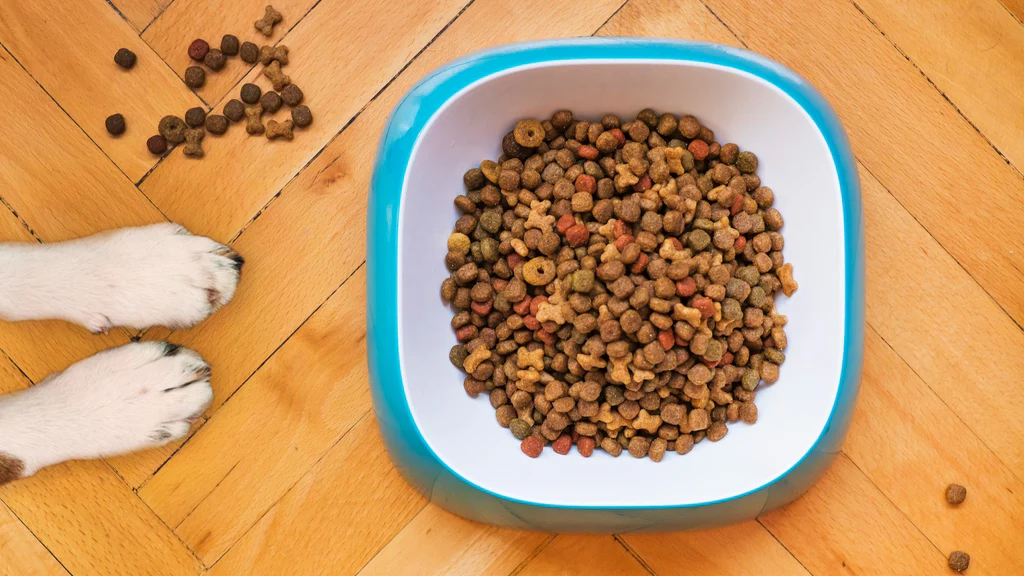
Our company offers support for dog food development and OEM manufacturing in Thailand.
Of course, we can develop OEM dog food and cat food using novel proteins such as catfish, as introduced above. In addition, there are many other advantages to OEM manufacturing in Thailand, which we introduce below.
A Proven Track Record as a Major Pet Food Exporter
According to the Thai Pet Food Trade Association (TPFA), Thailand’s pet food exports in 2021 increased by 27% year on year to more than 65 billion baht, making Thailand the world’s third-largest pet food exporter.
The top five destinations for Thai pet food exports are the United States, Japan, Italy, Malaysia, and Australia. Demand for Thai pet food is also increasing in Asian countries such as India, Indonesia, and Laos.
This steady growth continued, and as of July 2022, Thai pet food exports had already increased by 43% year on year, showing even further acceleration.
According to Dr. Chanintr Chalisarapong, Chairman of the TPFA, Thailand’s long experience in producing canned tuna for human consumption—about 20% of the world’s canned tuna is produced in Thailand—has also contributed to the expansion of wet pet food manufacturing. As a result, wet food production in Thailand has become increasingly active.
Easy Access to High-Quality Ingredients
About 95% of the ingredients used in Thai pet food production, including fresh, high-quality meat, grains, and seafood, are sourced locally. This has further strengthened the country’s production capacity and success in global trade.
One reason for this is that Thailand has a diverse climate and landscape, allowing for the production of a wide range of agricultural products such as grains, vegetables, and fruits.
In addition, Thailand has a strong livestock industry, making it possible to obtain fresh, high-quality meat suitable for human consumption. Because Thailand is also surrounded by the sea, abundant seafood resources suitable for human consumption are also available for use in pet food.
Cost Advantages
Thailand is known for its relatively low production costs. Compared with Japan and Western countries, labor costs are lower and raw materials are easier to procure.
This is a highly attractive point for companies planning to develop new pet food products. Lower manufacturing costs help keep product prices competitive and strengthen a product’s position in the market.
Frequently Asked Questions
- QCan products be manufactured exactly according to our desired recipe?
- QWhat about the quality of ingredients used in Thai OEM manufacturing?
- QWhat manufacturing facilities do Thai OEM partners have?
- QHow is quality control managed in Thailand?
- QHow long does it take from inquiry to product completion?
- QHow long does it take from order placement to delivery?
Inquiries and Consultation

Please feel free to contact us with any questions or inquiries regarding our OEM support services.
How to Contact Us
Phone: +66 (0)61-457-4310
Speak directly with our representative for fast and efficient assistance.
Email:
Send your inquiry to our representative via email. We will respond with detailed information tailored to your needs.
Information to Prepare Before Consultation
After your inquiry, we will conduct a detailed consultation based on your interests and requirements. Please be prepared to share the following:
- Project overview
Details about the product you wish to develop and the project’s objectives. - Requirements and preferences
Specific product requirements, preferences, and budget considerations. - Schedule
Target timeline for product completion.
We value close communication with our c