

 Shun Nagai
Interest in insect-based pet food is growing rapidly. It is being recognized as an innovative option for pet health, with a wide range of benefits. Compared with conventional pet food, insect-derived formulas are known for their lower environmental impact as well as their rich protein and nutritional value.
In this article, we explore the key reasons for choosing insect-based pet food and the health benefits it can offer. We will also explain the nutritional advantages of insect-derived ingredients, how they may support pet health, and how OEM manufacturing can help bring these benefits to market.
What Is Insect-Based Pet Food?
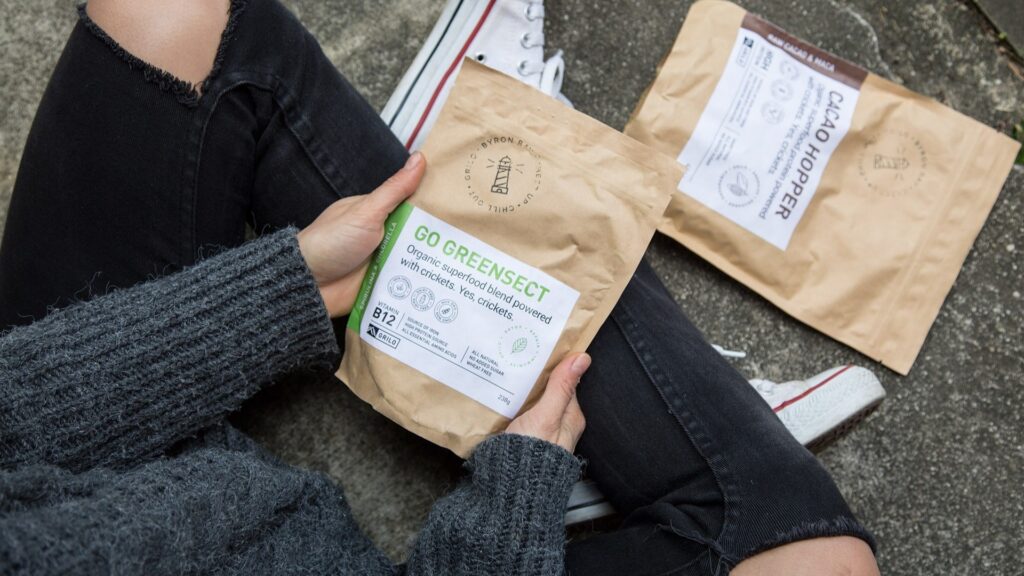
Insect-based pet food refers to pet food made from insects that dogs and cats can digest, such as black soldier fly larvae and crickets, or food that contains insect-derived ingredients. Although the market is still relatively small, it is gradually expanding in Europe and the United States, including insect-based dog food, cat food, and pet treats.
Do Wild Dogs Intentionally Eat Insects?
According to some studies, mammals such as dogs and cats have been reported to intentionally consume insects. It may be that wild dogs instinctively recognize insects as a valuable source of protein and fatty acids.
Reasons to Choose Insect-Based Pet Food

Supporting a More Sustainable Society
For environmentally conscious pet owners, insect-based pet food is an appealing option. Traditional livestock farming requires enormous amounts of energy, water, and land. There are also serious concerns related to animal welfare and environmental pollution.
In contrast, insect farming can be carried out more ethically and with far fewer resources. It produces little methane or ammonia, both of which contribute to environmental pollution, and it does not require hormones or antibiotics. This is one of the key reasons insect-based pet food is seen as a sustainable choice.
A Hypoallergenic Novel Protein Source
Food allergies and intolerances are major challenges in today’s pet food industry. When dogs or cats react to conventional animal proteins, plant protein may appear to be the only remaining option.
However, cats in particular cannot survive on plant protein alone. This is because they have a high requirement for sulfur-containing amino acids such as methionine and cystine, which may be insufficient if plant protein becomes the main protein source.
For this reason, dogs and cats often need diets based on novel proteins such as venison or duck, or on hydrolyzed protein. While many dog and cat foods designed for food sensitivities are already available, insect-based pet food offers pet owners another promising alternative.
Rich in Nutrients
Insects are not only a high-quality protein source, but also contain fatty acids, vitamins, and minerals. The nutritional profile varies depending on the insect species.
- High-Quality Protein
Insect protein is an excellent protein source and provides all essential amino acids needed for the production and function of immune cells. - Omega Fatty Acids
Many insects contain omega-3 and omega-6 fatty acids, which have anti-inflammatory properties and help support overall immune health. - Vitamins and Minerals
Insect protein is rich in essential vitamins such as B vitamins and minerals such as iron and zinc, all of which play important roles in immune function.
According to the Food and Agriculture Organization of the United Nations, the nutritional value of insects is comparable to that of other meat sources such as chicken, beef, pork, and fish.
Health Benefits of Insect-Based Pet Food
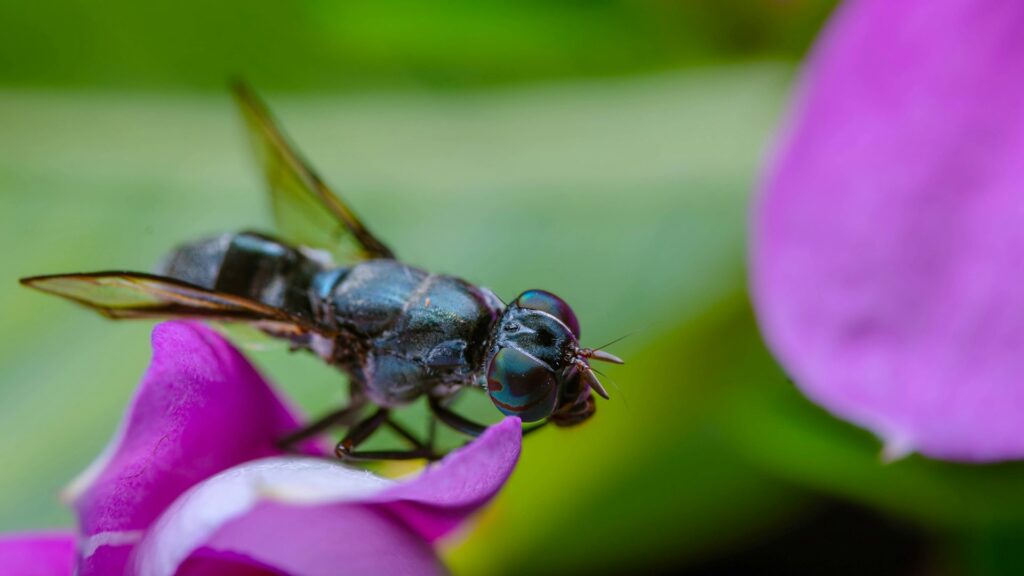
Helping Maintain a Healthy Gut Microbiota
Insect protein contains forms of fiber such as chitin, which differ from the dietary fiber found in fruits and vegetables. This type of fiber may promote the growth of beneficial bacteria, or probiotics.
Probiotics are live beneficial bacteria that naturally exist in the digestive tract and other parts of the body. The purpose of consuming probiotics is to maintain a healthy balance of these beneficial bacteria. As with humans, probiotics are often given to dogs after illness or antibiotic treatment.
Many dogs, especially those with chronic issues, may benefit from probiotics on a more regular basis. However, because probiotics are living bacteria, they often require refrigerated storage, which can make them more difficult to incorporate into daily feeding.
Edible crickets are said to be rich in prebiotic fiber, which helps stimulate the growth of beneficial bacteria.
What Are Prebiotics?
Prebiotics are dietary fibers that serve as food for beneficial gut bacteria, or probiotics. These fibers are not digested but instead reach the intestines, where they ferment and produce short-chain fatty acids.
These short-chain fatty acids suppress the growth of harmful bacteria while encouraging the growth of beneficial bacteria, helping improve the balance of the gut microbiota.
They also serve as an energy source for intestinal cells and help maintain the electrolyte and fluid balance necessary for normal intestinal function in dogs.
Stronger Immune Support Through Antimicrobial Peptides
One of the standout characteristics of insect protein is its richness in antimicrobial peptides. These peptides play an important role in helping insects resist microorganisms. When dogs consume these compounds, they may provide strong antimicrobial effects and help support the immune response against harmful bacteria and viruses.
Anne Carlson, founder of the insect-based pet food company Jiminy’s, has said:
“Insects live in very harsh environments in the wild. For example, they feed on animal feces and decaying carcasses. To survive in those conditions, they have developed incredibly strong immune systems.”
When dogs and cats eat pet food containing black soldier fly larvae, they may also ingest these antimicrobial peptides. These peptides are also believed to be heat-stable, meaning their properties may be retained even after thermal processing during pet food manufacturing.
Helping Reduce Bad Breath and Periodontal Disease
Black soldier fly larvae contain medium-chain fatty acids, which may help suppress oral bacteria associated with periodontal disease and volatile sulfur compounds. In addition, insect protein may help improve bad breath in dogs by reducing harmful bacteria in the mouth while promoting beneficial bacteria.
An experiment has suggested a link between beneficial oral bacteria and the prevention of gingivitis and periodontal disease in dogs. In the study, multiple evaluators assessed dogs’ breath by smelling from a distance of 2 centimeters and rating it on a five-point scale. The results reportedly showed that dogs fed food made with black soldier fly had almost odorless breath.
Lauric Acid for Better Brain Health
One of the notable components of black soldier fly larvae is lauric acid, a medium-chain fatty acid associated with several health benefits. Lauric acid has attracted attention for its antiviral properties and its potential to support brain function.
When consumed, lauric acid is converted in the body into monolaurin, a compound believed to help fight pathogens and support overall immune health. More specifically, lauric acid may offer the following benefits for cognitive health in dogs.
- Anti-Inflammatory Effects
Chronic inflammation can negatively affect the canine brain and contribute to cognitive decline. Lauric acid may help protect neurons and support overall brain health through its anti-inflammatory properties. - Antioxidant Effects
Black soldier fly larvae have also been shown to have antioxidant properties. Antioxidants help remove reactive oxygen species from the body and may contribute to slowing aging and preventing disease. - An Energy Source for the Brain
Medium-chain fatty acids such as lauric acid can be converted into ketones, which serve as an energy source for the brain. This energy production may help improve overall cognitive function in dogs.
OEM Manufacturing of Insect-Based Pet Food in Thailand
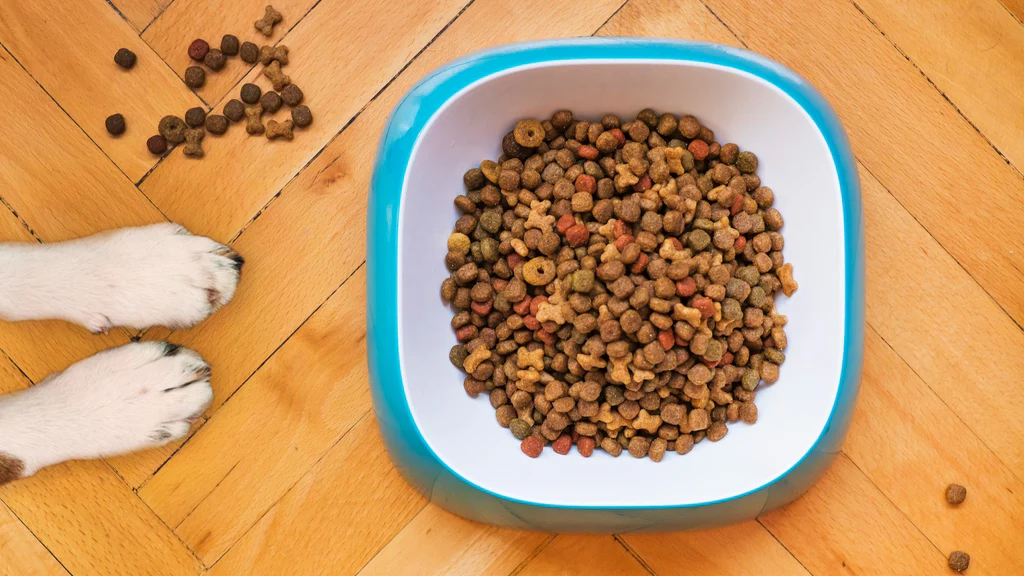
Our company provides support for dog food development and OEM manufacturing in Thailand.
Of course, we can also assist with OEM development of dog food and cat food made with insect protein, as introduced above. In addition, Thailand offers many other advantages for OEM production, as outlined below.
Strong Track Record as a Major Pet Food Exporter
According to the Thai Pet Food Trade Association (TPFA), Thailand’s pet food exports in 2021 increased by 27% year on year to more than 65 billion baht, making the country the world’s third-largest pet food exporter.
The top five export destinations for Thai pet food are the United States, Japan, Italy, Malaysia, and Australia. Demand for Thai-made pet food is also growing in Asian countries such as India, Indonesia, and Laos.
Thailand’s pet food export growth continued steadily, and as of July 2022 had already increased by 43% year on year, showing further acceleration.
According to Dr. Chanintr Chalisarapong, chairman of the TPFA, Thailand’s long experience in canned tuna production for human consumption—accounting for around one-fifth of the world’s canned tuna output—has also contributed to the expansion of wet pet food manufacturing in the country.
Easy Access to High-Quality Raw Materials
Around 95% of the raw materials used in Thai pet food production—including fresh, high-quality meat, grains, and seafood—are sourced locally, which has further supported the country’s production capacity and export success.
Thailand’s diverse climate and geography allow it to produce a wide variety of agricultural products, including grains, vegetables, and fruits.
In addition, Thailand has a strong livestock industry, making fresh, high-quality, human-grade meat readily available. Its coastal geography also provides abundant human-grade seafood resources that can be used in pet food manufacturing.
Cost Advantages
Thailand is known for its relatively low production costs. Compared with Japan and Western countries, labor costs are lower and raw materials are easier to source.
This is especially attractive for companies looking to develop new pet food products. Lower manufacturing costs can help keep product prices competitive and improve market positioning.
Frequently Asked Questions
- QCan you manufacture a product according to our desired recipe?
- QWhat about the quality of ingredients used in Thailand OEM manufacturing?
- QWhat kind of manufacturing equipment do your Thailand OEM partners have?
- QHow is quality control managed in Thailand?
- QHow long does it take from inquiry to completion of the final product?
- QHow long does it take from order placement to delivery?
Contact and Consultation

Please feel free to contact us with any questions or inquiries regarding our OEM support services.
How to Contact Us
Phone: +66 (0)61-457-4310
You can call our representative directly. Phone inquiries allow us to respond quickly and provide the information you need without delay.
Email:
You can also send an inquiry by email to our representative. We will provide detailed answers to your questions and requests.
Information We Would Like You to Prepare
After receiving your inquiry, we will discuss the details based on your interests and needs. At that stage, we may ask about the following points.
- Project Overview
Please tell us about the product you would like to develop and the purpose of your project. - Requirements and Preferences
If you can share your product requirements, preferences, and budget, we will be able to provide a more specific proposal. - Schedule
Please let us know your target timeline for completing the product.
We value close communication with our clients and are committed to providing maximum support for the success of each project.