

 Shun Nagai
Choosing the right pet food is directly linked to the health and happiness of beloved pets. For that reason, companies looking to create original pet food products must understand the four essential elements before starting OEM manufacturing: protein, carbohydrates, fat, and palatability, which is necessary to ensure pets will continue eating the food over time.
In addition, to create original pet food that promotes healthy eating habits and delivers the nutrients pets need, it is essential to use high-quality ingredients and clearly indicate this information on the packaging. In this article, we will explain the key elements of pet food OEM manufacturing, from formulation to packaging.
Types of Ingredients in Pet Food
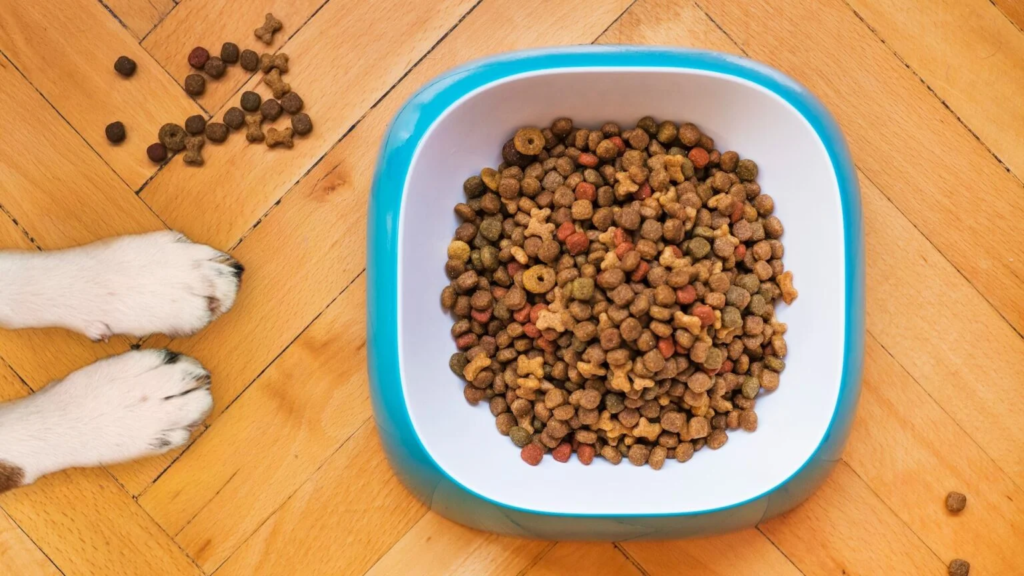
Pet food ingredients fall into two categories: primary ingredients and secondary ingredients. Primary ingredients are usually listed near the top of the ingredient list and are animal- or plant-based materials that provide protein, carbohydrates, and other important nutrients. Secondary ingredients come afterward and typically provide minerals, vitamins, and other nutrients.
This does not mean that primary ingredients are more important than secondary ingredients. However, pet food manufacturers often have a clearer idea of what they want to use as primary ingredients than what they want to use as secondary ingredients.
For example, many manufacturers may consider a novel protein such as horse meat as a key point of product differentiation, but they may not yet have a clear understanding of which secondary ingredients should be combined with that protein. However, knowledge of these secondary ingredients is also essential in order to create a balanced pet food product.
This is because if the proportions of essential vitamins and minerals in the secondary ingredients are incorrect, they may be harmful to pets. That is why accurate formulation is critical, and why it is so important to work with a reliable pet food OEM manufacturer.
4 Essential Nutritional Elements Every Manufacturer Should Understand
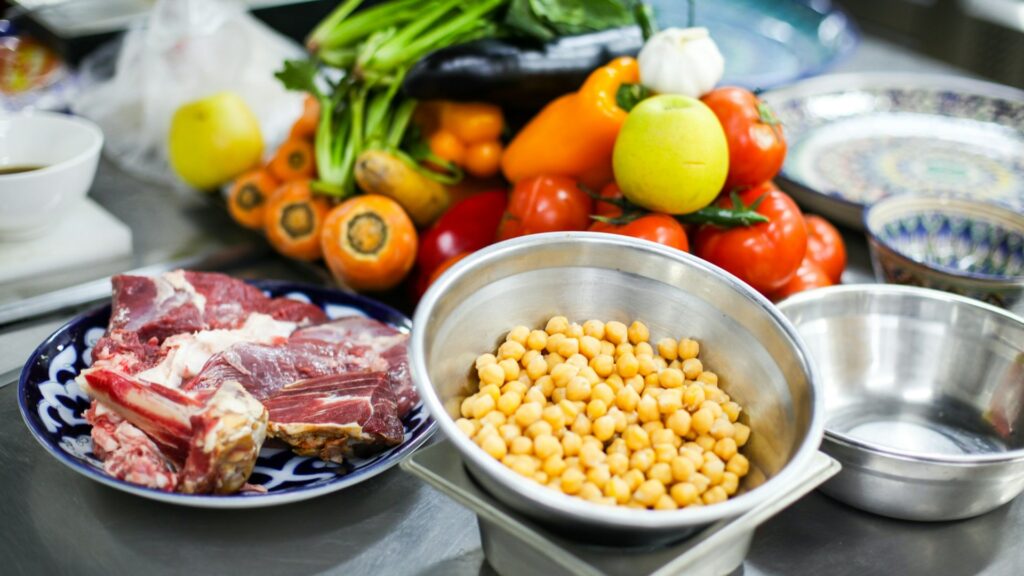
Pet food formulas must be designed with the nutritional needs of dogs and cats at different life stages in mind. To do so, the following four essential elements are especially important.
Protein: Essential for Life
Protein is indispensable for all living organisms and functions as a nutrient that supports normal body functions and promotes growth. Pet food contains a wide variety of protein sources. Representative examples include the following:
- Meat meal:
Rendered meat and skin that have been dried and ground into powder.
Does not include blood, hair, hooves, horns, hide trimmings, manure, stomach contents, or rumen contents. - Meat by-products:
Lungs, spleen, kidneys, brain, liver, blood, bone, partially defatted low-temperature fatty tissue, and stomachs or intestines without their contents.
Does not include hair, horns, teeth, or hooves. - Plant proteins:
- Protein extracted from ingredients such as soybeans or corn using proprietary processing methods.
Animal protein is the most common type of protein used in pet food. Typical meat sources include chicken, turkey, and beef. Novel proteins may include kangaroo, rabbit, horse, and venison.
Carbohydrates: A Source of Energy
Carbohydrates provide animals with energy and dietary fiber. Common carbohydrate sources include rice and potatoes. However, novel carbohydrate sources such as sweet potatoes, millet, and quinoa can also be used.
Fat: Important for Palatability and Health
Fat is one of the most important energy sources for pets. It provides essential fatty acids such as omega-3 and omega-6, which cannot be produced naturally in the body, and it also improves the palatability of pet food. In addition, fat contributes to healthy skin and coat, digestion, and body temperature regulation. Examples include:
- Animal fats derived from chicken, beef, or pork
- Coconut oil
- Fish oil
- Glycerin
- Plant oils such as canola oil and flaxseed oil
Additives: What Create Uniqueness
Additives are micronutrient ingredients that provide minerals and vitamins. There are thousands of functional additives available, ranging from common ingredients such as carrots to green-lipped mussels. Other examples include:
- Blueberries and cranberries
- Kale
- Coconut oil
By combining these proteins, carbohydrates, fats, and additives, it becomes possible to create pet food containing the appropriate essential nutrients, including amino acids, fatty acids, vitamins, and minerals. The ingredients that supply these nutrients range from basic to highly novel options. The choice of ingredients has a major impact on the final pet food formula.
The Importance of Palatability and How to Improve It
To increase satisfaction among both pets and pet owners, manufacturers must also pay close attention to palatability. It may seem that if a pet food is highly nutritious, it will naturally be welcomed by many pets and owners. However, that is not always the case.
Even if pet owners purchase a nutritionally rich pet food, they are unlikely to keep buying it if their pets reject it because of poor palatability or simply refuse to continue eating it. In other words, palatability plays an important role in helping pets enjoy their meals, develop healthy eating habits, and consume the nutrients they need.
For this reason, pet food must be designed not only to be nutritionally sound but also to be appealing in taste and aroma. So how can palatability be improved? Highly palatable pet food formulas use a wide range of ingredients and components. Below are several ways to improve palatability.
Hydrolyzed Protein
Hydrolyzed protein is one of the most commonly used palatability enhancers in the pet food industry.
According to AAFCO, hydrolyzed protein is defined as an ingredient produced by hydrolyzing animal protein using enzymes. Animal protein used for this purpose does not include hair, horns, teeth, hooves, or feathers.
In pigs and cattle, ingredients may include healthy lungs, spleen, kidneys, brain, liver, blood, stomach, and intestines. In poultry, ingredients may include liver, heart, head, feet, and viscera.
Hydrolyzed protein provides pet food with a fresh-meat-like aroma, making it more attractive to pets. In addition, fatty acids and amino acids formed through reactions with reducing sugars create roasted, meaty flavors through the Maillard reaction.
Palatants (Flavorings and Seasonings)
Palatants are substances added to pet food to improve its taste and aroma, making the food more attractive and encouraging pets to enjoy eating it.
They are carefully formulated to stimulate the senses of dogs, cats, and other pets, thereby increasing appetite. Palatants are typically derived from natural ingredients and are designed to mimic the flavors pets instinctively crave, such as those from meat, poultry, fish, or plant materials.
Palatants do more than simply make pet food taste better. They also help ensure that pets enjoy their meals and consume the nutrients they need. A lack of palatability can lead to picky eating, food aversion, and nutritional deficiencies.
By using these flavorings and seasonings to improve palatability, pet food manufacturers can increase sales, encourage consistent consumption, and support the overall health and well-being of pets.
Types of Palatants
| Type | Description |
|---|---|
| Meat-based | Meat-based flavorings and seasonings derived from high-quality ingredients such as beef and lamb deliver the savory taste pets love. They are rich in protein and amino acids and can contribute to the overall nutritional value of the food. |
| Chicken-based | Flavorings and seasonings made from chicken, turkey, and other poultry are popular choices among pet food manufacturers because of their strong palatability and high nutritional value. They provide familiar flavors that dogs and cats readily accept. |
| Fish-based | Flavorings and seasonings derived from salmon, tuna, and white fish can appeal to many pets. They are rich in omega-3 fatty acids and protein, offering both appetite-enhancing and nutritional benefits. |
| Plant-based | While most flavorings and seasonings are animal-derived, plant-based options also exist. Ingredients such as grains, vegetables, and fruits can be used to create palatants aimed at vegetarian or vegan pet products. |
Plasma
The protein composition of plasma has properties that help create the distinctive texture of wet pet food. Achieving the right texture is an important factor in improving palatability.
Plasma proteins, such as albumin, globulin, and fibrinogen, make it possible to create a stable and dense structure during wet food production, resulting in a texture that improves palatability for pets. Unlike additives such as carrageenan, which are often used as thickeners, plasma not only improves texture but also provides valuable nutrients to wet food.
It has also been shown to have superior water-holding capacity compared with ingredients such as wheat gluten, which further enhances texture and has made plasma an increasingly attractive additive for premium pet food. As a result, it can significantly improve palatability for both cats and dogs.
Amino Acids (Lysine / Methionine)
The amino acid lysine, along with other amino acids such as tyrosine, arginine, and tryptophan, has been widely studied as a palatability enhancer not only in human food but also in pet food.
According to U.S. Patent No. 4,267,195, coating the surface of dry dog food with L-lysine at a ratio of 0.1 to 500 mM may improve flavor while also helping meet dogs’ nutritional requirements for protein, carbohydrates, vitamins, and minerals.
Another U.S. patent (No. 4,282,254) found that using combinations of amino acids such as L-phenylalanine, L-tyrosine, L-methionine, L-tryptophan, L-arginine, L-leucine, L-isoleucine, and L-serine at levels of 0.001% to 0.8% may enhance flavor.
It has also been reported that using L-methionine at 0.005% to 0.5% of the total weight of the pet food can improve the flavor of dry and semi-moist pet food.
Maillard Reaction Products
Maillard reaction products play an important role in flavoring pet food. In the early stages of the Maillard reaction, reducing sugars (carbonyl groups) and amino compounds (amino acids) condense under the influence of high heat, or even under low temperature, low pH, and low water activity (aw) conditions.
These condensation products are further broken down and interact with other reactive compounds such as amines, ammonia, hydrogen sulfide, and aldehydes, producing oxygenated compounds. As a result, flavor compounds such as furans, pyrazines, esters, and thiophenes are generated.
During the pet food manufacturing process, high-temperature heat treatment can trigger the Maillard reaction, thereby improving palatability.
Lipids (Fats and Fatty Acids)
Lipids provide essential fatty acids such as omega-3 and omega-6, which cannot be naturally synthesized in the body, and they also enhance palatability. For example, fat extracts from ingredients such as chicken, beef, and lamb contain distinctive aromas that pets find highly appealing.
However, care is needed, because the use of such lipids may increase oxidation in pet food, especially when fat levels are high (for example, 10% or more). From the standpoint of maintaining nutritional value and ensuring long shelf life, chemical antioxidants may therefore sometimes be added.
Use High-Quality Ingredients
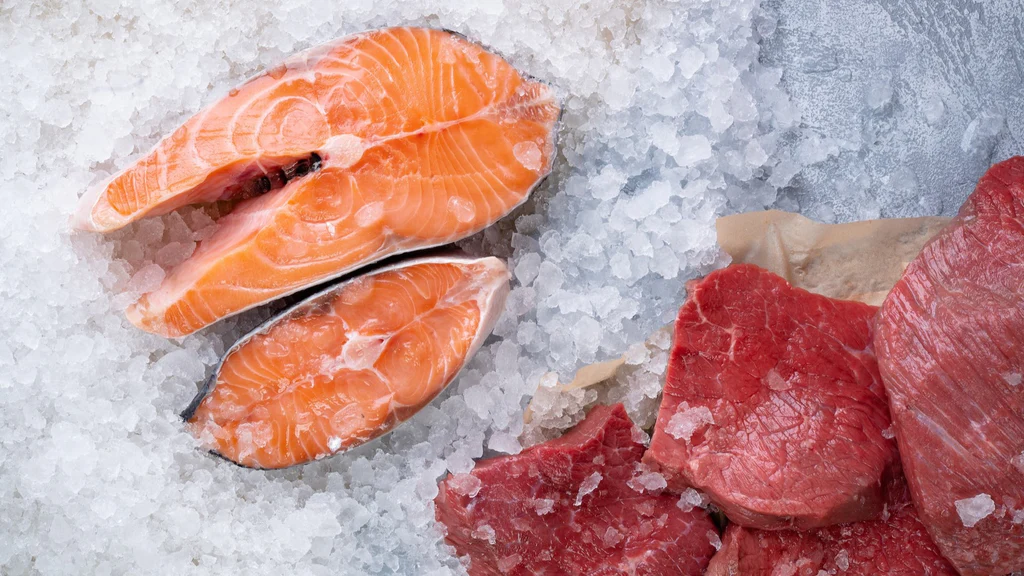
To make pet food using high-quality ingredients, it is necessary to partner with a trustworthy pet food OEM manufacturer. Selecting ingredients from scratch, securing them at appropriate prices, and then manufacturing pet food on your own is extremely difficult.
Reliable OEM manufacturers already have established ways to source virtually all types of ingredients, from standard materials to premium ingredients, in a reliable and cost-effective manner.
Our company introduces suitable OEM manufacturers in Thailand according to each client’s needs, and there are several reasons why high-quality ingredients can be secured in Thailand.
Proven Track Record as a Major Pet Food Exporter
According to the Thai Pet Food Trade Association (TPFA), Thailand’s pet food exports exceeded 65 billion baht in 2021, up 27% year on year, making the country the world’s third-largest exporter of pet food.
The top five export destinations for Thai pet food are the United States, Japan, Italy, Malaysia, and Australia. Demand for Thai pet food is also increasing in Asian countries such as India, Indonesia, and Laos.
This steady growth in Thai pet food exports accelerated further in 2022, with exports already up 43% year on year as of July.
According to Dr. Chanintr Chalisarapong, Chairman of the TPFA, Thailand’s long-standing experience in canned tuna production for human consumption—roughly one-fifth of the world’s canned tuna is produced in Thailand—has also contributed to the expansion of wet pet food manufacturing, and wet food production in Thailand is becoming increasingly active.
Because Thailand has one of the world’s leading pet food industries, manufacturers are able to source a wide range of ingredients to meet the needs of brands in different countries, from standard ingredients to premium raw materials.
Easy Access to High-Quality Ingredients
About 95% of the raw materials used in Thai pet food production—such as fresh, high-quality meat, grains, and seafood—are sourced locally, which further supports the country’s production strength and success in global trade.
This is because Thailand has a diverse climate and varied land conditions, allowing it to produce a wide range of agricultural products, including grains, vegetables, and fruit.
In addition, Thailand has a strong livestock industry, making it possible to obtain fresh, high-quality meat suitable for human consumption. Since the country is also surrounded by the sea, abundant seafood resources suitable for human consumption are likewise used in pet food production.
How to Label the Packaging
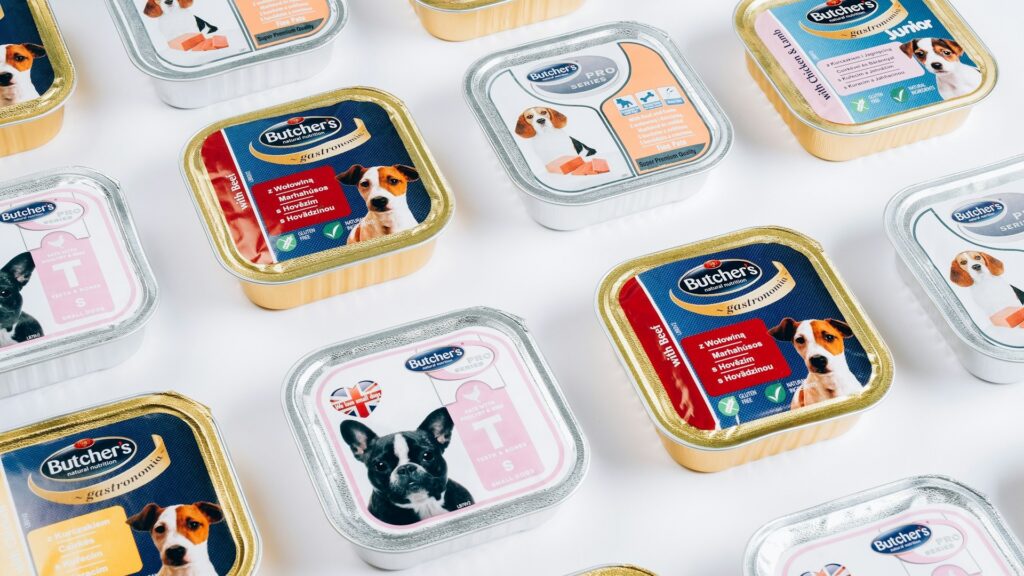
In Japan, there are two main standards governing pet food labeling. One is the standard under the Pet Food Safety Act, and the other is the Fair Competition Code Concerning Labeling of Pet Food established by the Pet Food Fair Trade Council.
The Pet Food Safety Act stipulates five required labeling items, while the Fair Competition Code adds four more. Together, these make up the nine required labeling items for pet food in Japan.
Product Name
This refers to the product name itself, but it must be labeled in a way that clearly indicates whether the product is for dogs or cats.
If it is difficult to tell from the product name alone whether the food is for dogs or cats, it is necessary either to state “for dogs” or “for cats” alongside the product name, or to include a description in the information panel such as “complete and balanced nutrition for adult dogs.”
Best-Before Date
This should be labeled as “Best Before” and shown by year/month/day or year/month.
Example: 2025 08
This date must be established based on scientific and rational grounds.
Ingredient List
This should be labeled as “Ingredients” or “Ingredient List,” and in principle all ingredients used, including additives, must be listed.
If sweeteners, colorings, preservatives, stabilizers/thickeners, antioxidants, or curing agents are used as additives, both the additive name and its function must be stated.
The Pet Food Safety Act does not specifically prescribe the order in which ingredients must be listed. However, from the standpoint of providing appropriate information to consumers, it is generally preferable to list them in descending order by weight.
Country of Origin
This should be labeled as “Country of Origin” and should indicate the country where the final substantial processing was completed. If the country of origin is Japan, it may simply be labeled as “Made in Japan.”
Name and Address of the Business Operator
The label must state the business category—manufacturer, importer, or distributor—and include the company name and address.
Guaranteed Analysis
The percentages by weight of crude protein, crude fat, crude fiber, crude ash, and moisture must be listed to clearly indicate that the product meets specific nutritional standards.
Nutritional Adequacy Statement
The label must indicate whether the pet food is complete and balanced for a specific life stage—such as gestation/lactation, growth, or all life stages—or whether it should be used only as a supplemental product.
Net Weight
The contents of the bag should be stated by weight and volume.
Calorie Statement and Feeding Guidelines
The packaging should include a calorie statement expressed in kilocalories per kilogram, as well as proper feeding instructions based on the dog’s body weight and recommended daily calorie intake.
Inquiries and Consultation

Through our OEM support service, we provide total support covering ingredient selection, formulation, packaging, and transportation. Finding the right OEM manufacturing partner for your pet food is one of the biggest factors in determining whether your pet food business will succeed.
Please feel free to contact us with any questions or consultations regarding our OEM support services.
How to Contact Us
Phone: +66 (0)61-457-4310
You can speak directly with one of our representatives by phone. Phone inquiries allow us to respond quickly and provide the information you need without delay.
Email:
You may also send your inquiry by email to one of our representatives. We will provide detailed answers to your questions and requests.
Information We Would Like You to Prepare
After receiving your inquiry, we will discuss the details based on your interests and needs. At that time, we will ask about the following:
- Project Overview
Please tell us about the product you would like to develop and the purpose of your project. - Requests and Requirements
If you can share any specific product requirements, preferences, or budget considerations, we will be able to provide a more concrete proposal. - Schedule
Please let us know your target completion date and overall development schedule.
We value close communication with our clients and will provide the maximum possible support to help ensure the success of your project.