

 Shun Nagai
In today’s dog food industry, protein is becoming more important than ever. At the same time, a wide variety of dry dog foods have emerged, from novel proteins to single-animal-protein formulas.
Protein-rich diets have always played an important role in dog food. Going forward, however, as pet owners become increasingly conscious of what they feed their dogs, greater emphasis is expected to be placed on health considerations, protein sources, and protein content.
In this article, we introduce five key trends in the dog food manufacturing industry and provide useful insights to help brands and manufacturers develop protein-focused dog food products that meet consumer demand.
Top 5 Protein Trends
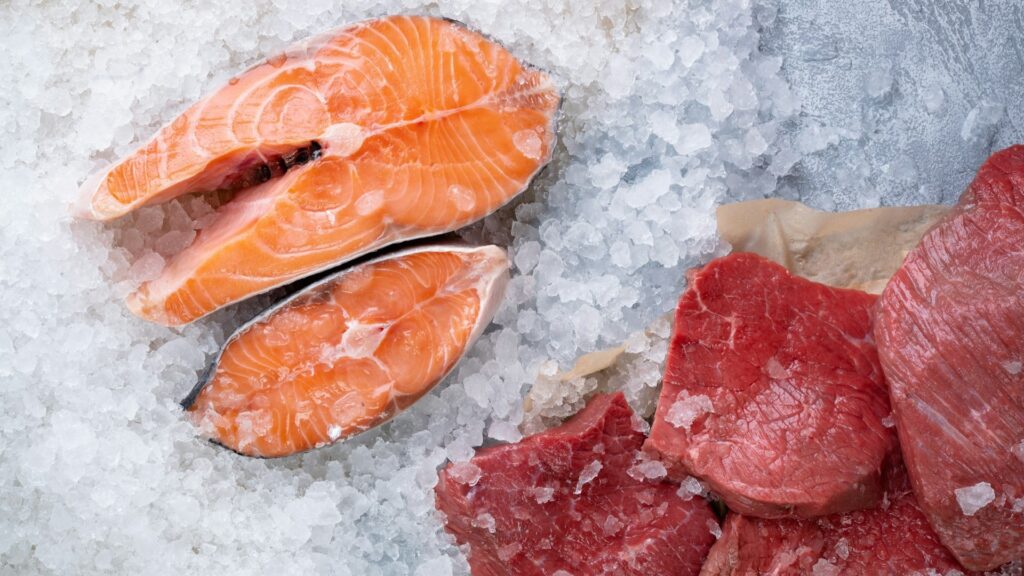
1. Meat as the First Ingredient
In many premium dog foods, meat ingredients are listed first on the ingredient panel. As consumers continue to look for protein-rich dog food that supports their dogs’ health, more manufacturers are increasing the use of higher-quality meat ingredients in their products.
This trend plays a major role in dog food manufacturing because when meat appears at the top of the ingredient list, it carries greater weight as the primary ingredient in the formula and has a stronger impact on the dog’s overall nutrition.
As a result, there has been a growing shift toward using more nutritious fresh meat. In addition, recipes fortified with animal-based high-protein plasma are also attracting increasing attention.
2. Single Animal Protein
Demand for limited-ingredient diets (LID) has been growing in recent years. These formulas are typically built around a single animal protein source. Because they are often used to help manage food allergies or make elimination trials easier, limited-ingredient diets are usually formulated with only one type of animal protein.
That said, a dog food labeled as an LID does not necessarily contain only a single source of protein overall. In most recipes, plant-based proteins from grains, legumes, flaxseed, and other ingredients are also commonly included alongside the animal protein.
Even so, dog food made with a single animal protein is generally formulated so that this source accounts for most of the total protein and calorie content. This trend also affects labeling and packaging, creating opportunities to highlight the single-protein concept as a selling point.
3. High-Protein Formulas
The high-protein trend, which accelerated rapidly around 2019, is expected to continue. Protein is widely recognized by both manufacturers and pet owners as an essential nutritional element because it not only supports muscle and tissue repair, but also helps the body produce hormones, enzymes, and other substances needed for normal function.
Dogs require 20 amino acids to build protein, and these can be found in meat, eggs, dairy products, legumes, and even some grains. According to PetMD, “good-quality dog food will list one or two high-quality protein sources near the top of the ingredient list and contain roughly 20–25% crude protein.”
One important point to note, however, is that the amount of protein a dog needs varies depending on breed, age, and activity level. Puppies, for example, generally require more protein than adult dogs because they are more active.
It is also worth noting that while senior dogs were once thought to need low-protein diets, many in the veterinary field now believe that healthy senior dogs need about as much protein as middle-aged adult dogs.
4. Use of Novel Proteins
When people think of protein sources in dog food, most immediately picture animal proteins such as beef or chicken. However, novel proteins have recently begun to attract growing attention as well.
Novel proteins were originally used mainly in premium pet food, but sources such as duck, rabbit, and wild boar are becoming increasingly popular because of their uniqueness and strong nutritional value. It may not be long before insect protein dog food becomes a common sight on store shelves as well.
Novel proteins offer more than just nutritional richness. Adding alternative protein sources beyond standard beef and chicken into a dog’s rotation may also have positive effects on long-term health and longevity. This is because feeding the same common protein sources continuously may increase the risk of food sensitivities and other issues in some dogs.
5. Ethical and Sustainable Protein Sources
Consumer demand for products produced in ethical and sustainable ways has become a major trend across nearly every industry, and dog food is no exception.
Just as consumers are choosing organic and environmentally friendly foods for themselves, dog owners are increasingly making similar choices for their pets. In the future, demand is expected to grow not only for nutritionally rich protein, but also for protein sourced in a more sustainable way.
In addition, animal welfare practices such as cage-free, free-range, and grass-fed livestock production are becoming more widespread, especially in Europe. These approaches are believed not only to provide animals with more humane living conditions, but also to contribute to higher-quality protein ingredients.
OEM Manufacturing Tailored to Your Needs in Thailand
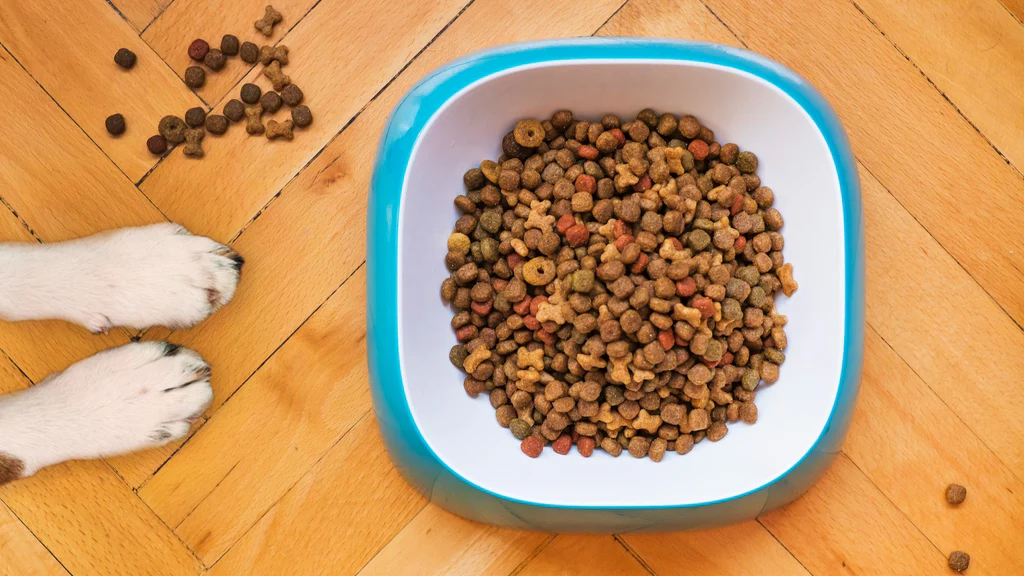
We offer support for dog food development and contract manufacturing (OEM) in Thailand.
Thailand is well positioned to develop OEM dog food products that align with the trends described above. In addition, there are many other advantages to manufacturing in Thailand, as outlined below.
Proven Track Record as a Major Pet Food Exporter
According to the Thai Pet Food Trade Association (TPFA), Thailand’s pet food exports exceeded THB 65 billion in 2021, up 27% year on year, making the country the world’s third-largest pet food exporter.
The top five export destinations for Thai pet food are the United States, Japan, Italy, Malaysia, and Australia. Demand for Thai-made pet food has also been increasing in Asian countries such as India, Indonesia, and Laos.
This steady export growth continued into 2022, with Thai pet food exports already up 43% year on year as of July, indicating even stronger momentum.
According to Dr. Chanintr Chalisarapong, Chairman of the TPFA, Thailand’s long experience in canned tuna production for human consumption—around one-fifth of the world’s canned tuna is produced in Thailand—has also contributed to the expansion of wet pet food manufacturing. As a result, wet food production in Thailand has also been gaining momentum.
Easy Access to High-Quality Ingredients
About 95% of the ingredients used in Thai pet food production—such as fresh, high-quality meat, grains, and seafood—are sourced locally, which has further supported the country’s manufacturing strength and export success.
One reason for this is Thailand’s diverse climate and geography, which allow for the production of a wide range of agricultural products, including grains, vegetables, and fruits.
Thailand also has a strong livestock industry, making it possible to source fresh, high-quality meat suitable for human consumption. In addition, as a coastal country, Thailand has abundant seafood resources, also of human-grade quality, that can be used in pet food.
Cost Advantages
Thailand is widely known for its relatively low production costs. This is due in part to lower labor costs compared with Japan and Western countries, as well as the ease of sourcing raw materials.
This is a highly attractive point for companies looking to develop new pet food products. Lower manufacturing costs can help keep product prices competitive and strengthen a brand’s position in the market.
Frequently Asked Questions
- QCan you manufacture a recipe exactly as requested?
- QWhat is the quality of the raw materials used in OEM manufacturing in Thailand?
- QWhat kind of manufacturing equipment do Thai OEM manufacturers use?
- QHow is quality control managed in Thailand?
- QHow long does it take from inquiry to product completion?
- QHow long does it take from order placement to delivery?
Inquiries and Consultations

Please feel free to contact us with any questions or inquiries regarding our OEM support. We are happy to assist with any matter.
How to contact us
Phone: +66 (0)61-457-4310
You can call our staff directly.
Email:
Please send an inquiry email to our representative. We will respond with detailed answers to your questions and requests.
Information to Prepare Before Contacting Us
After you contact us, we will hold a detailed discussion based on your interests and needs. At that time, we will ask about the following:
- Project overview
Please share the purpose and outline of the product or project you want to develop. - Requirements and preferences
If you can tell us your desired specifications and budget, we can provide more concrete proposals. - Schedule
Please let us know your target timeline and desired launch timing.
We value close communication with our clients and will provide maximum support to help ensure your project success.