

 Shun Nagai
The bodies of dogs and cats naturally produce oxidative byproducts called free radicals as part of the energy-making process. When free radicals build up excessively, they can damage cells and may contribute to aging and disease.
This is where antioxidants play an important role. Vitamins, omega-3 fatty acids, and other antioxidant compounds help protect the body by supporting immune function and helping maintain the health of the heart, eyes, and joints. In this article, we will take a closer look at the types of antioxidants that are important for pets and the benefits they may provide.
Antioxidants and Free Radicals
The term “antioxidants” is often misunderstood as referring to a specific nutrient, but in fact it is a broad term for compounds that help prevent oxidation. So what exactly is oxidation, and why can too much of it be harmful? To understand that, we first need to look at free radicals.
Free radicals are byproducts produced when cells generate energy, but they can also be formed by external factors such as pollution and stress. These free radicals can damage cell membranes as well as important cellular components such as enzymes and DNA, interfering with normal cell function.
Free radicals are especially harmful to cells in the nervous and immune systems. For this reason, they are believed to contribute to the progression of various diseases and to accelerate aging. Put simply, free radicals are like rust forming inside the body—they gradually impair normal bodily functions over time.
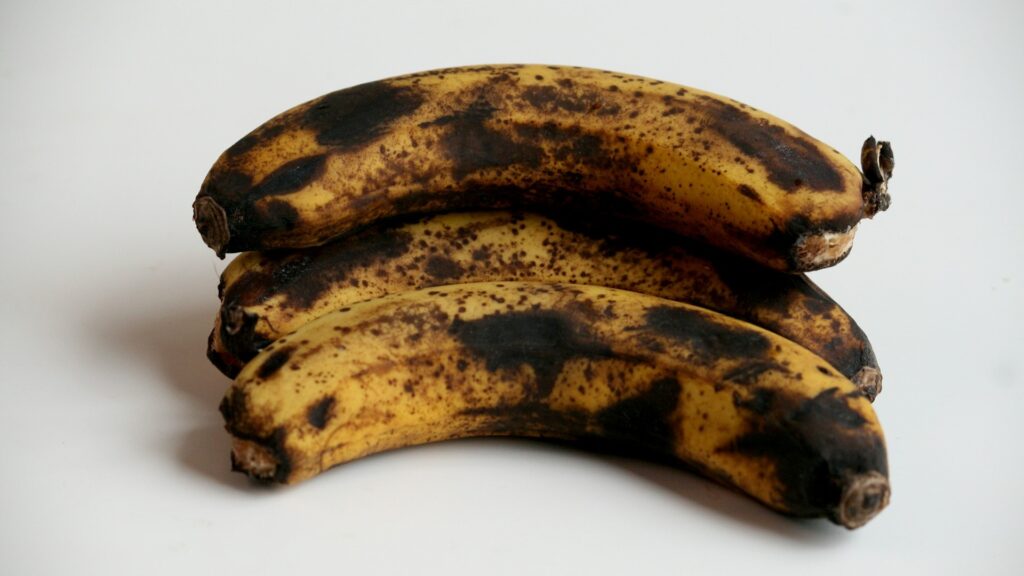
It may sound strange that something involving oxygen could be harmful, but if you think about familiar examples, it makes sense. When a sliced apple or banana turns brown after a few minutes, when old photographs fade, or when road signs begin to rust, those are all everyday examples of oxidation.
What Happens When Antioxidants Are Insufficient

As mentioned above, antioxidants help protect the body from free radicals and oxidative damage. If dogs and cats do not receive enough antioxidants, excessive free radicals may contribute to health problems such as:
- Respiratory disease
- Skin allergies
- Eye problems such as cataracts or blindness
- Immune deficiency and autoimmune disorders
- Cancer
- Arthritis and joint problems
- Heart disease
That said, there is no need to be overly alarmed. Free radicals are naturally produced in the body, and in appropriate amounts they can even serve useful functions. The problem arises when free radical production becomes excessive and causes significant cellular damage.
When free radicals continue to multiply without being kept in check, they can lead to a condition known as oxidative stress. Oxidative stress can damage a pet’s DNA and contribute to disease. This phenomenon is often described as “rust in the body,” caused by an excess of oxidative activity within tissues.
Oxidative stress has been linked to chronic and degenerative conditions such as cancer, autoimmune diseases, aging, cataracts, rheumatoid arthritis, heart attack, and neurodegenerative disorders.
A certain amount of free radicals is normal, but excessive levels can become problematic. The following factors may increase free radical production in the body:
- Air pollution
- Stress
- All medications, including flea and tick treatments
- Industrial chemicals
- Chemical-based pesticides
- Tobacco smoke
- Inflammation
- Radiation (such as X-rays)
- Processed foods
However, the bodies of dogs and cats can naturally produce some antioxidants, and oxidative stress can also be reduced through foods and supplements with high antioxidant value.
Types of Antioxidants and Their Benefits
| Type | Expected Benefits |
|---|---|
| Vitamin C | May help with joint pain, wound healing, energy production, and gum inflammation |
| Vitamin E | Supports the immune system and helps maintain healthy blood vessels |
| Selenium | May help reduce cancer risk, support heart health, and maintain cognitive function |
| Beta-carotene (Vitamin A) | Helps maintain antibody levels and strengthen the immune system |
| Polyphenols | May help prevent diseases such as cancer, cardiovascular disease, osteoporosis, and diabetes |
| Lutein / Zeaxanthin | Helps protect the eyes from damage and supports healthy vision |
| Omega-3 fatty acids | Helps reduce oxidative stress in blood vessels and supports healthy circulation |
| Zinc | Helps activate the antioxidant action of vitamin A and protect against the harmful effects of lipid peroxidation, with potential benefits for anti-aging and lifestyle-related disease prevention |
| Lycopene | May help protect against aging, reduced immune function, cancer, and arteriosclerosis |
Antioxidants such as vitamin A, vitamin C, vitamin E, and selenium help counteract the harmful effects of free radicals. Below is a closer look at some of the specific benefits antioxidants may offer.
Improved Eye Health
Lutein and zeaxanthin, both carotenoids with antioxidant activity, help protect the eyes from damage caused by free radicals and support healthy vision. As a result, they may help reduce the risk of conditions such as glaucoma and cataracts.
Support for Heart Health
Antioxidants help protect the heart and circulatory system from oxidative stress and promote cardiovascular health. Vitamin C and omega-3 fatty acids help reduce oxidative stress in blood vessels and support proper circulation, while selenium helps maintain healthy heart muscle function.
Better Joint Health
Joint problems, especially arthritis, are common in older dogs and cats. Antioxidants such as vitamins C and E can help reduce joint inflammation and oxidative stress. Vitamin C is also essential for the formation of collagen, which serves as a foundation for cartilage and other connective tissues.
Immune System Support
Antioxidants help strengthen the immune system by protecting immune cells from oxidative damage and supporting the production of lymphocytes, a type of white blood cell. A strong immune system helps dogs resist infections and disease.
Anti-Aging Support
Senior dogs and cats may become less efficient at processing free radicals as they age. Antioxidant support may help maintain healthy cells and reduce the risk of chronic disease.
Ingredients That Contain Antioxidants
| Type | Food Sources Rich in Each Antioxidant |
|---|---|
| Vitamin A | Carrots, bell peppers, green beans, eggs, fish |
| Vitamin C | Bell peppers, broccoli, cranberries, raspberries, green beans, potatoes |
| Vitamin E | Spinach, pumpkin, vegetable oils |
| Selenium | Brown rice, bananas, lentils, meat, seafood |
| Beta-carotene (Vitamin A) | Carrots, sweet potatoes, mangoes, pumpkin |
| Polyphenols | Blueberries, turmeric, spinach, apples, pomegranate |
| Lutein / Zeaxanthin | Spinach, kale, egg yolk |
| Omega-3 fatty acids | Flaxseed, salmon |
| Zinc | Broccoli, herbs, meat, seafood, eggs |
| Lycopene | Tomatoes, watermelon, red cabbage |
Antioxidants that are beneficial for dogs and cats are found especially in fruits and vegetables. The bright colors of fruits and vegetables often indicate the presence of antioxidants, so in general, the more vibrant the color, the richer the antioxidant content may be.
Below are five ingredients that are especially recommended as antioxidant sources.
Flaxseed
Flaxseed is also well known as a rich source of dietary fiber and healthy fats. The nutrients found in flaxseed may help reduce the risk of heart disease, cancer, and diabetes.
Kelp (Seaweed)
Kelp contains carotenoids, flavonoids, and alkaloids, all of which can help fight free radicals. It is also rich in iodine, iron, calcium, magnesium, zinc, and vitamins A, B-complex, C, D, and E, which help support the immune system.
Berries
Tart and sweet berries such as blueberries and cranberries contain very high levels of antioxidants. These berries help protect cells from damage and also have anti-inflammatory properties. In addition, they are rich in phytonutrients that may help protect pets from diseases such as cancer.
Spinach
Spinach is rich in nutrients such as vitamins A, C, and K1, as well as calcium, iron, and folate. It may contribute to eye and heart health in pets and may also help with cancer prevention.
Salmon
Salmon is rich in omega-3 fatty acids and astaxanthin. Salmon-based diets can help support the health of the brain, nervous system, heart, skin, and coat.