

 Shun Nagai
In recent years, berries have been gaining attention as a “superfood” ingredient in dog food formulations for their ability to support canine health.
Berries such as blueberries, cranberries, raspberries, and strawberries are rich in vitamins, antioxidants, and dietary fiber, offering a wide range of health benefits including improved immunity, better digestion, and reduced inflammation.
In this article, we take a closer look at the characteristics of each berry and the specific health benefits they can bring when incorporated into dog food recipes.
The Role of Berries in Dog Food
Why Berries Are Gaining Attention
In recent years, the pet food industry has seen growing interest in “functional foods” that help support dogs’ overall health. Among these, berries have drawn particular attention because of their high nutritional value and their potential positive effects on canine well-being.
Berries offer many advantages not only as whole foods but also as ingredients in pet food, making them an efficient way to provide dogs with essential nutrients.
Rich in Antioxidants
Berries are especially known for their high antioxidant content. Antioxidants help neutralize free radicals in the body and protect cells from damage. This can help shield dogs from age-related decline and environmental stressors such as UV exposure and chemical pollutants. Antioxidant activity also contributes to a stronger immune system, supporting disease prevention and recovery.
A Source of Vitamins and Minerals
Berries contain abundant vitamins—especially vitamin C and vitamin K—as well as minerals that are essential for canine health. These nutrients help strengthen the immune system and support healthy bones, skin, and coat. For example, vitamin C promotes collagen production, which is important for joint and skin health.
Improving Nutritional Balance and Supporting Overall Health
Nutritional balance is a key factor in maintaining a dog’s health. Dogs need to consume specific nutrients efficiently, which makes a balanced diet essential. Berries can help improve nutritional balance in the following ways:
Supporting Digestive Health
The dietary fiber found in berries has a positive effect on a dog’s digestive system. Raspberries and blackberries in particular may help promote digestion and improve bowel regularity. Fiber also helps maintain a healthy balance of gut bacteria and supports a healthy intestinal environment.
Strengthening Immunity
Vitamin C and flavonoids, which are abundant in berries, help activate immune cells and support the immune system. As a result, dogs may develop stronger resistance to viruses, bacteria, and other pathogens. Immune support is especially important for senior dogs and dogs recovering from illness.
Maintaining Healthy Skin and Coat
Nutrients found in berries, such as vitamin C, vitamin E, and zinc, play an important role in maintaining healthy skin and coat. These nutrients can improve coat shine and help prevent dryness and skin irritation. Their antioxidant effects may also help slow skin aging.
The Role of Antioxidants
Antioxidants found in berries—including flavonoids, anthocyanins, and polyphenols—help neutralize harmful molecules known as free radicals, protecting cells and tissues from damage.
As a result, the immune system is strengthened, and resistance to disease and infection may improve. Antioxidants may also help slow cellular aging, playing a role in preventing age-related health issues in dogs.
Anti-Inflammatory Effects
Chronic inflammation in a dog’s joints and muscles can lead to arthritis and other forms of pain. Anthocyanins and polyphenols found in berries have anti-inflammatory properties.
These compounds can help support joint health and improve mobility. By reducing inflammation, they may also help relieve discomfort and improve a dog’s overall quality of life.
Cardiovascular Health
Antioxidants can also benefit cardiovascular health. Polyphenols and anthocyanins found in berries help protect vascular endothelial cells and improve circulation.
This may help reduce the risk of heart disease and contribute to more stable blood pressure. Maintaining cardiovascular health is essential for helping dogs live long, healthy lives.
Because of their high nutritional value and wide range of health benefits, berries are attracting attention as important ingredients in dog food. Incorporating berries proactively can be an effective choice in product development for improving nutritional balance and supporting long-term canine health.
Nutritional Value Common to Berries
Berries are rich in nutrients that are highly beneficial to dogs’ health. Of particular note are their vitamin content and antioxidant capacity. Below is a closer look at how these nutrients support canine wellness.
Vitamin C
Berries—especially blueberries and strawberries—are excellent sources of vitamin C. Vitamin C is highly important for canine health, as it supports immune function and provides antioxidant protection. It also promotes collagen synthesis, contributing to the maintenance of healthy skin and joints.
Dogs can produce vitamin C naturally in their bodies, but supplemental intake may still offer additional benefits, especially for senior dogs or dogs under stress.
Vitamin A
Vitamin A plays an important role in vision, skin health, and immune function. Berries are particularly rich in beta-carotene, which is converted into vitamin A in the body.
Vitamin A is necessary for cell growth and repair, and it may also help maintain healthy skin and a glossy coat. In addition, it supports eye health and may help protect against night vision decline and age-related visual deterioration.
Vitamin K
Vitamin K is essential for proper blood clotting and helps prevent excessive bleeding. Berries, especially blackberries and blueberries, are a source of this important vitamin. As a result, they help support healthy blood circulation in dogs.
Vitamin E
Vitamin E is a powerful antioxidant that helps protect cells from aging-related damage. This can support longevity and help maintain healthy skin and coat. Vitamin E also has anti-inflammatory properties, making it beneficial for joint and muscle health.
Minerals (Calcium, Potassium, Magnesium, etc.)
Berries also contain minerals that are important for maintaining healthy bones, muscles, and the nervous system. Calcium is essential for bone formation, potassium plays a key role in heart and muscle function, and magnesium is necessary for energy production and nerve health.
Characteristics and Benefits of Each Berry
Different berries contain different nutrients, each offering unique benefits for canine health. Below is a closer look at the characteristics of some of the most common berries and their specific health effects.
| Berry | Key Benefits | Main Nutritional Highlights |
|---|---|---|
| Blueberry | Supports eye health and cognitive function | Rich in anthocyanins and antioxidants |
| Cranberry | Supports urinary tract health | Contains proanthocyanidins (PACs) |
| Raspberry | Helps support digestion and weight management | High in dietary fiber |
| Blackberry | Supports bone health and immune function | Rich in vitamin C, vitamin K, and antioxidants |
| Strawberry | Promotes healthy skin and coat | Rich in vitamin C and antioxidants |
Blueberries | Supporting Eye Health and Cognitive Function
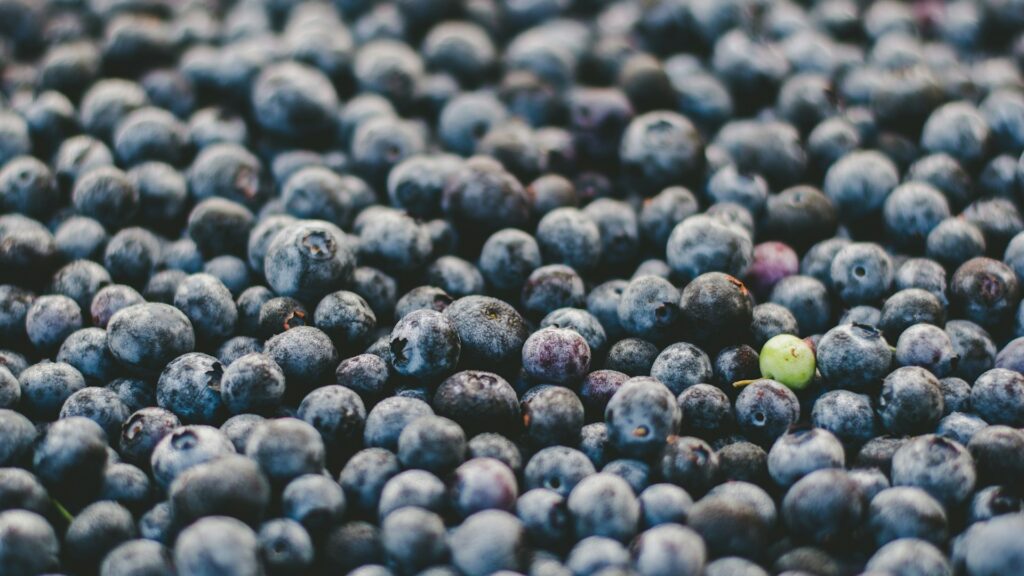
Blueberries are among the most antioxidant-rich berries. In particular, they contain high levels of anthocyanins, a type of polyphenol known for its powerful antioxidant activity.
Eye Health
The anthocyanins in blueberries are believed to support visual function. They are important for maintaining eye health in dogs and may help prevent age-related vision decline and cataracts. Anthocyanins help protect retinal health and support better visual performance.
Cognitive Function
Blueberries have also been shown to have a positive effect on cognitive function. Their antioxidant properties may help protect brain cells from age-related damage and may contribute to the prevention of cognitive decline. For senior dogs, they may help support memory and learning ability while slowing age-related decline in brain function.
Cranberries | Supporting Urinary Tract Health
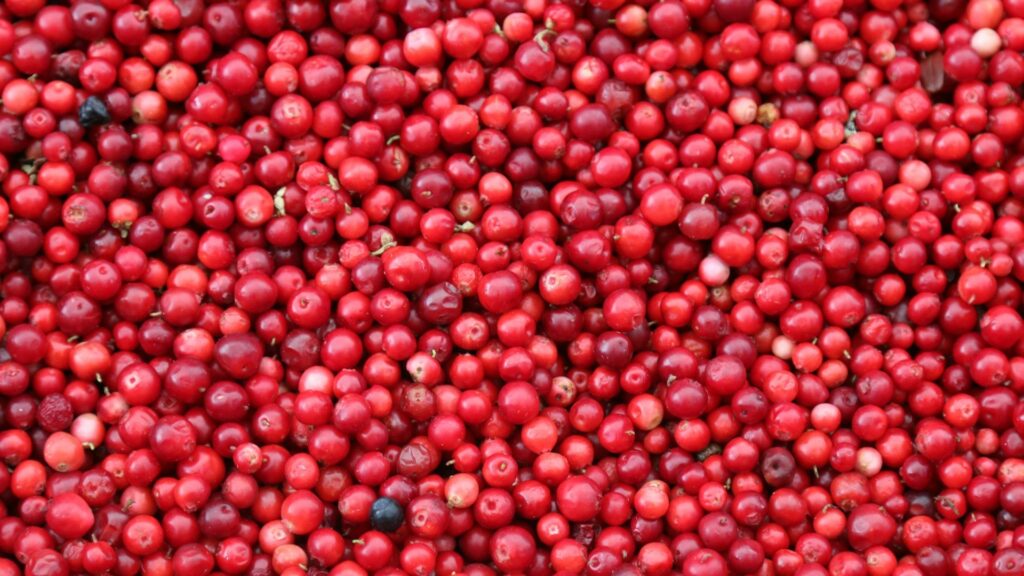
Cranberries are widely recognized for their beneficial effects on urinary tract health. This is largely due to a compound called proanthocyanidins (PACs).
Helping Prevent Bladder Infections
Cranberries help prevent bacteria from adhering to the lining of the bladder and urinary tract. For dogs prone to urinary tract infections (UTIs), they may be especially useful as a preventive ingredient. PACs help block bacterial attachment to the bladder wall and may reduce bladder inflammation.
Supporting Urinary Health
Cranberries may also help regulate urinary pH and support a healthy urinary system. This may contribute to the prevention of urinary stones as well.
Raspberries | Supporting Digestion and Weight Management
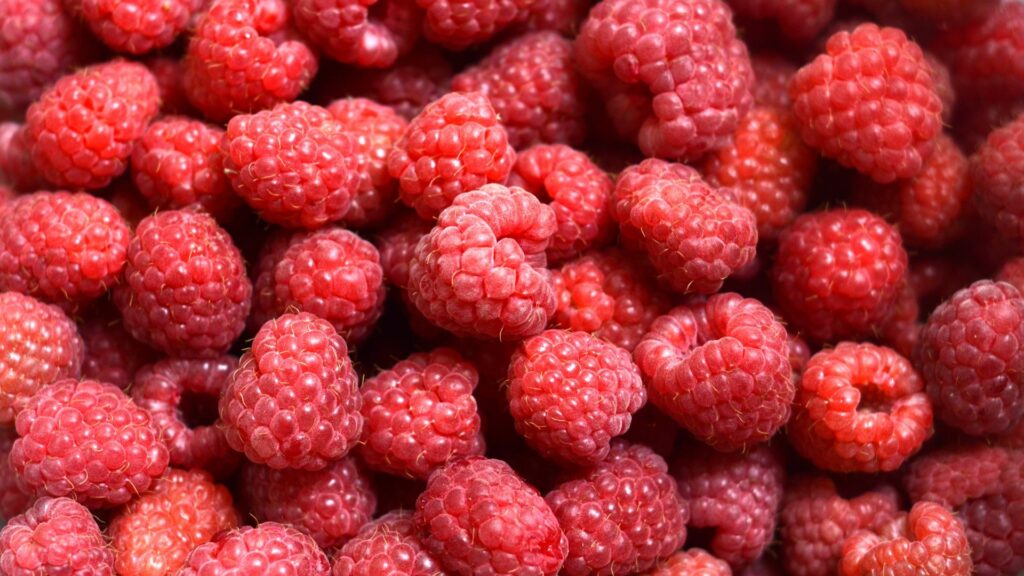
Raspberries are especially rich in dietary fiber, making them beneficial for digestive health.
Digestive Support
The fiber in raspberries can help improve a dog’s digestive function. In particular, it supports intestinal health and promotes smoother bowel movements. Dietary fiber also helps maintain a healthy gut microbiome and may suppress the growth of harmful bacteria.
Weight Management Support
Because fiber helps dogs feel full for longer, it may help prevent overeating and support healthy weight management. For dogs at risk of obesity, incorporating raspberries may help maintain a healthier body weight.
Blackberries | Supporting Bones and the Immune System
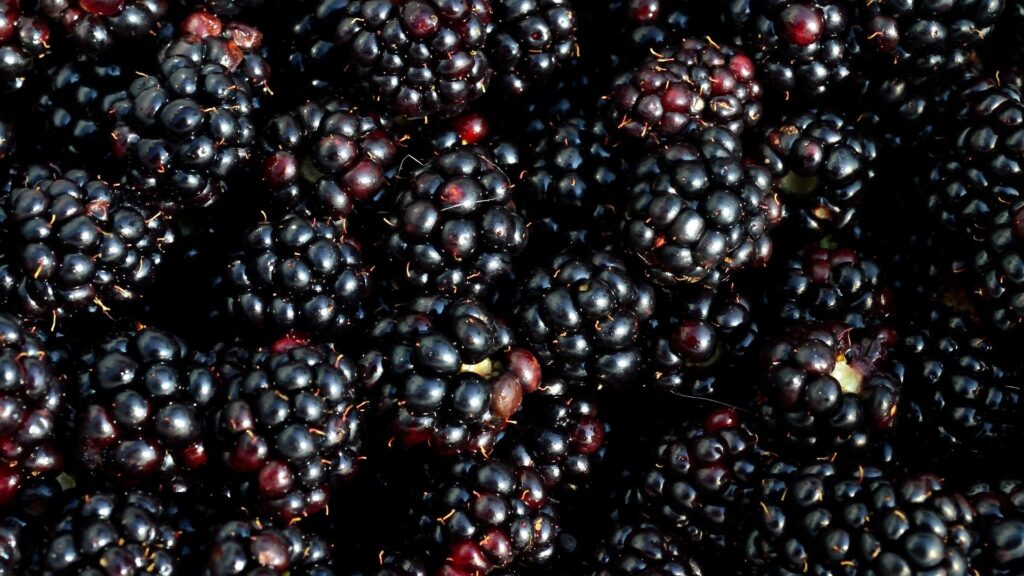
Blackberries are rich in vitamin C, vitamin K, and antioxidants, making them particularly beneficial for bone and immune health.
Supporting Bone Health
The vitamin K found in blackberries is essential for bone health. It helps promote calcium absorption and supports the formation and maintenance of strong bones. As a result, it may help reduce the risk of fractures and bone fragility.
Strengthening the Immune System
Vitamin C helps strengthen the immune system and protect the body from infections. Blackberries are a good source of this important nutrient and provide essential support for maintaining canine health. This can help improve immune resilience and resistance to illness.
Strawberries | Promoting Skin and Coat Health

Strawberries are not only sweet and tasty, but also rich in nutrients that can be highly beneficial for dogs—especially antioxidants and vitamin C.
Promoting Healthy Skin and Coat
The vitamin C in strawberries helps support collagen production, which is important for maintaining healthy skin and coat. It also aids in skin repair and protection, helping to prevent dryness and itching. In addition, it can improve coat shine and overall coat condition.
Antioxidant Support for Overall Health
The antioxidants found in strawberries help protect cells from free radical damage and may slow the aging process. As a result, they may help prevent skin aging and inflammation while supporting a healthier life overall.