

 Shun Nagai
As dogs are increasingly treated as members of the family, the “humanization” of dogs is rapidly advancing. As a result, selecting the right ingredients has become extremely important for manufacturers and sellers of dog food.
One ingredient that deserves special attention is the blueberry.
This small fruit is packed with nutrients that help support canine health. In this article, we will take a closer look at the many ways blueberries can contribute to a dog’s diet and why they are such an appealing ingredient.
Blueberries: A Nutrient-Dense Superfood
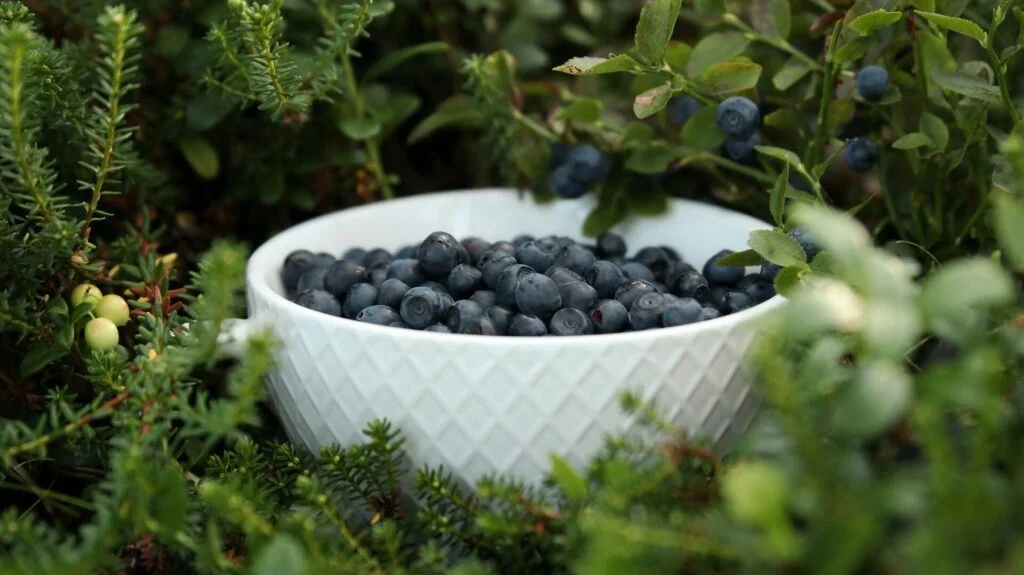
Blueberries are not only delicious for people, but also an excellent ingredient to include in a dog’s diet. Often referred to as “little blue gems,” blueberries are rich in vitamins, minerals, and antioxidants that contribute to a dog’s overall health and well-being.
Rich in Powerful Antioxidants
One of the biggest benefits of blueberries is their high antioxidant content. Antioxidants are essential for fighting oxidative stress and neutralizing harmful free radicals in the body.
Free radicals are waste products generated by the body’s cells as a byproduct of metabolism or in response to environmental stress. They are believed to be associated with aging as well as neurological and immune-related disorders.
In this way, the natural antioxidants found in blueberries help support normal cellular function within the immune system and contribute to a dog’s long-term health and happiness.
Packed with Fiber and Other Important Nutrients
Blueberries are also high in dietary fiber, which helps support digestion and promotes gut health. In addition, they are rich in vitamin C, vitamin K, and manganese, all of which play important roles in bone health, collagen production, and overall vitality in dogs.
Furthermore, some studies suggest that blueberries may have anti-inflammatory properties, which may benefit dogs suffering from arthritis and other inflammatory conditions.
OEM Manufacturing with Blueberries in Thailand
Our company offers proposals for the development and contract manufacturing (OEM) of cat food and dog food in Thailand. So why Thailand? Let us explain the reasons.
Freeze-dried pet food and dry food made with blueberries can also be manufactured.
Proven Track Record as a Major Pet Food Exporter
According to the Thai Pet Food Trade Association (TPFA), Thailand’s pet food exports exceeded 65 billion baht in 2021, up 27% year-on-year, making the country the world’s third-largest pet food exporter.
The top five export destinations for Thai pet food are the United States, Japan, Italy, Malaysia, and Australia. Demand for Thai pet food is also growing in Asian countries such as India, Indonesia, and Laos.
This steady growth continued, and as of July 2022, Thai pet food exports had already increased by 43% year-on-year, showing even greater momentum.
According to Dr. Chaninth Charusarapong, Chairman of the TPFA, Thailand’s long-standing expertise in canned tuna production—Thailand produces roughly 20% of the world’s canned tuna—has also contributed to the expansion of wet pet food manufacturing. As a result, wet pet food production in Thailand has also become increasingly active.
Easy Access to High-Quality Raw Materials
Approximately 95% of the raw materials used in Thai pet food production—including fresh, high-quality meat, grains, and seafood—are sourced locally, which has further supported the country’s manufacturing success and export competitiveness.
One reason for this is Thailand’s diverse climate and geography, which allow the production of a wide range of agricultural products such as grains, vegetables, and fruits.
In addition, Thailand has a strong livestock industry, making it possible to source fresh, high-quality meat suitable for human consumption. Because Thailand is also surrounded by the sea, the country has abundant seafood resources, much of which is also human-grade and suitable for use in pet food.
Cost Advantages
Thailand is well known for its relatively low production costs. This is influenced by lower labor costs compared with Japan and Western countries, as well as easier access to raw materials.
For companies planning to develop new pet food products, this can be a highly attractive advantage. Lower manufacturing costs help reduce product pricing and improve competitiveness in the market.
Frequently Asked Questions
- QCan products be manufactured according to our desired recipe?
- QWhat is the quality of the raw materials used in Thai OEM manufacturing?
- QWhat kind of manufacturing equipment do Thai OEM manufacturers use?
- QWhat does quality control in Thailand look like?
- QHow long does it take from inquiry to completion of the final product?
- QHow long does it take from placing an order to delivery?
Inquiries and Consultations

Please feel free to contact us with any questions or inquiries regarding our OEM support services.
How to Contact Us
Phone: +66 (0)61-457-4310
You can speak directly with one of our representatives by phone. This is a quick way to get the information you need.
Email:
You can also contact our representative by email. We will provide detailed responses to your questions and requests.
Information to Prepare Before Contacting Us
After receiving your inquiry, we will discuss the details based on your interests and needs. At that stage, we will ask about the following:
- Project Overview
Please tell us about the product you would like to develop and the objectives of your project. - Requests and Preferences
If you can share your specific product requirements, preferences, and budget, we will be able to provide a more concrete proposal. - Schedule
Please let us know your target timeline and when you would like the product to be completed.
We value close communication with our clients and are committed to providing the fullest possible support to help ensure the success of your project.