

 Shun Nagai
Green-lipped mussels are a type of seafood that have attracted growing attention for their rich nutritional profile and potential health benefits. In particular, they contain high levels of omega-3 fatty acids, glucosamine, and chondroitin, all of which help support joint health and provide anti-inflammatory effects. As a result, green-lipped mussels are becoming increasingly popular as a health supplement for dogs and cats.
In this article, we will take a detailed look at the nutrients found in green-lipped mussels, their potential benefits, and the side effects pet owners should be aware of. By understanding both the advantages and the risks, you can make better decisions about incorporating green-lipped mussels into your pet’s healthy lifestyle.
What Are Green-Lipped Mussels?
Green-lipped mussels are a species of mussel in the family Mytilidae that are harvested in the coastal waters of New Zealand’s North and South Islands, as well as the waters surrounding nearby smaller islands. In Japanese, they are also known as moegi igai.
For many years, local people have highly valued green-lipped mussels for their health benefits, especially for joint problems and inflammation. In recent years, their reputation has spread more widely, and today they are cultivated, processed, and sold around the world as nutritional supplements for both people and pets.
In New Zealand, the farming, harvesting, and export of green-lipped mussels are strictly regulated in order to ensure a sustainable supply and protect the local marine environment.
Ecological Characteristics of Green-Lipped Mussels
About 7 to 8 hours after fertilization, green-lipped mussels develop into a larval form commonly seen in mollusks, known as the veliger stage. During this time, they drift along coastal waters and feed.
As they continue to grow, the veliger larvae gradually form shells and begin attaching themselves to hard surfaces such as rocks and other solid structures, rather than swimming freely. Green-lipped mussels produce byssal threads, which allow them to anchor themselves firmly to their new habitat.
Once their shells have grown sufficiently and they reach sexual maturity, the reproductive cycle begins again. At this stage, the mussels are also ready to be harvested.
Are Green-Lipped Mussels Good for Dogs and Cats?
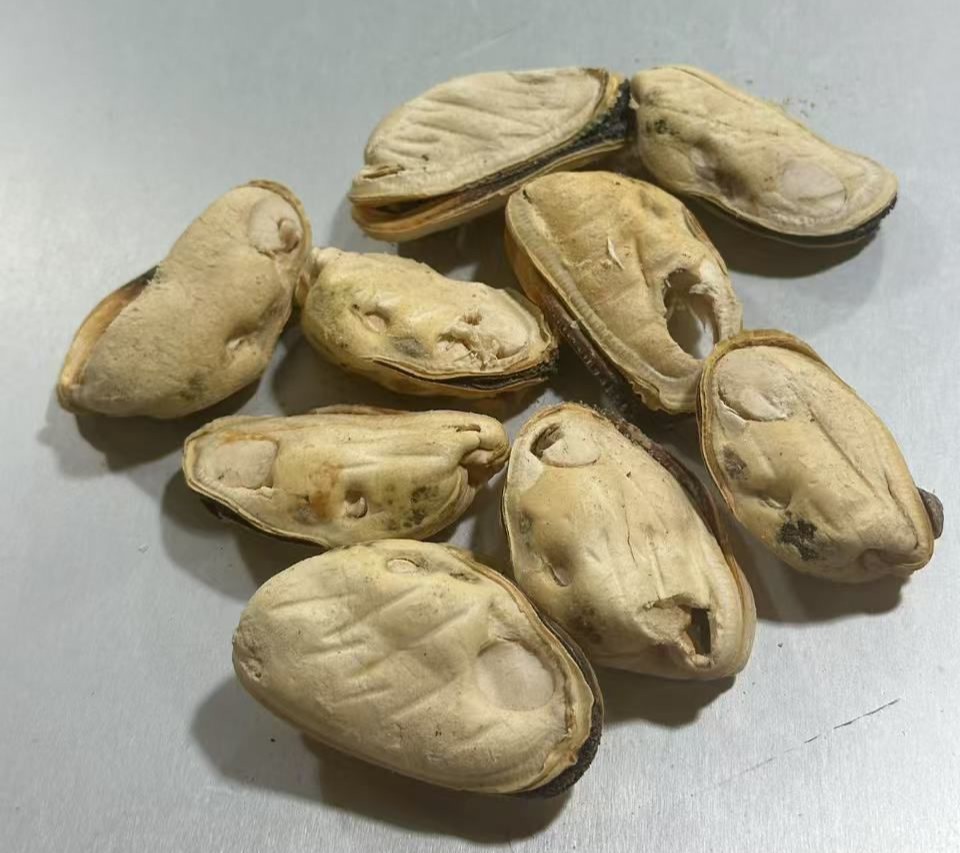
Green-lipped mussels are generally safe for dogs and cats to eat. They contain vitamins, minerals, and fats that can support canine and feline nutrition, and they can be especially beneficial for pets with joint issues.
In fact, green-lipped mussels are well known for their rich nutritional content and contain many essential nutrients and amino acids needed by dogs and cats. Below are the nutrients found in 100 g of raw green-lipped mussels.
| Nutrient | Amount per 100 g |
|---|---|
| Protein | 15 g |
| Fat | 2 g |
| Unsaturated fatty acids | 1 g |
| Carbohydrates | 4–5 g |
| Dietary fiber | 0 g |
Protein
Green-lipped mussels are rich in protein, which helps maintain muscle mass, repair tissues, and support overall body function.
Omega-3 Fatty Acids and More
Green-lipped mussels are a natural food rich in omega-3 fatty acids, including eicosatetraenoic acid (ETA) and eicosapentaenoic acid (EPA). These fatty acids have powerful anti-inflammatory effects in both humans and animals, helping not only with joint health and pain relief but also with the maintenance of healthy joints and support for cardiovascular health.
Carbohydrates
Green-lipped mussels are a low-carbohydrate food, making them a suitable option for dogs and cats that require a low-carb diet.
Dietary Fiber
Green-lipped mussels do not contain dietary fiber.
Vitamins
Mussels are rich in a variety of vitamins, including vitamins C, B12, and E, as well as minerals such as iron, zinc, calcium, and magnesium.
Glycosaminoglycans (GAGs)
Chondroitin sulfate, an important component found in glycosaminoglycans (GAGs), has been shown to support the health of joint cartilage and help relieve joint pain and inflammation.
Hyaluronic acid is another glycosaminoglycan that helps maintain joint health and lubrication.
Excellent for Joint Problems
As you can see, green-lipped mussels are rich not only in omega-3 fatty acids but also in glucosamine and chondroitin. These components are believed to have strong anti-inflammatory effects that have been scientifically studied and may help relieve conditions such as osteoarthritis and other joint problems.
The combination of these nutrients may help reduce joint pain and inflammation in pets, which is why green-lipped mussels are a popular ingredient for dogs and cats suffering from arthritis and other joint issues.
Precautions When Feeding Green-Lipped Mussels
Green-lipped mussels are generally safe for dogs and cats as long as they are given in appropriate amounts and prepared properly. They can play a valuable role in a pet’s daily diet, but it is important to be cautious and follow these guidelines.
- Consult Your Veterinarian
Whenever you introduce a new food or supplement into your pet’s diet, including green-lipped mussels or green-lipped mussel supplements, be sure to consult your veterinarian first. A veterinarian can assess your pet’s current health condition and provide specific advice based on factors such as age, size, breed, and any existing health issues. - Buy From a Trusted Source
Always purchase green-lipped mussels or related supplements for your pet from a reputable manufacturer or supplier to ensure quality and safety. - Prepare Them Properly
If you are feeding fresh or frozen green-lipped mussels, make sure they are thoroughly cooked before giving them to your dog or cat. Proper cooking helps kill pathogens and bacteria, reducing the risk of food poisoning.
How They Help With Arthritis
Green-lipped mussels can be highly beneficial for dogs and cats with arthritis or joint problems because they contain helpful compounds such as omega-3 fatty acids, natural glucosamine, and chondroitin.
Omega-3 Fatty Acids
The omega-3 fatty acids in green-lipped mussels may help support joint function and reduce inflammation, which could ease problems such as arthritis and joint pain in pets.
Adding green-lipped mussels to your dog’s or cat’s diet, or using supplements that contain these omega-3 fatty acids, may contribute to both joint health and overall well-being.
Glucosamine
Green-lipped mussels contain natural glucosamine. Glucosamine is a building block of cartilage, the flexible connective tissue that cushions joints throughout the body.
As pets age or as their joints experience wear and tear, the body’s production of glucosamine may decline, which can lead to joint problems.
By providing additional glucosamine through green-lipped mussels or supplements, you may help support cartilage health and maintain joint lubrication and flexibility.
Chondroitin
Chondroitin is another important component of cartilage and is also found in green-lipped mussels. Like glucosamine, chondroitin helps maintain the structure and function of healthy cartilage. It also supports water retention in the cartilage, which is necessary for proper shock absorption in the joints.
By supplying these beneficial compounds, green-lipped mussels may promote joint health, reduce inflammation, and help relieve joint pain and stiffness.
However, health conditions vary from one pet to another, so the effects of green-lipped mussels may differ depending on the dog’s or cat’s health status and the quality of the supplement being used.
Which Is Better: Green-Lipped Mussels or Fish Oil?
The choice between green-lipped mussels and fish oil depends on the pet owner’s preferences and the pet’s specific health needs. Both are excellent sources of essential fatty acids and minerals that support health.
Green-Lipped Mussels
Green-lipped mussels are rich in beneficial nutrients such as omega-3 fatty acids, glucosamine, and chondroitin, which are particularly good for joint health and may help reduce inflammation.
The wide range of nutrients found in green-lipped mussels may offer additional benefits for dogs and cats with joint problems such as arthritis.
They are a nutrient-dense superfood, providing more than just omega-3 fatty acids.
They are available in a variety of forms, including fresh, frozen, dried, powdered, and supplement form.
Fish Oil
Like green-lipped mussels, fish oil supplements are rich in omega-3 fatty acids, including EPA and DHA.
Fish oil is widely used for both pets and humans to support overall health, including heart health, brain function, and immune system support.
Fish oil supplements are available in convenient forms such as liquids, capsules, and chewable treats.
Some dogs and cats may prefer the taste of fish oil over green-lipped mussels.
Ultimately, the better choice depends on your pet’s specific health goals and needs. If your pet has joint problems, green-lipped mussels may be more effective because they contain additional joint-supporting compounds. However, fish oil can also provide major overall health benefits.
How Long Does It Take to See Results?
The amount of time it takes for green-lipped mussels to produce noticeable effects in dogs and cats can vary depending on the pet’s health condition, the severity of the joint problem, and the diet being fed.
In general, it may take some time for green-lipped mussels to show positive effects on joint health, but visible improvements such as better range of motion may begin to appear after several weeks to several months.
Because the active compounds may need time to build up in the body before their effects become apparent, patience and consistent use are important. The results can vary from one dog or cat to another. Some pets may show clear improvement, while others may experience only milder effects.
Potential Side Effects of Green-Lipped Mussels
Green-lipped mussels are generally considered safe and healthy for dogs and cats when given according to the directions and dosage on the package. However, when introducing them for the first time, pet owners should be aware of the potential risks of side effects.
Allergic Reactions
Some pets may be allergic to seafood, shellfish, or green-lipped mussels themselves, and may show mild allergic reactions when first introduced. Signs of an allergic reaction can include itching, swelling of the skin, and digestive upset. If any of these symptoms occur, stop use and consult your veterinarian.
Digestive Upset
Introducing green-lipped mussels may cause mild digestive issues in some pets, such as diarrhea or stomach discomfort. If your dog or cat experiences digestive upset, it is recommended to adjust the amount or discontinue use and consult your veterinarian.
Interactions With Medications
If your pet is taking other medications or supplements, be sure to inform your veterinarian before giving green-lipped mussels. They may interact with other supplements or medications.
This is especially important if your pet has an existing health condition or is currently on medication. Your veterinarian can provide personalized advice based on your pet’s specific health needs and determine whether green-lipped mussels are safe and appropriate.
Safety for Dogs and Cats With Existing Health Conditions
When giving a new food or supplement to dogs and cats with underlying health conditions, it is important to carefully confirm its safety. Pets with chronic illnesses such as kidney disease or allergies may be more vulnerable even to generally beneficial nutrients, so extra caution is needed.
Dogs and Cats With Kidney Disease
Green-lipped mussel supplements may contain relatively high amounts of certain minerals and nutrients, which could place extra strain on the kidneys. For this reason, they may not be recommended for dogs or cats with kidney disease.
Pets with kidney disease usually require a special diet tailored to their condition, so it is essential to consult a veterinarian before introducing any new supplement or food.
Therefore, before adding green-lipped mussel supplements or any new food to the diet of a dog or cat with kidney disease, always speak with your veterinarian first.
A veterinarian can evaluate the animal’s individual health status and provide personalized advice on the most appropriate diet and supplements while taking kidney disease into account.
Dogs and Cats With Skin Disease
Green-lipped mussels have anti-inflammatory properties and may help with itchy skin. The omega-3 fatty acids they contain have been shown to have anti-inflammatory effects and may help reduce skin inflammation and itching.
However, even though green-lipped mussels or supplements may offer potential benefits, it is important to remember that itching can have many different causes, including allergies, parasites, fleas, infections, and other skin problems.
Depending on the cause of the itching, green-lipped mussels may or may not be beneficial. For that reason, always consult your veterinarian before introducing green-lipped mussels or any new supplement or food to help relieve itching in your dog or cat.