

 Shun Nagai
To maintain a dog’s health and support a comfortable quality of life, developing highly digestible dog food is essential. Food with high digestibility helps dogs absorb nutrients efficiently, which can support stronger immunity, better weight management, and improved digestive health.
In this article, we will explain how highly digestible dog food contributes to canine health and discuss key considerations for ingredient selection during the development process.
What Is Highly Digestible Dog Food?

When evaluating the quality of dog food and determining how beneficial it is for a dog’s body and overall health, people often first look at the ingredient list, guaranteed analysis values such as protein, fat, fiber, and moisture, and whether the package states that it is a “complete and balanced” food.
These are all important factors, but they do not tell the whole story. In addition to these points, one of the most important indicators of dog food quality is digestibility.
Digestibility is a key measure of dog food quality. A high digestibility rate means that a dog is actually receiving the nutrients the formula was designed to provide.
This may seem obvious, but some commercial dry foods marketed with claims such as “made with superfoods” or “made with meat as the main ingredient” may, in reality, have relatively low digestibility.
How Digestibility Is Measured
Digestibility can be measured through fecal analysis. It is typically evaluated through feeding trials. After a transition period onto the food being tested, the dog is fed a specific amount of that diet, and its feces are collected and analyzed.
Digestibility is calculated by subtracting the amount of feces excreted from the total amount of food consumed per day. This makes it possible to determine the overall digestibility percentage.
For example, if a dog eats 250 g of food per day and produces 40 g of feces, this means that 210 g of the food was absorbed by the body.
210 g ÷ 250 g × 100% = 84%
In this case, the food has a digestibility of 84%. In other words, the dog absorbed 84% of what was in the food, while 16% was excreted as waste.
Digestibility Guidelines
| Digestibility Rate | Quality Level |
|---|---|
| Less than 75% | Low digestibility / low quality |
| 75%–82% | Moderate digestibility / متوسط quality |
| Over 82% | High digestibility / high quality |
| Over 88% | Very high digestibility / very high quality |
Let us look more closely at the digestibility of a specific nutrient, such as protein. For example, if a dog consumes 50 g of protein and excretes 5 g of protein in its feces, then the digestibility of the protein in that diet is 90%.
45 g ÷ 50 g × 100% = 90%
You may wonder why this matters, so let us compare two dog foods.
Dog Food A: 30% crude protein, protein digestibility of 90%

Dog Food B: 30% crude protein, protein digestibility of 80%
If a dog eats 100 g of either food:
Food A: 30 g protein × 0.90 = 27 g absorbed

Food B: 30 g protein × 0.80 = 24 g absorbed
On the label, both foods appear to contain 30% protein. However, in reality, Food A provides more usable protein to the dog. This is why digestibility is such an important factor when evaluating dog food quality.
That said, dog food does not need to be 100% digestible. Producing feces is normal, and a dog’s digestive system functions properly when some indigestible material, such as fiber, passes through the gut.
In fact, there are situations where a lower-digestibility diet may be beneficial. For example, it may help dogs that are trying to lose weight, since fiber can promote satiety; dogs that need food to digest more slowly, such as diabetic dogs; or dogs with fiber-responsive conditions such as chronic constipation.
Ingredients and Processing Methods Also Matter
The true quality of dog food cannot always be judged simply by looking at nutrient values, wording on the label, or product images on the package. As mentioned earlier, even complete and balanced foods with similar nutrient profiles can have very different digestibility rates. This difference often comes down to ingredient quality and processing methods.
For example, dry food produced through extrusion may be made using feed-grade standards, which can mean that animal parts left over from the human food chain are used as ingredients.
Even if kibble is made with better ingredients, dry food manufactured through extrusion typically undergoes multiple high-heat processes, including rendering and extrusion. These repeated heating steps can reduce the nutritional value of the raw materials.
As a result, digestibility may decline, and nutrients may pass through the digestive tract without being fully absorbed, eventually being excreted in the feces.
Benefits of Highly Digestible Dog Food

Choosing highly digestible dog food is extremely important for maintaining a dog’s health and supporting longevity. Food with high digestibility delivers nutrients to the body more efficiently and offers a variety of health benefits. Below, we take a closer look at how highly digestible dog food can support canine health.
Health Benefits: Nutrient Absorption and Immune Support
Highly digestible dog food improves the efficiency of nutrient absorption in the body. When a dog’s digestive system can break down food efficiently and absorb the nutrients it needs, energy production and cellular repair can proceed more smoothly. This can support immune function and strengthen the body’s resistance to illness.
By contrast, poorly digestible food can result in inadequate nutrient absorption, meaning the dog may not receive enough essential vitamins and minerals. Highly digestible food allows nutrients to be delivered more efficiently throughout the body relative to the amount consumed, which can significantly improve overall health status.
Improved Appetite and Weight Management
Food with good digestibility places less strain on the digestive system and allows dogs to enjoy meals more comfortably. When food is processed smoothly in the stomach and intestines without causing digestive stress, dogs are more likely to maintain a healthy appetite. This can be especially helpful for picky eaters and senior dogs.
Highly digestible food can also support appropriate weight management because nutrients are absorbed efficiently with minimal waste. If a dog is continually fed food that is difficult to digest, poor digestive efficiency may mean that it has to consume more food than necessary to meet its nutritional needs. This can contribute to overeating and even obesity.
Supporting Digestive Health
Highly digestible food reduces the burden on the digestive system and helps maintain balance in the intestinal environment. By minimizing unnecessary stress on the gut, it can promote regular bowel movements and more stable stool quality. This helps prevent issues such as diarrhea and constipation and supports a more comfortable daily life for the dog.
In particular, foods that contain ingredients such as soluble fiber and prebiotics, which help maintain the balance of gut bacteria, can increase beneficial intestinal microbes and contribute to the overall health of the digestive system. A healthy digestive tract is closely linked to a pet’s overall wellness.
Selecting Ingredients with Digestibility and Absorption in Mind
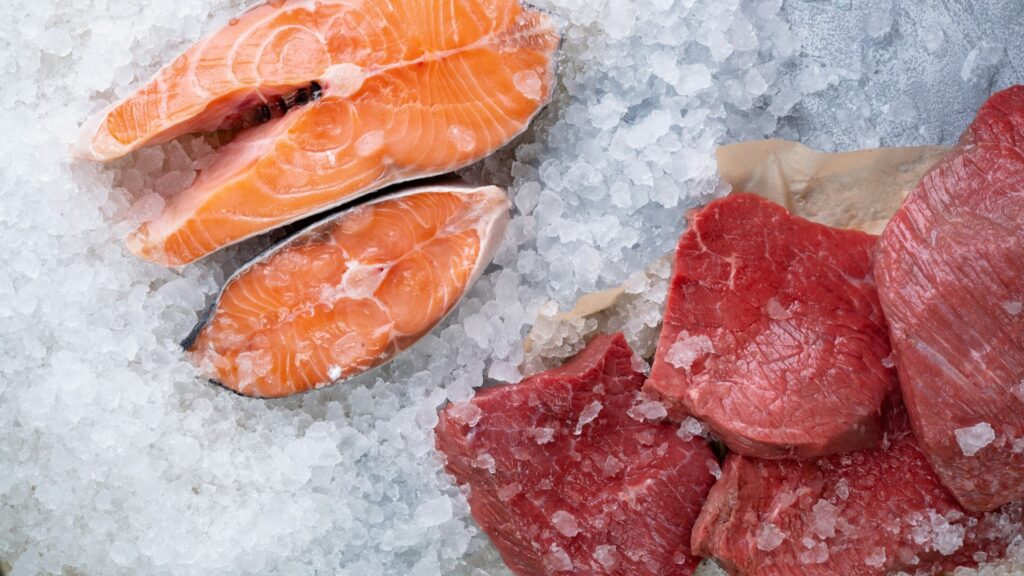
When developing dog food, taking digestibility and nutrient absorption into account is essential for maximizing canine health.
Ingredients that are easy to digest help nutrients be absorbed effectively while reducing stress on the digestive system. Below are some important ingredient considerations when prioritizing digestibility.
High-Quality Protein Sources
Protein is an essential nutrient for dogs, needed to maintain the body and repair muscles and organs. However, digestibility and absorption can vary greatly depending on the type and quality of the protein. Choosing high-quality protein sources is therefore a major factor in improving digestibility.
Highly digestible protein sources include chicken, lamb, and fish. These animal proteins are efficiently broken down in the canine digestive tract and utilized in the body as amino acids. Animal proteins are also generally known to be more digestible and more bioavailable than plant proteins.
In addition, using hydrolyzed animal protein can make digestion and absorption even easier. Hydrolyzed proteins are also said to allow pets with allergies to absorb nutrients more efficiently.
Carbohydrates Rich in Vitamins and Minerals
For dry food, which requires carbohydrates in order to form kibble, it is important to choose ingredients with consideration for the nutrients that can be absorbed during digestion. Carbohydrates can also serve as a source of vitamins and minerals for dogs.
They often contain B vitamins, which are important for energy metabolism and nervous system function, as well as minerals that support many functions throughout the body. These nutrients are essential for maintaining pet health.
In this sense, carbohydrates are important not only as a structural component in kibble but also as a meaningful source of vitamins and minerals when formulating foods with nutrient absorption in mind.
Soluble Dietary Fiber
Soluble dietary fiber is an essential ingredient for maintaining digestive health in dogs. While it does not directly affect digestion in the same way as protein or fat, fiber plays an important role in supporting digestive function, promoting healthy bowel movements, and maintaining a balanced intestinal environment.
Soluble fibers found in ingredients such as kale and spinach form a gel-like substance in the gut and are fermented and broken down by beneficial bacteria, helping to support digestion. For this reason, soluble dietary fiber is often referred to as a prebiotic, since it promotes the growth of beneficial bacteria and may help enhance mineral absorption.
However, excessive fiber intake may cause digestive upset or interfere with nutrient absorption, so it is important to keep the level appropriate. Some estimates suggest around 2.5% to 4.5% of the diet, and in most cases no more than 10%.
OEM Development of Highly Digestible Dog Food
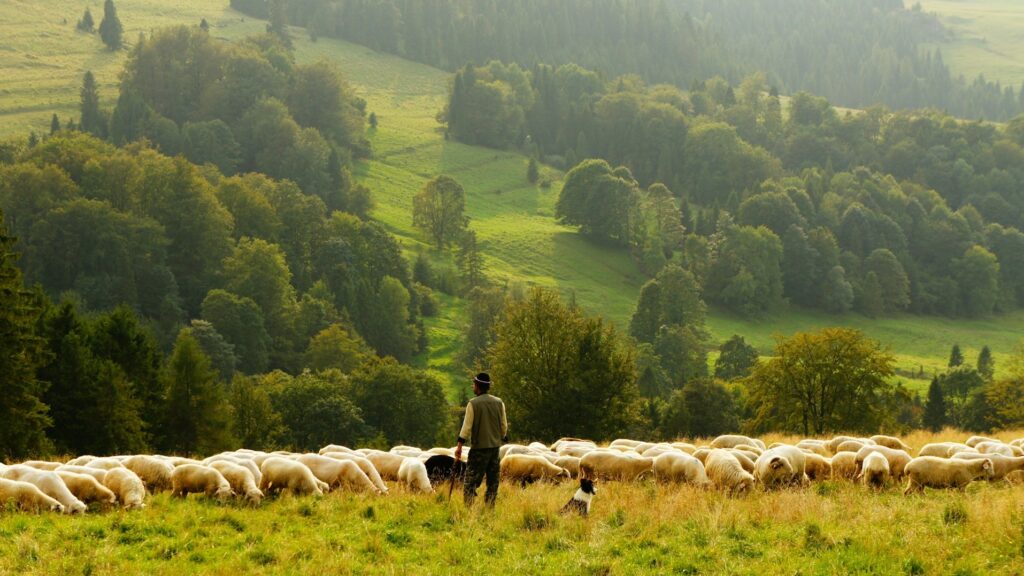
Ingredients from New Zealand are widely recognized as being among the highest quality in the world, making the country an ideal place for developing highly digestible dog food. To better understand why, let us take a look at New Zealand’s OEM manufacturing environment.
Pasture-Based Livestock Farming in New Zealand
New Zealand is known for its vast grasslands, fresh air, and lush natural environment. The country is globally renowned for its fresh livestock products and diverse, high-quality food culture. As a leader in sheep and cattle farming, New Zealand also produces excellent cheeses and ice cream that are highly regarded worldwide.
There are many delicious agricultural products associated with New Zealand, including manuka honey, avocado oil, and seasonal fruits and vegetables. The outstanding flavor and quality of New Zealand ingredients contribute significantly to the production of premium food and beverage products around the world.
This strong reputation extends beyond human food and also plays a major role in the production of super-premium pet food made in New Zealand.
Thanks to highly advanced pasture-based farming practices carried out across expansive farmland, New Zealand has also remained free of BSE, commonly known as mad cow disease, a fatal illness affecting the central nervous system of cattle.
The combination of top-quality raw materials and strict regulatory requirements for pet food production in New Zealand clearly shows why the country has established itself as a benchmark for super-premium pet food manufacturing.
Ingredients Raised by Nature
New Zealand’s unique combination of environmental conditions, including a mild climate, high rainfall, low population density, clean water, and fertile pastureland, helps preserve the freshness and flavor of its ingredients.
In addition, New Zealand’s animal welfare laws and pasture-based farming systems require cattle, sheep, and deer to be raised in natural environments. Animals raised on pasture are free to move around without being confined in crowded facilities, and they do not require routine antibiotic treatment.
Pasture-raised livestock also do not need to consume artificial hormones, grain-based feed, or other artificial additives. As a result, studies have shown that pasture-raised beef contains 30% to 40% more conjugated linoleic acid (CLA), which has been associated with anticancer properties and body fat reduction, than beef from cattle primarily raised on grain feed.
It has also been reported that free-range chicken is lower in fat and calories, and that eggs from free-range hens contain less fat, more vitamin A, and higher levels of omega-3 fatty acids.
Food Safety Standards
One of New Zealand’s highest priorities is food safety for consumers. For this reason, the country has implemented extensive measures to achieve a high standard of food safety, including preventing the introduction of pathogens and the spread of disease in livestock and crops, as well as maintaining strict control over animal behavior and feeding.
New Zealand has also been recognized by the World Organisation for Animal Health (WOAH) as a country free from certain major animal diseases, and it has achieved a high level of food traceability.
Food traceability refers to the ability to track food ingredients back to their source suppliers. This not only helps ensure food safety, but also helps prevent the large-scale spread of contaminated food materials.
Strict Regulations for Pet Food Manufacturing
Pet food manufacturers in New Zealand must comply with two strict laws established by the government: the ACVM Act and the APA.
Under the ACVM Act, enacted in 1996, the Agricultural Compounds and Veterinary Medicines Group of the New Zealand Food Safety Authority (NZFSA) regulates the registration of agricultural compounds and veterinary medicines, imported food monitoring, and the manufacturing, sale, and use of such products.
In addition, the Animal Products Act (APA) of 1999 established a risk management system to ensure that all pet food products traded and used in New Zealand are fit for their intended purpose by meeting New Zealand’s animal product standards.
These strict legal requirements help ensure that selected pet food manufacturers operate in sanitary environments and produce pet food using nutrient-rich ingredients while maintaining a high standard of food safety.
Competitive Advantages over OEM Manufacturing in Other Countries

OEM manufacturing in New Zealand offers many competitive advantages compared with manufacturing in other countries.
Lower Geopolitical Risk
New Zealand is located in a region with relatively low geopolitical risk. For example, products manufactured in the Netherlands or the United Kingdom are generally shipped to Japan via the Suez Canal and the Red Sea in the Middle East. These areas have experienced blockages and attacks on container ships in the past, making them vulnerable to disruption when political tensions rise.
By contrast, shipping routes from New Zealand can avoid these geopolitical risks. Because access to Japan is more direct, transportation-related risks can be reduced, allowing for a more secure supply chain.
Shorter Shipping Lead Times
Shipping from New Zealand to Japan generally takes less time than shipping from the UK or the Netherlands. In many cases, transport from Europe to Japan takes around 60 days, whereas shipment from New Zealand to Japan takes around 30 days, roughly half the time.
This allows products to reach the market more quickly, making it easier to respond to fluctuations in demand. Shorter lead times can also improve inventory efficiency and help reduce operating costs.
Improved Cash Flow
Shorter shipping lead times can also improve cash flow. When products reach the market more quickly, sales can be generated sooner and funds can be recovered faster.
Manufacturing in the UK or the Netherlands often involves a longer shipping period of around 60 days, which can lengthen the cash flow cycle. By contrast, shipments from New Zealand, which take around 30 days, can cut that burden significantly.
As a result, companies can manage their cash flow more efficiently and better support business growth.
Environmental Regulations and Sustainability
Compared with many other countries, New Zealand places a particularly strong emphasis on sustainable livestock farming and dog food manufacturing. Environmentally conscious production is highly appealing in the Japanese market, where awareness of sustainability continues to grow. This can also strengthen brand image and serve as a clear point of differentiation.
Quality Trusted by Consumers
Dog food made in New Zealand is highly regarded in global markets for its quality and safety. In particular, products that meet strict food safety standards are more likely to earn consumer trust, making this a key factor in securing competitive advantage.
For Inquiries and Consultations

Our company introduces suitable partners from among multiple OEM manufacturers in New Zealand based on each customer’s needs and requirements. Please feel free to contact us regarding our OEM support services, no matter how small your inquiry may be.
Main Product Categories
- Dry dog food
- Dry cat food
- Freeze-dried raw dog food
- Freeze-dried raw cat food
- Air-dried dog food
- Air-dried dog food
How to Contact Us
Phone: +66 (0)61-457-4310
You may contact our representative directly by phone. Phone inquiries allow us to respond quickly and provide the information you need without delay.
Email:
You may also send an inquiry by email to our representative. We will respond with detailed answers to your questions and requests.
What We Would Like You to Prepare
After receiving your inquiry, we will discuss the details based on your interests and needs. At that stage, we will ask about the following points.
- Project Overview
Please tell us about the product you would like to develop and the purpose of your project. - Requests and Preferences
If you can share your specific requirements, preferences, and budget, we will be able to provide a more concrete proposal. - Schedule
Please let us know your target timeline and when you would like the product to be completed.
We value close communication with our customers and will do our utmost to support the success of your project.