

 Shun Nagai
Animal protein hydrolysates play an important role in pet health and nutrition management. For dogs and cats in particular, protein is an essential nutrient for muscle development, immune support, and overall health maintenance.
However, many modern pets suffer from serious issues such as food allergies and digestive problems caused by conventional protein sources. Animal protein hydrolysates have gained attention as an ideal solution because they not only help reduce these risks but also support overall pet health.
In this article, we will explain what protein hydrolysates are, explore the many benefits of animal protein hydrolysates, and look at how they contribute to improving the quality of pet food.
What Are Protein Hydrolysates?
Protein hydrolysates are mixtures of small molecules such as amino acids, peptides, polypeptides, and denatured proteins.
Normally, after dogs and cats eat food containing protein, enzymes such as proteases secreted by organs including the stomach and intestines break the protein down into smaller molecules such as amino acids and peptides.
By reducing these molecules to a smaller size, they become easier for the pet’s body to digest and absorb. After digestion and absorption, these molecules are recombined to build new proteins such as muscle, skin, coat, antibodies, enzymes, and hormones.
In short, protein hydrolysates are substances in which protein has already been broken down into smaller molecules.
Also Used in Infant Formula
This hydrolysis technology has also been widely applied in human food. For example, it has been used for decades in the production of hypoallergenic infant formula for babies and children with allergies to milk protein.
Types of Protein Hydrolysis
Protein hydrolysis refers to the process of breaking peptide bonds between chains of 2 to 50 amino acids by using water, thereby generating new substances such as amino acids and peptides.
This can be done either enzymatically or chemically using acids or alkalis.
Enzymatic Hydrolysis
Enzymatic hydrolysis is considered the best method because it follows the same basic process as the hydrolysis that naturally occurs in the bodies of humans and pets. As a result, it is more natural and helps preserve the nutritional value of the protein.
More specifically, enzymatic hydrolysis breaks peptide bonds in proteins and generates or retains a wide range of molecules, including amino acids, peptides, polypeptides, and denatured proteins.
This simplifies the molecular structure and makes digestion and absorption easier in the pet’s body. It also helps preserve many of the nutrients found in protein, which has a positive effect on pet health.
Acid and Alkaline Hydrolysis
Protein hydrolysis using acids or alkalis has the advantage of being inexpensive, but it can negatively affect the nutritional value of the resulting hydrolysate.
In acid hydrolysis, tryptophan, which is an essential amino acid, is completely destroyed, while methionine, cystine, and cysteine are partially lost. It is also said that this process may produce small amounts of carcinogenic substances known as chloropropanols.
In alkaline hydrolysis, most of the tryptophan remains intact, but other amino acids may be completely destroyed.
Benefits of Enzymatic Hydrolysates
Protein hydrolysates are added to pet food for a variety of reasons, including increasing protein content and improving palatability.
As these reasons suggest, pet food generally uses enzymatic hydrolysates because they preserve more nutrients. Here, we would like to focus specifically on the benefits of enzymatically produced protein hydrolysates.
Rich in Nutrients
In general, the main animal protein sources used in pet food are meals made from meat or fish by-products. These ingredients are rich in protein, but high-temperature and long-duration processing can negatively affect digestibility and nutritional value.
Enzymatic protein hydrolysates, on the other hand, do not go through such high-heat processing. This allows amino acids, peptides, and other nutrients derived from meat- or fish-based proteins to be retained, providing ideal nutrition for dogs and cats.
In this way, enzymatic hydrolysis differs from meal production and chemical hydrolysis using acids or alkalis, offering a highly nutritious protein source.
Easy to Digest and Absorb
When dogs and cats digest food, nutrients containing protein go through two processes: breakdown and absorption. Peptides and amino acids are the nutrients obtained when protein is broken down.
Because enzymatic hydrolysates are proteins that have already been broken down into peptides and amino acids, they allow dogs and cats to skip much of the protein breakdown process in the digestive tract and move quickly to absorption. This reduces the burden on the digestive system.
As a result, enzymatically produced protein hydrolysates are considered more digestible and absorbable than meal or raw meat made from the same fresh ingredients.
High Palatability
The amino acids and peptides created through protein breakdown are well known for playing an important role in pet food palatability. In fact, many of these molecular compounds enhance flavor and stimulate appetite in dogs and cats.
For example, chicken hydrolysate can enhance taste appeal for dogs and cats. This is due to its high content of peptides and amino acids, which account for approximately 15%.
Hypoallergenic Properties
Even when dogs and cats readily accept a food, their bodies may still react negatively to certain ingredients. These reactions can range from digestive discomfort to strong immune responses such as food allergies.
Among food components, protein is one of the main causes of allergic reactions. When the immune system identifies a particular protein as harmful, it can trigger symptoms such as itching, skin problems, and diarrhea.
However, when the same allergenic protein has been hydrolyzed, the bodies of dogs and cats may no longer recognize it in the same way. As a result, allergic reactions may be avoided, and itching may not occur.
One important point is that, to achieve hypoallergenic properties, protein hydrolysates should contain as many low-molecular-weight peptides as possible, ideally under 3,000 Da.
Stress Reduction in Pets
Just like humans, dogs and cats have complex stress mechanisms. When animals perceive a threat—even if it is not severe, such as travel, separation, or the arrival of a new pet—their bodies release stress hormones.
Temporary stress is usually not a major issue, but chronic stress can negatively affect pet health. Some bioactive peptides generated from fish-derived enzymatic hydrolysates have been shown to reduce stress in dogs by suppressing the release of stress hormones.
For reducing stress, hydrolysates containing anti-stress peptides can be especially effective. This can help pets cope better with stressful situations and improve their overall quality of life.
Points to Consider When Using Protein Hydrolysates
Using enzymatically produced protein hydrolysates offers many benefits. On the other hand, protein hydrolysates produced by acids or alkalis carry the following risks and should be avoided.
In acid hydrolysis, tryptophan, an essential amino acid, is completely destroyed, while methionine, cystine, and cysteine are partially lost. In addition, small amounts of carcinogenic compounds known as chloropropanols may be formed.
In alkaline hydrolysis, most of the tryptophan remains intact, but other amino acids may be completely destroyed.
Pet Food OEM Manufacturing in Thailand
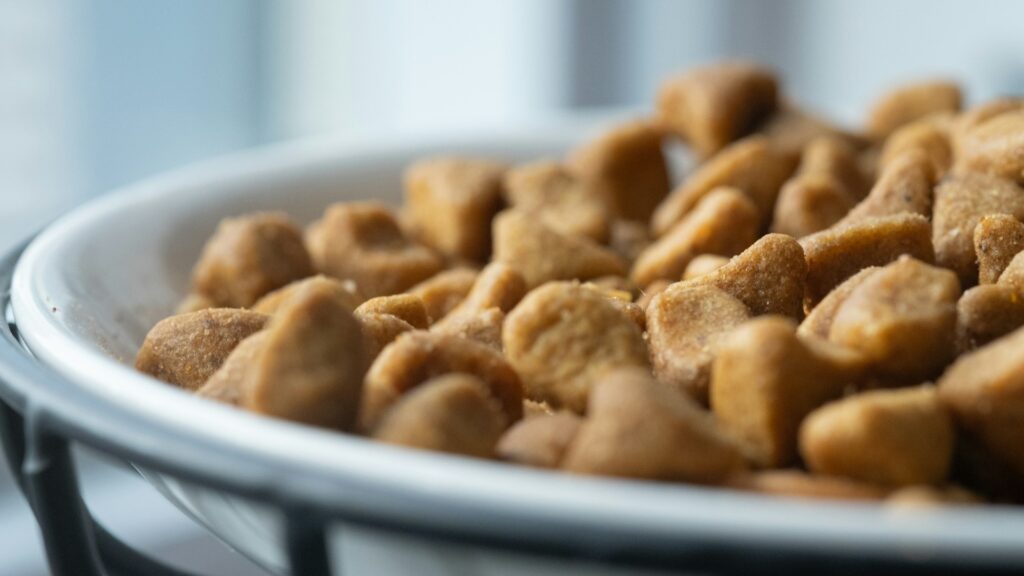
We offer support for dog food development and contract manufacturing (OEM) in Thailand.
Thailand is widely recognized as a major hub for pet food OEM manufacturing. In recent years, as the pet food market has become more diversified and quality-oriented, Thai OEM factories have become capable of developing premium pet food products.
Here, we would like to introduce some of the key advantages of manufacturing in Thailand.
Proven Track Record as a Major Pet Food Exporter
According to the Thai Pet Food Trade Association (TPFA), Thailand’s pet food export value exceeded 65 billion baht in 2021, up 27% year on year, making the country the world’s third-largest pet food exporter.
The top five export destinations for Thai pet food are the United States, Japan, Italy, Malaysia, and Australia. Demand for Thai-made pet food is also growing in Asian countries such as India, Indonesia, and Laos.
Thailand’s pet food export growth continued steadily, with exports already up 43% year on year as of July 2022, indicating even stronger momentum.
According to Dr. Chanintr Chareonsaraporn, Chairman of the TPFA, Thailand’s long experience in canned tuna production for human consumption—around 20% of the world’s canned tuna is produced in Thailand—has also contributed to the growth of wet pet food manufacturing in the country. As a result, wet pet food production in Thailand is also becoming increasingly active.
Easy Access to High-Quality Raw Materials
About 95% of the raw materials used in Thai pet food production—such as fresh, high-quality meat, grains, and seafood—are sourced locally. This has further supported the country’s success in production and global trade.
Thailand has a diverse climate and varied terrain, allowing it to produce a wide range of agricultural products, including grains, vegetables, and fruits.
In addition, Thailand has a strong livestock industry, making it possible to source fresh, high-quality meat suitable for human consumption. Because the country is surrounded by the sea, it also has abundant seafood resources that can be used in pet food and are also suitable for human consumption.
Cost Advantages
Thailand is known for its relatively low production costs. This is due in part to lower labor costs compared with Japan and Western countries, as well as the ease of sourcing raw materials.
This is a very attractive advantage for companies looking to develop new pet food products. Lower manufacturing costs help keep product prices competitive and make it easier to compete in the market.
Frequently Asked Questions
- QCan you manufacture based on our desired recipe?
- QWhat is the quality of the raw materials used in Thai OEM manufacturing?
- QWhat kind of manufacturing equipment do Thai OEM manufacturers use?
- QWhat is the quality control system like in Thailand?
- QHow long does it take from inquiry to product completion?
- QHow long does it take from order placement to delivery?
Inquiries and Consultations

Please feel free to contact us with any questions or inquiries regarding our OEM support services.
How to Contact Us
Phone: +66 (0)61-457-4310
You can call our representative directly. Phone support is the fastest way to receive quick answers and the information you need.
Email:
You can send an inquiry email to our representative’s email address. We will respond with detailed answers to your questions and requests.
Information We Ask You to Prepare
After receiving your inquiry, we will discuss the details based on your interests and needs. At that stage, we will ask about the following points:
- Project Overview
Please tell us about the product you would like to develop and the purpose of the project. - Requests and Preferences
If you can share any specific product requirements, preferences, and budget, we will be able to make a more concrete proposal. - Schedule
Please let us know your target completion date and overall schedule for the product.
We value close communication with our customers and will do our utmost to support the success of your project.