

 Shun Nagai
Companies involved in pet food manufacturing must provide the highest-quality products for dogs and cats. To do that, they need to pay close attention to the ingredients used in their formulas and ensure those ingredients are both high quality and capable of supporting pet health.
For example, the origin of chicken, one of the most commonly used ingredients in dog and cat food, can make a significant difference in terms of quality and nutritional value. In this article, we explain why New Zealand chicken is an excellent choice for manufacturing premium pet food for dogs and cats.
A Farming Environment Close to Nature
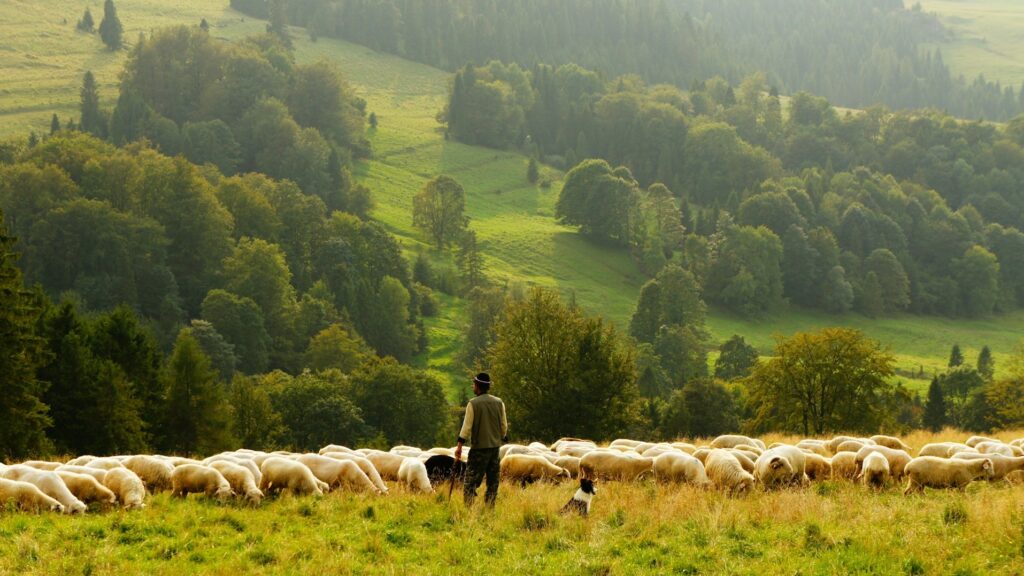
New Zealand’s livestock farming environment, set against its clean, green, and naturally rich landscape, stands out even when compared with other countries. For this reason, New Zealand livestock ingredients such as chicken are especially well suited for use in dog food and cat food.
More specifically, the country’s natural environment, which is largely free from harmful pests and major diseases, along with its strict regulations, helps minimize the risk of chickens developing serious illness.
In addition, chickens are raised in free-range, low-stress environments, which is also highly favorable from an animal welfare perspective. Cage-free chickens have access to outdoor space, which helps reduce stress and improve their quality of life.
As a result, this also has a positive impact on the quality of the chicken itself, making it a particularly valuable ingredient for pet food for dogs and cats.
Rich Nutritional Value
New Zealand chicken offers excellent nutritional value. Chickens are fed grain-rich diets and are generally raised without the use of artificial growth hormones or antibiotics.
This results in chicken meat with a well-balanced nutritional profile, providing the protein, vitamins, and minerals pets need for good health. Protein is essential for the overall well-being of dogs and cats. It supports muscle development, tissue repair, and immune function. It also helps maintain healthy skin and a glossy coat, while supporting strong bones and teeth.
In addition, free-range chicken is known to be lower in fat and calories, and eggs from free-range chickens have been found to contain less fat, more vitamin A, and higher levels of omega-3 fatty acids. In this way, New Zealand chicken offers a wide range of nutritional benefits and is one of the finest ingredients available for dog food and cat food.
Contributing to a More Sustainable Society
Using chicken from free-range farms in pet food also contributes to environmental sustainability. These farms are typically less densely stocked, which can reduce soil degradation and lower carbon dioxide emissions.
By choosing pet food made with free-range chicken, it is possible to support more sustainable livestock farming practices that benefit the planet.
Why Pet Food Should Be OEM Manufactured in New Zealand
At our company, we can support the development of dog food and cat food in New Zealand with the following features:
| Development Features in New Zealand | Details |
|---|---|
| Cage-free New Zealand chicken | Use of cage-free chicken sourced from New Zealand |
| High-protein formulation | Protein content of 40% or more |
| No artificial growth hormones or antibiotics | Clean-label ingredient approach |
Here, we would like to explain why New Zealand is such an attractive location for OEM pet food manufacturing.
New Zealand’s Pasture-Based Livestock Industry
New Zealand is known for its vast grasslands, fresh air, and lush natural environment. The country is also globally recognized for its fresh livestock products and diverse, creative food culture. As a leading nation in sheep and cattle farming, New Zealand also produces excellent cheese and ice cream, both of which enjoy a strong reputation.
There are many delicious agricultural products associated with New Zealand, including manuka honey, avocado oil, and seasonal fruits and vegetables. The exceptional flavor of New Zealand ingredients has made a major contribution to the production of premium food and beverage products on a global scale.
This strong reputation is not limited to human food. It also plays a significant role in the quality of the super-premium pet food manufactured in New Zealand.
Thanks to its highly advanced pasture-based livestock systems conducted on expansive farmland, New Zealand has also remained free from BSE, commonly known as mad cow disease, a fatal condition that affects the central nervous system of cattle and can cause aggressive behavior or depression.
When the highest-quality raw ingredients are combined with New Zealand’s strict regulatory requirements for pet food manufacturing, it becomes clear that the country has established a strong benchmark for the production of super-premium pet food.
Ingredients Raised by Nature
The unique combination of environmental conditions found in New Zealand, including a mild climate, high rainfall, low population density, clean water, and fertile pastureland, helps enhance the freshness and flavor of raw ingredients.
In addition, New Zealand’s animal welfare laws and pasture-based farming systems require cattle, sheep, and deer to be raised in natural environments. Animals raised on pasture are free to move around without being confined in cramped facilities, and they generally do not require antibiotics.
Furthermore, pasture-raised livestock do not need to consume artificial hormones, grain-based feed, or other artificial additives. As a result, studies have shown that meat from pasture-raised cattle contains 30–40% more conjugated linoleic acid (CLA), which is associated with anti-cancer properties and weight management benefits, than meat from cattle raised mainly on grain-based diets.
Free-range chicken is also known to be lower in fat and calories, while eggs from free-range chickens contain less fat, more vitamin A, and higher levels of omega-3 fatty acids.
Food Safety Standards
One of New Zealand’s highest priorities is the safety of food consumed by end users. To achieve a high level of food safety, the country takes extensive measures to prevent the introduction of pathogens and the spread of disease among livestock and crops, while also maintaining thorough control over livestock behavior and feeding practices.
New Zealand is also recognized by the World Organisation for Animal Health (WOAH) as a country free from major animal diseases, and it has achieved a high level of food traceability.
Food traceability refers to the ability to trace food ingredients back to their suppliers. This not only helps ensure food safety, but also helps prevent the large-scale spread of contaminated food sources.
Strict Regulations Governing Pet Food Manufacturing
Pet food manufacturers in New Zealand must comply with two strict laws established by the government: the ACVM Act and the APA.
Under the ACVM Act of 1997, New Zealand’s Ministry for Primary Industries regulates the registration of agricultural compounds and veterinary medicines, as well as the monitoring of imported food and the manufacturing, sale, and use of related products.
In addition, the Animal Products Act 1999 (APA) established a risk management system requiring all pet food products traded and used in New Zealand to be fit for their intended purpose by meeting the country’s animal product standards.
These strict laws help ensure that pet food is manufactured by carefully selected producers in hygienic environments, while maintaining high food safety standards and using nutritionally rich ingredients.
Inquiries and Consultation

Please feel free to contact us with any questions or inquiries regarding our OEM support services.
How to Contact Us
Phone: +66 (0)61-457-4310
You can call one of our representatives directly. Phone support is the fastest way for us to provide you with the information you need.
Email:
You may also contact us by email. We will provide detailed answers to your questions and requests.
What We Would Like You to Prepare
After you contact us, we will discuss the details based on your interests and needs. At that stage, we will ask you about the following points:
- Project Overview
Please tell us about the product you would like to develop and the purpose of the project. - Requests and Preferences
If you can share any specific product requirements, preferences, and budget, we will be able to make a more concrete proposal. - Schedule
Please let us know your target completion date and overall schedule for the product.
We value close communication with our customers and will provide the fullest possible support to help make your project a success.