

 Shun Nagai
Pet food ingredient formulas need to be carefully designed to deliver the essential nutrients, quality, and palatability that meet the needs of both customers and their pets. Key factors such as target price range, market trends, and whether the product is positioned as premium also have a major influence on formula design.
You may already have certain key ingredients or nutrients in mind, but there may also be important components that should be included in the formula that you have not yet considered. That is why it is important to work with veterinarians, pet nutrition specialists, and a reliable pet food OEM manufacturer that can provide existing formulas or develop original recipes based on your brand concept.
At the same time, it is also important to understand the basic building blocks of an ingredient formula so that you can offer a well-balanced pet food brand. In addition, because pet food packaging is required to include ingredient labeling, having a solid grasp of the basics is helpful when listing ingredients correctly.
Types of Ingredients in Pet Food
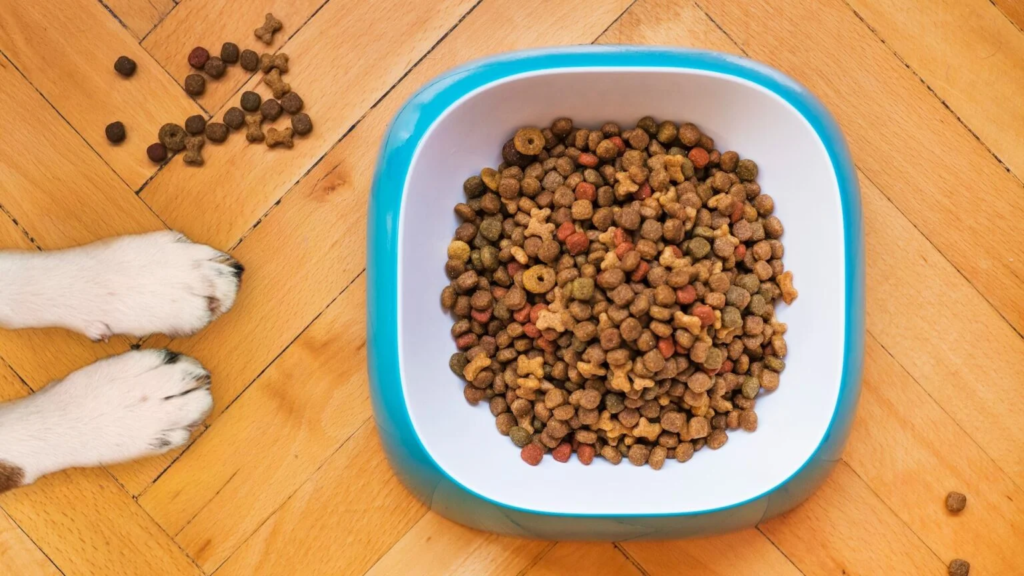
Ingredients generally fall into two categories: primary ingredients and secondary ingredients.
Primary ingredients are usually listed near the top of the ingredient panel and consist of animal- or plant-based materials that provide protein, carbohydrates, and other major nutrients.
Secondary ingredients come afterward and generally include minerals, vitamins, and other nutrients.
This does not mean that primary ingredients are more important than secondary ingredients. However, pet food manufacturers often have a clearer idea of what they want to use as primary ingredients than what they want to use as secondary ingredients.
For example, many manufacturers may be considering a novel protein such as horse meat as a key point of differentiation. However, they may not have a clear idea of which secondary ingredients should be combined with that horse meat. Even so, knowledge of these secondary ingredients is essential in order to create a well-balanced pet food formula.
This is because incorrect levels of essential vitamins and minerals in secondary ingredients can be harmful to pets, so precise formulation is critical. For that reason, it is important to work closely with a trustworthy pet food OEM manufacturer.
4 Essential Nutritional Elements to Understand Before Manufacturing
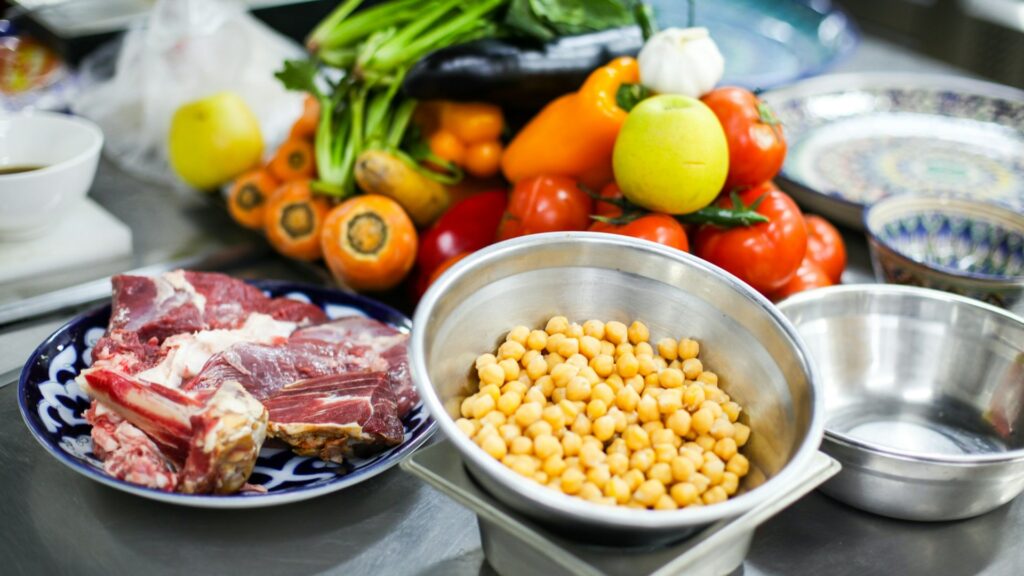
Pet food formulas must be designed with the pet’s life stage in mind. To do that properly, the following four essential elements are extremely important.
Protein: Essential for All Living Beings
Protein is indispensable for all living organisms. It helps maintain normal bodily functions and supports growth. Pet food contains a wide variety of protein sources. Some typical examples are listed below.
| Protein Source | Description |
|---|---|
| Meat meal | Rendered meat and skin that have been dried and processed into a powdered form. Does not include blood, hair, hooves, horns, hide trimmings, manure, or the contents of the stomach or rumen. |
| Meat by-products | Includes lungs, spleen, kidneys, brain, liver, blood, bone, partially defatted low-temperature fatty tissue, and stomachs or intestines with their contents removed. Does not include hair, horns, teeth, or hooves. |
| Plant protein | Protein extracted from ingredients such as soybeans or corn using proprietary processing methods. |
Animal protein is the most common type of protein used in pet food. Typical meat sources include chicken, turkey, and beef. Novel proteins include kangaroo, rabbit, horse, and venison.
Carbohydrates: A Source of Energy
Carbohydrates provide animals with energy and dietary fiber. Common carbohydrate sources include rice and potatoes. However, novel carbohydrates such as sweet potatoes, millet, and quinoa can also be used.
Fat: Important for Palatability and Health
Fat is one of the most important energy sources for pets. It provides essential fatty acids such as omega-3 and omega-6, which cannot be naturally produced by the body. Fat also improves palatability in pet food. In addition, it contributes to healthy skin and coat, digestion, and stable body temperature.
Examples include:
- Animal fats derived from chicken, beef, and pork
- Coconut oil
- Fish oil
- Glycerin
- Plant oils such as canola and flaxseed oil
Additives: What Create Product Uniqueness
Additives are micronutrient ingredients that provide minerals and vitamins. There are thousands of functional additives available, ranging from common ingredients such as carrots to more unique ones like green-lipped mussels. Other examples include:
- Blueberries and cranberries
- Kale
- Coconut oil
By combining these proteins, carbohydrates, fats, and additives, manufacturers can create pet food that contains the proper essential nutrients, including amino acids, fatty acids, vitamins, and minerals.
There is a wide range of ingredient options available to supply these nutrients, from conventional to novel ingredients. The choice of these ingredients has a major impact on the final pet food formula.
Dog Food OEM Manufacturing in Thailand
Our company offers support for dog food development and contract manufacturing (OEM) in Thailand.
Thai OEM manufacturers source ingredients from reliable suppliers selected according to strict quality control standards. Many of the main ingredients are sourced domestically in Thailand, and quality standards are aligned with international nutritional guidelines such as AAFCO, enabling the production of safe and highly nutritious products.
There are also many other advantages to manufacturing in Thailand, which are introduced below.
A Proven Track Record as a Major Pet Food Exporter
According to the Thai Pet Food Trade Association (TPFA), Thailand’s pet food exports exceeded 65 billion baht in 2021, an increase of 27% year-on-year, making Thailand the world’s third-largest exporter of pet food.
The top five export destinations for Thai pet food are the United States, Japan, Italy, Malaysia, and Australia. Demand for Thai pet food is also increasing in Asian countries such as India, Indonesia, and Laos.
The steady growth of Thai pet food exports continued in 2022, with exports already up 43% year-on-year as of July, showing further acceleration.
According to Dr. Chanintr Charisarapong, Chairman of the TPFA, Thailand’s long-standing experience in canned tuna production for human consumption—roughly 20% of the world’s canned tuna is produced in Thailand—has also contributed to the expansion of wet pet food manufacturing. As a result, wet food production in Thailand has become increasingly active.
Easy Access to High-Quality Ingredients
About 95% of the ingredients used in Thai pet food production—such as fresh, high-quality meat, grains, and seafood—are sourced locally, which has further supported the country’s production capacity and global trade success.
One reason for this is that Thailand has diverse climates and fertile land, allowing it to produce a wide variety of agricultural products, including grains, vegetables, and fruits.
In addition, Thailand has a strong livestock industry, making it possible to obtain fresh, high-quality meat suitable for human-grade applications. Because Thailand is also surrounded by the sea, it has abundant marine resources, allowing human-grade seafood to be used in pet food as well.
Cost Advantages
Thailand is known for relatively low production costs. This is influenced by lower labor costs compared with Japan and Western countries, as well as the ease of sourcing raw materials.
This is a highly attractive point for companies looking to develop new pet food products. Lower manufacturing costs help keep product prices competitive and support stronger market positioning.
Frequently Asked Questions
- QCan the product be manufactured exactly according to our desired recipe?
- QWhat is the quality of the ingredients used in Thai OEM manufacturing?
- QWhat kind of manufacturing equipment do Thai OEM manufacturers have?
- QWhat kind of quality control system is in place in Thailand?
- QHow long does it take from the initial inquiry until the actual product is completed?
- QHow long does it take from placing an order to delivery?
Inquiries and Consultations

Please feel free to contact us with any questions or consultations regarding our OEM support services.
How to contact us
Phone: +66 (0)61-457-4310
You can call our staff directly.
Email:
Please send an inquiry email to our representative. We will respond with detailed answers to your questions and requests.
Information to Prepare Before Contacting Us
After receiving your inquiry, we will discuss the details according to your interests and needs. At that stage, we will ask about the following points:
- Project Overview
Please tell us about the product you would like to develop and the purpose of the project. - Requests and Preferences
If you can share your specific product requirements, preferences, and budget, we will be able to make a more concrete proposal. - Schedule
Please let us know your target launch timeline and overall schedule.
We value close communication with our clients and provide the maximum support possible to help ensure the success of each project.