

 Shun Nagai
There are many protein options available in dog food today. Because of this, it can sometimes be difficult to know which one to choose. You may wonder which protein source is truly best for dogs, or you may want to better understand the ingredients listed on a dog food label.
For example, what is the difference between chicken meal and chicken by-products? How does fresh turkey differ from turkey meal? And what does it mean when a label simply says “meat meal”?
Protein content and its source are widely recognized as the most important nutritional components in pet food. However, with so many choices available, it is easy to feel overwhelmed. In this article, we provide essential information about protein to help you both develop and select high-quality dog food.
Why Dogs Need Protein

One of the Three Essential Macronutrients
Protein is one of the three major macronutrients required by the body, along with fat and carbohydrates. It is a fundamental building block of pet food formulations. Protein is made up of components called amino acids, which are essential for many critical bodily functions, including muscle growth and repair.
Source of Essential Amino Acids
Amino acids derived from protein are vital for maintaining healthy muscle mass. No other nutrient can fully replace this function. Meat ingredients are one of the primary sources of these essential nutrients and also play an important role in flavor and palatability.
Dogs require a total of 20 amino acids. Ten of these are classified as non-essential amino acids because the body can synthesize them from other nutrients. The remaining ten are essential amino acids, meaning dogs must obtain them directly from their diet.
How Much Protein Do Dogs Need?

More Is Not Always Better
When considering protein intake, both quality and quantity are important. However, more protein is not necessarily better. Like humans, dogs can only utilize the amount of protein required for essential physiological functions such as muscle maintenance and development. Excess protein is either converted to body fat or excreted through urine.
Minimum 18% for Adult Dogs
It is important to note that protein requirements vary depending on the dog’s size, age, and activity level. According to the Association of American Feed Control Officials (AAFCO), adult dogs require a minimum of 18% protein on a dry matter basis.
For most adult dogs, a protein level between 22–26% is generally appropriate. However, highly active dogs, working dogs, and puppies require higher protein levels to support growth, development, and peak performance.
What Is the Best Protein Source for Dogs?
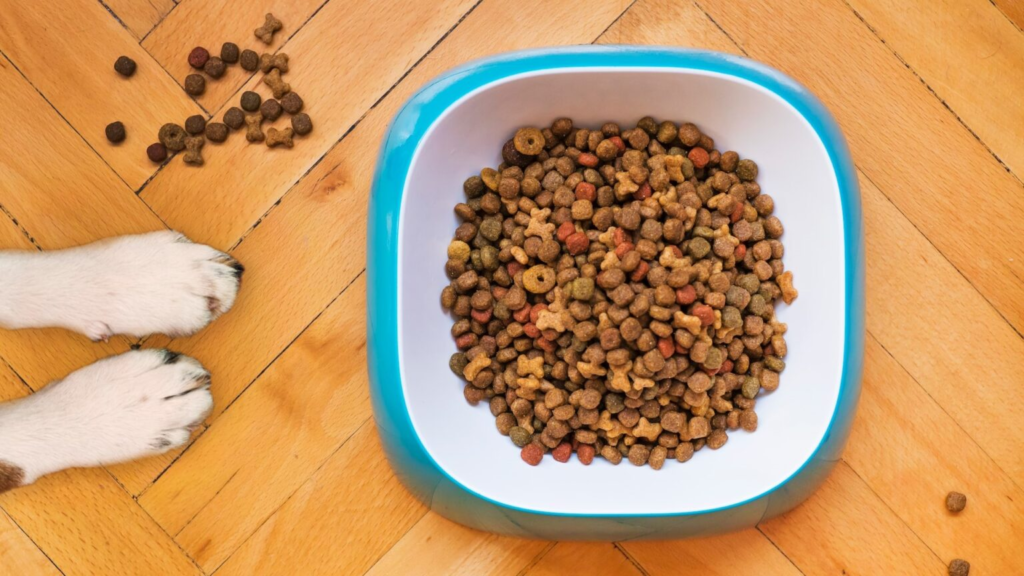
Amino Acid Balance Is Key
The most important factor is not necessarily the type of protein, but the balance of amino acids it provides. While there is no single “perfect” protein source for every situation, whole eggs are often considered a complete protein because they contain all essential amino acids required by dogs.
By combining animal-based proteins (such as meat) with plant-based protein ingredients (such as soybeans or peas), it is possible to achieve a balanced amino acid profile. Each protein source—whether fresh meat, eggs, meat meals, or legumes—contains different levels of essential amino acids. Therefore, including multiple protein sources in a diet can help ensure adequate amino acid intake.
Rotating Protein Sources
To maintain a balanced amino acid intake, some pet owners choose to rotate protein sources periodically. Research suggests that exposure to a variety of proteins and ingredients at a young age may help the gut microbiota recognize new ingredients more easily. This could potentially help reduce the risk of food sensitivities later in life.
What Are Meat Meals and Meat By-Products?
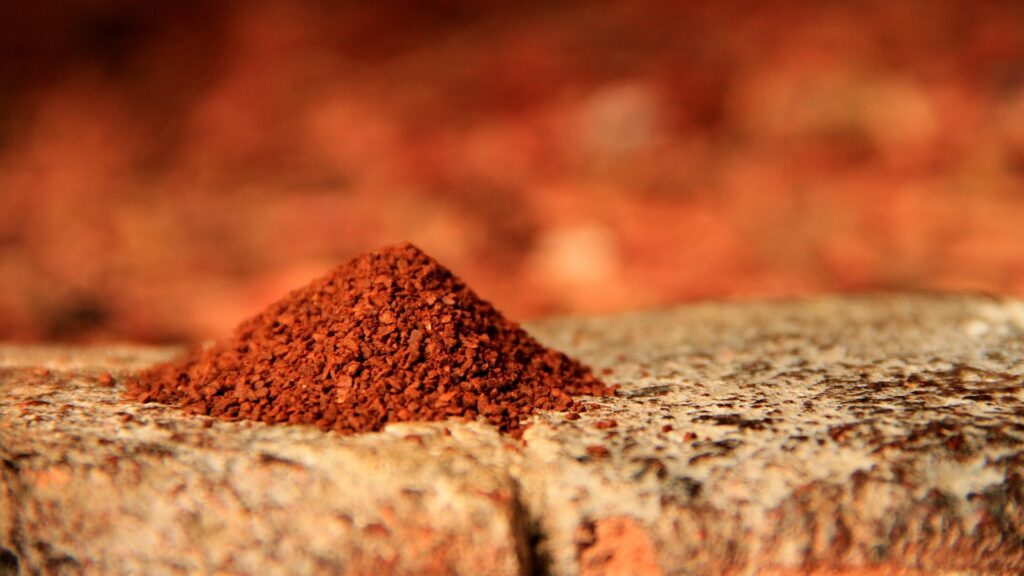
Meat Meal
Meat meal is a concentrated, dried protein ingredient derived from a single animal source. Examples include chicken meal or lamb meal. In the case of chicken meal, the ingredient contains only processed chicken material.
Meat meal is produced by cooking fresh meat, along with nutrient-rich bones and cartilage, to remove moisture and fat. The remaining protein is then concentrated, dried, and ground into a powder.
Meat By-Products Meal
Meat by-products include parts of the animal other than skeletal muscle. This may include nutrient-rich organs as well as parts such as heads and feet. Like meat meal, by-products are rendered and processed into a concentrated protein meal.
However, because by-products may consist of various anatomical parts, nutritional consistency can vary depending on the composition of each batch.
Are Meat By-Products Bad for Dogs?
When properly processed, meat by-products are safe and regulated under strict manufacturing standards in each country.
Because by-products can include highly nutritious organs such as liver, they may provide valuable nutrients. However, variability in ingredient composition can lead to differences in nutritional value from batch to batch.
Fresh Meat vs. Meat Meal
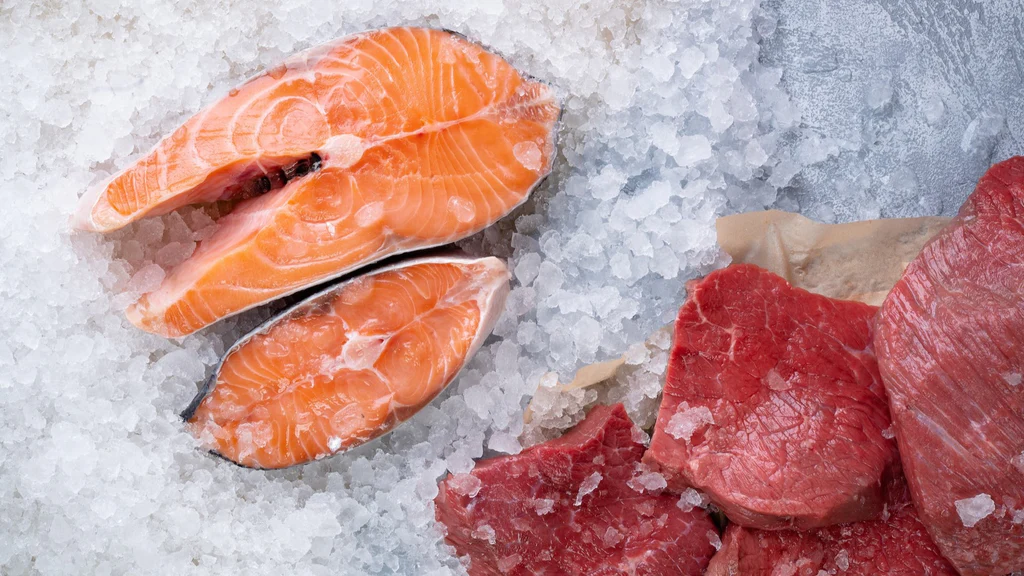
Less Intensive Processing
Meat meal can be an excellent protein source, but fresh meat offers distinct advantages. One major benefit is that fresh meat does not undergo the high-temperature rendering process required for meat meal production. It is minimally processed and cooked only once, which may help preserve nutrients and enhance palatability.
Fresh meat can also improve digestibility, making it suitable for dogs with sensitive stomachs. Additionally, it enhances flavor and texture, increasing overall acceptance by dogs.
A 2022 study published in the journal Animals found that kibble made exclusively with fresh meat contained higher levels of essential amino acids, branched-chain amino acids (valine, leucine, and isoleucine), and taurine compared to formulas made with meat meal alone or a combination of fresh meat and meal.
The study also reported higher levels of polyunsaturated fatty acids (including omega-3 and omega-6) and improved digestibility in fresh-meat formulations. These findings suggest that fresh-meat-based dog food may offer nutritional advantages.
Higher Production Cost
Despite its advantages, fresh meat typically increases production costs. Because fresh meat contains high moisture levels, more raw material is required to achieve the same protein concentration as meat meal.
To produce 1 kg of meat meal, approximately 3–5 kg of fresh meat is required due to moisture removal during processing. As a result, formulations relying heavily on fresh meat must use larger quantities to achieve equivalent protein levels, increasing overall cost.
OEM Manufacturing of Fresh Meat Dog Food in Thailand
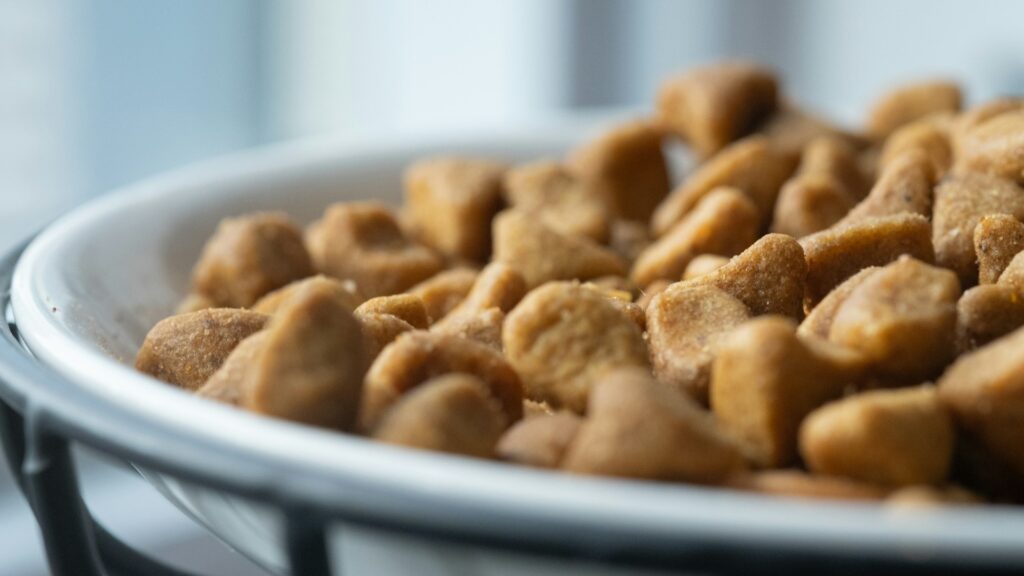
We support the development and OEM (contract manufacturing) of dog food in Thailand.
Thai OEM production can utilize fresh meat such as chicken, salmon, and turkey, as well as plant-based protein sources like eggs and legumes. This allows manufacturers to formulate products that provide all essential amino acids required by dogs.
By using high-quality fresh meat, products can be minimally processed, resulting in highly digestible dog food with strong palatability.
Below are some key advantages of OEM production in Thailand:
Thailand: A Major Pet Food Exporting Country
According to the Thai Pet Food Trade Association (TPFA), Thailand’s pet food exports reached over 65 billion baht in 2021, a 27% increase year-over-year, making Thailand the world’s third-largest pet food exporter.
The top five export destinations are the United States, Japan, Italy, Malaysia, and Australia. Demand is also increasing in Asian markets such as India, Indonesia, and Laos.
Export growth continued in 2022, with a reported 43% increase (year-over-year) as of July.
Thailand’s long-standing experience in human-grade tuna can production (approximately 20% of the world’s canned tuna is produced in Thailand) has also supported the expansion of wet pet food manufacturing.
Access to High-Quality Raw Materials
Approximately 95% of raw materials used in Thai pet food production are locally sourced. Thailand’s diverse climate supports the production of grains, vegetables, fruits, livestock, and seafood.
High-quality fresh meats and seafood (including human-grade materials) are readily available, contributing to the country’s global competitiveness.
Cost Advantages
Thailand is known for relatively competitive production costs compared to Japan and Western countries. Lower labor costs and efficient raw material procurement contribute to overall cost efficiency.
For companies developing new pet food products, this can improve pricing competitiveness while maintaining product quality.
Frequently Asked Questions
- QCan you manufacture according to our requested recipe?
- QWhat about the quality of raw materials used in Thai OEM manufacturing?
- QWhat kind of manufacturing facilities do Thai OEM factories have?
- QHow is quality control managed in Thailand?
- QHow long does it take from inquiry to product completion?
- QHow long does it take from order placement to delivery?
Contact Us for OEM Consultation

We welcome any inquiries or consultations regarding our OEM support services.
We value close communication with our clients and provide comprehensive support to ensure the success of each project.
How to Contact Us
Phone: +66 (0)61-457-4310
Speak directly with our representative for fast and efficient assistance.
Email:
Send your inquiry to our representative via email. We will respond with detailed information tailored to your needs.
Information to Prepare Before Consultation
After your inquiry, we will conduct a detailed consultation based on your interests and requirements. Please be prepared to share the following:
- Project overview
Details about the product you wish to develop and the project’s objectives. - Requirements and preferences
Specific product requirements, preferences, and budget considerations. - Schedule
Target timeline for product completion.
We value close communication with our clients and are committed to providing full support to ensure project success.
Reference:What’s the Best Protein Source for Dogs: Meat, Meat Meals or By-Products?