

 Shun Nagai
In dry dog food development, palatability is one of the most critical factors determining whether a product succeeds. Even if a formula is nutritionally excellent, it cannot deliver its intended benefits if dogs don’t find it “tasty” and refuse to eat it.
This article explains the mechanisms that shape canine palatability, based on up-to-date information and literature from advanced pet-food markets such as the United States, Europe, and Canada.
From the structure and function of taste receptors and sensory organs to palatability tendencies by ingredient type, flavor changes caused by processing, the effects of aroma and texture, and even behavioral factors (learning, memory, habits, and environment)—plus individual differences related to age, breed, temperament, and experience—this guide brings together the key points every dog food developer should understand.
How Dogs’ Taste and Smell Work
| Types of taste | sweet | salty | sour | bitter | umami |
|---|---|---|---|---|---|
| Typical sensitivity in dogs | Moderate (often preferred) | Low | High (often avoided) | High (often avoided) | Very high (preferred) |
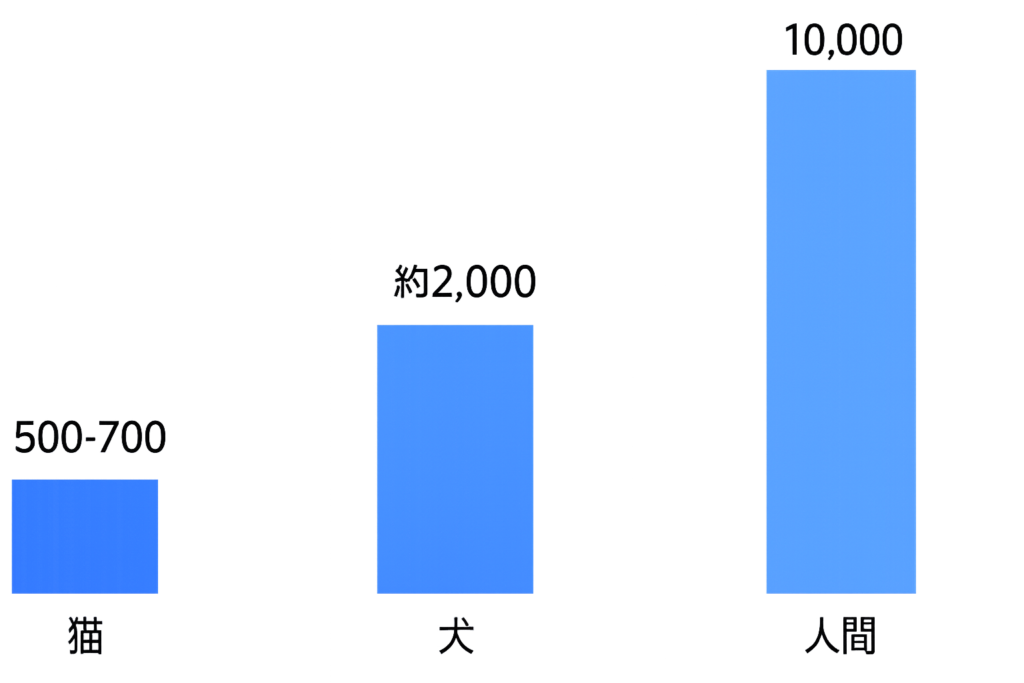
Let’s start with the physiological characteristics of canine taste and smell. Humans have about 10,000 taste buds (clusters of cells that detect taste), while dogs are said to have around 2,000—less than one-fifth of humans. As a result, dogs’ ability to distinguish tastes is more limited than ours, and they are often described as less “fine-tuned” when it comes to taste itself.
That said, dogs absolutely do perceive taste. Like humans, dogs have receptors for the five basic tastes: sweet, sour, salty, bitter, and umami.
A Taste Receptor That Responds to Water
A unique canine feature is a special taste receptor that responds to water. This receptor is present in other carnivores (such as dogs and cats) but not in humans. It is distributed toward the tip of the tongue (the part that curls when dogs lap water) and responds to water continuously, but becomes more sensitive after dogs consume salt or sugar.
This is thought to be an adaptation inherited from dogs’ ancestors, who lived primarily on prey and therefore consumed plenty of salt from meat. In exchange for relatively low sensitivity to salt, they developed a mechanism that encourages sufficient water intake after eating salty foods. In practice, dogs tend not to prefer salty flavors as much as humans do (they generally do not have strong salt cravings), while many dogs are notably “sweet-toothed.”
Dogs Like Sweetness—Unlike Cats
Unlike cats, dogs respond positively to sweetness. This is often explained as an evolutionary adaptation: wolves became more omnivorous as they learned to exploit human agricultural leftovers and fruits.
Dogs also respond to umami derived from amino acids in meat, and studies have reported that—like humans—dogs perceive umami components as pleasant. On the other hand, dogs tend to avoid bitterness and strong sourness, an instinctive response believed to help them avoid toxins and spoiled food.
Smell Matters Even More Than Taste
While dogs may be relatively less sensitive to taste compared with humans, they are highly responsive to “meaty umami” and gentle sweetness. But in reality, the most important driver of canine palatability is smell (aroma).
Dogs are said to have around 125 million olfactory receptor cells (and in some breeds even more), far exceeding the roughly 40 million in humans. Beyond simple numbers, research has suggested that dogs can detect certain odorants at extremely low concentrations—down to one part per trillion.
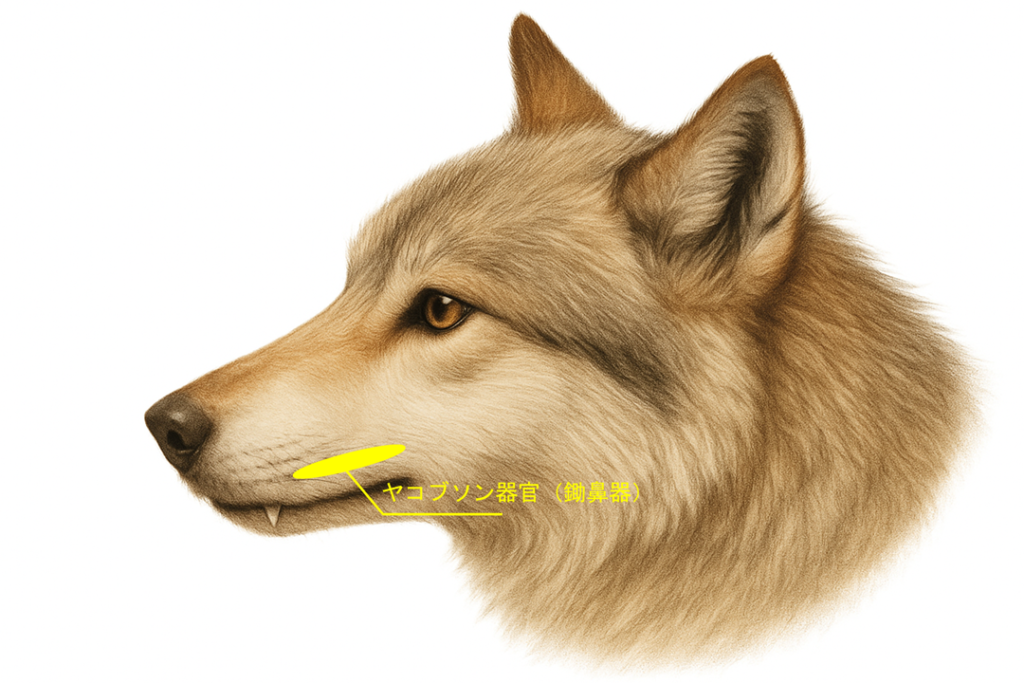
With this powerful sense of smell, dogs can effectively “smell out” flavor. They also have a specialized organ called the vomeronasal organ (Jacobson’s organ) in the upper palate, which helps bridge the functions of nose and mouth and supports odor-related perception.
Experiments also show that aroma can be a decisive factor in food preference. For example, when dogs are offered two foods that differ only in aroma, dogs tend to sniff first, choose the aroma they prefer, and then eat more of that option.
In another experiment, researchers used a double-layer bowl where the same food was provided in both bowls, but different scents were placed only in the lower layer. Dogs still clearly chose the bowl associated with the more appealing scent. In other words, odor cues alone were enough to drive food selection.
For this reason, some experts describe canine palatability as being determined in the order of: smell > texture > taste > appearance.
Palatability Tendencies by Ingredient Type
Protein Sources
The types and quality of ingredients in dry food strongly influence palatability. In general, dogs tend to prefer foods rich in animal protein and fat. Meat- and fish-based ingredients often deliver attractive flavors (umami and richness) and amino acid profiles that dogs find appealing, leading to higher palatability in many cases.
In contrast, plant proteins (such as soy or corn gluten) can be weaker in aroma and may include compounds that create astringent or “green” notes, which can reduce palatability if used without careful formulation. However, recent research suggests that plant-based ingredients may still achieve sufficient palatability depending on how they are combined.
For example, one report found that dry food in which part of the animal ingredients (such as poultry meal) was replaced with soy—up to a certain inclusion level—did not reduce dogs’ intake (palatability). This may be because low-molecular-weight sugars from soy provided mild sweetness, and moderate dietary fiber was acceptable to dogs.
Fat and Oils
Fat is essential when discussing canine palatability. In addition to being a concentrated energy source, fat dramatically increases flavor impact by adding richness and aroma. The idea that “dogs find higher-fat foods more tasty” is not only an industry rule of thumb—it is also supported by scientific findings. Fat is one of the most important contributors to improved palatability.
Conversely, bitter components can trigger strong avoidance. In low-fat, high-protein diets (such as weight management or therapeutic foods), bitterness from hydrolyzed peptides may become more noticeable, and palatability can decline.
An interesting point is that palatability can differ depending on the fat source. In one study, a blend of pork fat and beef tallow used in coating was preferred most, while using chicken fat alone resulted in lower palatability than pork fat. In another report, sunflower oil (a plant oil) showed higher palatability than chicken fat or beef tallow, possibly due to differences in fatty acid composition such as linoleic acid content.
So it is not accurate to say “animal fats are always preferred” and “plant oils are not.” Dogs’ preferences may be influenced by fat aroma and fatty acid profile. Some fatty acids—such as certain medium-chain fatty acids (MCTs)—may reduce palatability in dogs and cats. For instance, caprylic acid (C8) has been reported to decrease intake in cats. When using such fats, masking strategies may be required.
Carbohydrate Sources
Because dogs are omnivorous, they can accept gentle sweetness produced when starches (from grains or tubers) are heated and partially converted. Dogs, unlike cats, have sweet receptors and can show preference for mild sweetness. However, they tend to prefer subtle sweetness rather than strong sugar-like sweetness.
Fiber Sources
Dietary fiber in carbohydrate ingredients often works against palatability. Fiber itself has little aroma, increases bulk, and can dilute flavor intensity. In fact, an analysis of dog palatability test data over a ten-year period found a statistically significant tendency: the higher the crude fiber content of a food, the lower the preference.
This relationship between moisture, aroma diffusion, and texture also helps explain why dry foods are sometimes considered less palatable than wet foods (which are high in moisture).
That said, not all fiber is the same. Insoluble fiber increases bulk strongly, while some soluble fibers (such as beet pulp) may support gut health without greatly harming palatability, possibly because of mild sweetness or fermentation-related aroma. Optimal fiber levels should be determined based on the product’s purpose—weight management versus maintenance diets, for example.
Flavors and Palatants
Flavor additives (often called palatants) are used to reinforce aroma and taste. In commercial pet foods, palatants are commonly applied during the final stage along with fat coating, typically as powdered or liquid materials adhered to kibble.
Common palatant sources include enzymatic digests (hydrolysates) of chicken liver, fish, and other animal materials. By breaking proteins into peptides and amino acids, these digests create a “meat extract”-like ingredient rich in umami and savory depth, allowing small amounts to significantly boost palatability.
Many dry foods are coated in multiple layers: an oil/fat layer followed by a powder and/or liquid layer containing meat juices, hydrolyzed proteins, or similar ingredients. Dogs detect the aroma first, and the initial bite delivers a strong sense of umami and fatty richness—triggering the reaction of “this smells delicious!”
Other palatant materials include yeast extracts (umami from nucleotides), fermented extracts, smoke flavors, and herbs. The shared objective is to provide attractive smells and tastes for dogs.
How Processing Affects Palatability
Maillard Reactions That Create Savory Notes
Processing can influence palatability as much as—sometimes more than—ingredient selection. For dry foods, kibble is primarily produced by extrusion, a high-temperature, high-pressure cooking method. The heat and pressure during processing strongly affect flavor and texture.
High-temperature cooking promotes Maillard reactions between sugars and amino acids, generating roasted, savory aromas similar to grilled meat. Inside an extruder, materials may briefly reach high temperatures (often around 100–140°C) for seconds to tens of seconds, producing grain-toasted notes and roasted meat-meal aromas that many dogs find appealing. Appropriate Maillard products can increase palatability.
However, excessive heat can destroy nutrients (such as vitamins and unsaturated fatty acids) and can generate undesirable notes such as burnt odors and bitterness. It has been suggested that overcooked foods may lose palatability, making temperature and moisture control in extrusion a critical development parameter.
Texture Changes Through Starch Gelatinization
During extrusion, starch gelatinizes under pressure. When the product exits the die, moisture flashes off and creates a porous internal structure. This produces the characteristic crunchy, airy texture of dry kibble, which also affects palatability.
Because moisture is reduced during processing, extruded kibble typically ends up dry and firm. Hardness and density can be controlled by adjusting starch sources and levels, water addition, and drying conditions. Expansion ratio and hardness—key drivers of crunch—can be tuned based on the target dog.
For small dogs, slightly softer kibble (higher moisture retention, more fat coating, or other approaches to reduce hardness) may be preferred to reduce strain on small teeth and jaws. For large dogs, a larger kibble size with more chew resistance is often designed.
Too Much Fat Can Reduce Binding
Fat is important for palatability, but adding too much fat during extrusion can reduce ingredient binding and make shape retention difficult. It can also increase the risk of oxidation inside the extruder, harming flavor.
For this reason, much of the fat is applied after extrusion. In a rotating drum, oils (plant or animal) are sprayed onto the kibble, then flavor powders (and/or liquids) are added before packaging.
This coating technology helps fat and aroma compounds adhere efficiently to the kibble surface, creating a strong aroma release when the bag is opened. Antioxidants such as tocopherols are often used to stabilize the coated fats and help prevent rancidity (“oil burn”) during storage.
As a result, the food maintains a more appealing aroma throughout shelf life, supporting stable palatability at feeding time.
Other Manufacturing Methods
Other processing methods include oven-baked dry foods, freeze-dried raw-meat coatings, and foods that use fermentation or aging techniques.
Oven-baking typically produces a denser kibble with less expansion than extrusion—more like a hard-baked cookie. It can increase toasted aroma, but may create a product that is harder or more brittle, and it is not the mainstream method today.
Enzymatic processing and fermentation can also be used to partially break down ingredients or generate savory components before cooking. For example, incorporating hydrolysates into the pre-extrusion mix may reduce fishy odors, deepen richness, and potentially balance allergen reduction with palatability improvement.
One report found that adding fish protein hydrolysate to dry food improved feeding preference compared with a control diet, suggesting that enzymatic technologies can be valuable not only for function but also for flavor.
The Impact of Aroma and Texture
Aroma
As discussed, canine palatability is strongly driven by aroma. Dogs typically approach food, sniff it, assess safety, and only then begin eating. If a food has weak aroma or an unpleasant odor, dogs may reject it before tasting.
Conversely, a strong and pleasant aroma can increase interest even if taste is not outstanding. Wet foods are often more palatable than dry foods partly because aroma is easier to release from high-moisture products.
This is why dry food developers invest heavily in maximizing aroma impact: increasing animal protein ratios, using herbs or spices, applying flavored oils, and recommending warm water soaking to amplify aroma at feeding time.
For senior dogs or dogs with reduced appetite, simply warming the food for a few seconds in a microwave can increase aroma release and improve eating. This works because higher temperature increases volatilization of aroma compounds—an especially effective strategy for dogs whose appetite is strongly smell-driven.
Texture
Texture also affects preference. Dogs and cats are often said to like crunchy textures, and the ideal kibble provides a satisfying “crisp break” that is neither too hard nor too powdery. Commercial foods commonly aim for a specific bite profile through kibble shape, moisture, and density design.
If kibble is too hard, small dogs or senior dogs may take too long to chew, may experience dental strain, and may avoid the food. If kibble is too soft or easily crumbles into powder, it may provide less satisfaction.
Hardness is therefore adjusted according to breed size and age, and products may be differentiated as “crisp-focused for small dogs” versus “chew-focused for large dogs.” Kibble size and shape also matter. Many patents claim improved intake with specific shapes.
One study reported that in dogs under 10 kg, kibble shape (cross-shaped vs round) did not change preference, while dogs over 10 kg clearly preferred cross-shaped kibble. The mechanism is unclear, but it may relate to differences in chewing behavior influenced by size, breed, or familiarity.
In any case, size, shape, and hardness influence not only physical ease of eating but also psychological preference. Developers typically validate these factors through sensory checks (human handling assessments) and controlled palatability testing with dogs.
Behavioral Factors: Learning, Memory, Habits, and Environment
Early-Life Experience
Palatability is shaped not only by innate senses but also by experience. Early exposure can influence long-term preferences. Several studies suggest that puppies exposed to a variety of flavors and ingredients during weaning are less resistant to novel foods later (higher acceptance of new foods).
Puppies tend to explore and learn what is edible and are often more “novelty-seeking.” As they mature, dogs may develop neophobia—caution toward unfamiliar foods. Even in adult dogs, those with broader flavor experience may accept new foods more readily than dogs that have eaten only one food for a long time.
This effect is significant enough that manufacturers designing palatability tests often control for prior exposure so test dogs are not overly habituated to a specific flavor profile.
Negative Experiences
Dogs can also form negative associations. If a dog becomes sick (nausea, vomiting) after eating a food, it may develop conditioned taste aversion and avoid that food afterward.
In experiments where nausea was induced by adding lithium salts to food, both dogs and cats later avoided the food. Reported species differences suggest dogs may learn more slowly but forget more quickly, while cats learn quickly and retain avoidance longer.
Even if dogs do not hold aversions as strongly as cats, negative experiences still matter. If food has gone rancid and causes vomiting, or if bitter medicine was mixed into the food, some dogs will temporarily avoid it. In such cases, allowing time to pass or mixing with preferred foods can help overwrite negative associations.
Environmental Factors
Environment can influence feeding behavior. Research has shown that owner behavior can affect dogs’ choices. While dogs may instinctively choose the bowl with more food, an experiment found that if an owner deliberately showed interest in a bowl containing less food, dogs were more likely to choose that bowl—especially when both bowls contained only small amounts.
This highlights how sensitive dogs are to human gestures and emotions, and suggests that the owner’s attitude can influence feeding behavior. Reports like “my dog only eats what I recommend” are not necessarily imagination.
Social Factors
In multi-dog households, the presence of other dogs can also change feeding. In puppies, eating together can increase intake through social facilitation. In adult dogs, feeding in a group can lead to dogs finishing food they might otherwise leave, or showing increased interest in what another dog is eating.
There are also reports of social learning: by sniffing another dog’s breath, a dog may learn that a certain food is safe and appealing, and then eat more readily when that food is offered later.
Seasonal and Climate Effects
Season and climate can affect appetite. Many observations suggest dogs eat less in hot seasons and more in cold seasons. A survey in Europe reported that calorie intake tends to increase in autumn and winter and decrease in spring and summer in dogs and cats.
This is often interpreted as a natural adaptive response to maintain body weight and energy balance. Some dogs even show a cycle of gaining weight in winter and losing appetite in summer.
However, there is limited evidence that seasons fundamentally change “which foods dogs prefer.” In practice, dogs usually still like what they like regardless of season—seasonal effects are better considered as changes in intake volume.
Humidity may also affect smell perception. In hot, dry conditions, nasal mucosa can dry out and reduce odor detection efficiency, potentially lowering appetite. Conversely, higher humidity (such as after rain) can enhance odor transmission, which may increase odor-driven behaviors and could potentially increase perceived food aroma as well.
Individual Differences: Age, Breed, Temperament, and Experience
Finally, palatability varies by individual dog. Age, breed, sex, temperament, and life experience can all contribute.
Age
Age-related differences are relatively clear. Puppies often show strong appetite and are more willing to try new foods. Senior dogs may experience declines in smell and taste sensitivity and may become less willing to accept unfamiliar foods.
Studies have reported reduced responsiveness to odor and taste in senior dogs, likely due to age-related sensory changes. As a result, warming the food to enhance aroma or adding moisture to soften texture is often recommended for older dogs.
Even within senior dogs, differences are large. Some continue to eat enthusiastically, while others become picky. This may be influenced by sensory decline severity, oral health, activity level, and changes in hunger signals.
Breed
Breed differences in palatability are not fully established, but there are some hypotheses. Brachycephalic breeds (such as pugs and bulldogs) may have reduced olfactory capacity due to nasal structure, making aroma-based appetite stimulation less effective and increasing reliance on taste and texture.
Dolichocephalic breeds (such as shepherds and retrievers) may have sharper smell sensitivity and may be more cautious about novel odors. Overall, however, the academic consensus is that clear breed-level differences in palatability remain insufficiently understood.
Selective breeding may also have influenced feeding behavior. Beagles and Labradors are known for strong food motivation, while one report suggested that boxers showed lower palatability scores under certain test conditions. Still, these findings depend heavily on study design and do not allow broad generalizations. Individual variation is often greater than breed-level trends.
Sex
Sex differences are generally considered small. Some research suggests females may show higher olfactory activity, and reproductive or hormonal states may alter appetite and preferences (for example, during pregnancy).
Neutering/spaying can also affect metabolism and feeding behavior. Some argue that reproductive status may matter more than sex alone. In some studies, males and females did not differ significantly in palatability outcomes, but differences emerged when comparing intact males with spayed females.
Temperament
Temperament can subtly influence palatability. Cautious dogs may take longer to try new foods and may hesitate more strongly after a negative impression. Curious, food-motivated dogs may try new foods quickly if the smell is appealing.
There are also individual differences in “food drive.” Dogs that do not respond well to food-based training may simply prefer other rewards (such as play), reflecting weaker interest in food overall.
While temperament is difficult to quantify in the literature, it is an important practical factor that developers should keep in mind.
Experience
Experience can strongly shape preference. Dogs frequently given table scraps may find standard dry food less stimulating and may seek stronger flavors.
Many “picky eater” cases involve dogs who have learned that tastier alternatives will be offered. The American Kennel Club (AKC) has also pointed out that smart dogs may refuse regular food if they know their owner will provide a substitute treat.
Experience can reshape palatability for better or worse, and dogs’ preferences can be influenced significantly by how humans feed and interact with them.
Summary: Understanding Canine Palatability
We have reviewed canine palatability mechanisms from multiple angles. Dogs have sensory systems different from humans, and smell—more than taste—dominates their food experience.
In terms of ingredients, dogs often prefer animal-based components like meat and fat, while bitterness and excessive fiber tend to reduce acceptance. Processing—especially extrusion and heating—changes flavor and texture; well-designed coating technologies and aroma application are essential for improving palatability.
Foods that deliver strong aroma and an appealing texture are attractive to dogs, while weak-smelling or overly hard products may be avoided. Behavioral factors such as learning and environment are also important: early experiences, owner feeding habits, and the dog’s surroundings can significantly shape food preference.
By considering age- and breed-related differences while acknowledging large individual variability, and by closely observing what dogs respond to and avoid, developers can create dry dog foods with stronger palatability and greater product success.