

 Shun Nagai
Freeze-dried dog food is an attractive product because of its high nutritional value and the reassuring level of quality it offers. In particular, products made in New Zealand have become highly popular in the pet food industry due to their premium ingredients and strict manufacturing standards.
In this article, we will explain the basics of freeze-dried food, New Zealand’s OEM manufacturing environment, and its competitive advantages over OEM production in other countries.
For companies aiming to commercialize their own brand products, developing New Zealand-made freeze-dried dog food through OEM manufacturing is an important opportunity to expand business potential.
What Is Freeze-Drying?

The origins of freeze-drying can be traced back to the ancient Inca Empire. It is said that indigenous people in the Andes developed a preservation method for making chuño, using the region’s extreme temperature differences between day and night. By repeatedly freezing potatoes, squeezing out moisture, and sun-drying them, they created a technique that allowed potatoes to be preserved for long periods.
Later, during World War II, freeze-drying technology was also used to preserve blood plasma and penicillin. As for commercial freeze-dried foods, production is often said to have begun with instant coffee introduced by Nescafé in 1938.
Modern Freeze-Drying Technology
Freeze-dried food is made by freezing ingredients below their freezing point (or eutectic point) in a freeze dryer, then removing the moisture through sublimation while keeping the product in its frozen state. In other words, rather than simply drying the food, the process involves freezing it first and then drying it under vacuum.
To explain in a little more detail, the ingredients are first frozen so that the moisture turns into ice (solid). Then, by reducing the pressure with a vacuum system, the ice can be converted directly into water vapor (gas) at a very low temperature, without passing through the liquid stage. This process is called sublimation. The water vapor generated during sublimation is captured by a cold trap, where it condenses, freezes, and adheres to the inner wall of the machine.
Because this freeze-drying process removes moisture from the ingredients, the finished product contains very little water. Guaranteed analysis typically shows moisture levels of around 5–10%, whereas frozen raw meat contains more than 70% moisture. However, most of the nutrients in the ingredients are retained.
Why Freeze-Dried Food Is So Nutritious
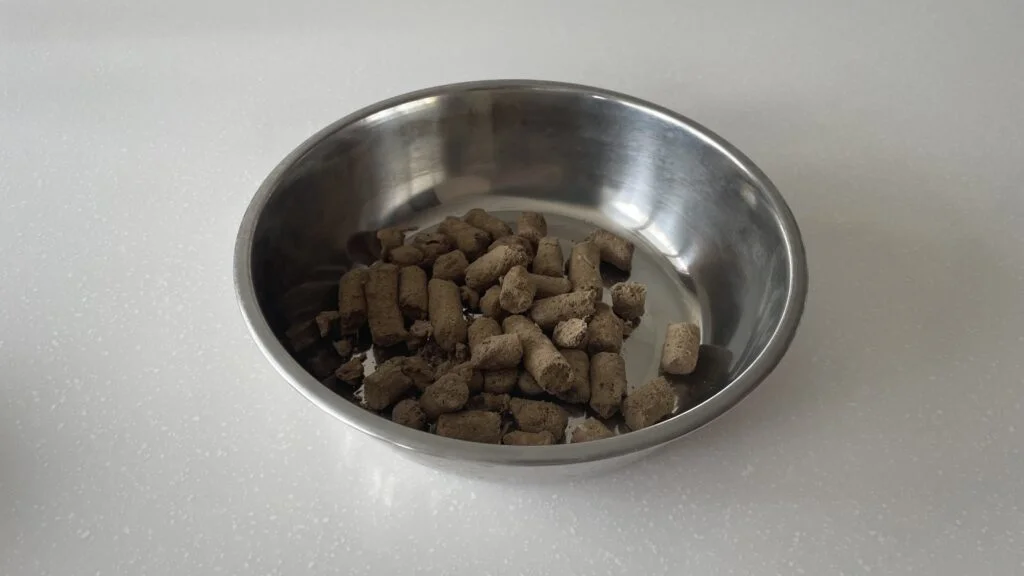
Here, we explain why freeze-dried food is considered more nutritious than most other types of food, except frozen food.
The Ingredients’ Natural Nutrients Are Preserved
Freeze-drying does not denature nutrients in the same way conventional cooking does. Just as you cannot turn a cooked omelet back into a raw egg, ingredients used in dry dog food cannot be restored to their original state once they have been processed. With typical cooking methods, proteins and other nutrients are altered, and some of the ingredients’ original nutritional value is lost.
By contrast, freeze-dried food preserves proteins, amino acids, and many other nutrients in a form very close to raw food. Other important components such as enzymes, fats, and probiotics are also largely retained.
One nutrient that can decrease during freeze-drying is vitamin C. However, this is generally not a major concern, because dogs and cats are able to synthesize vitamin C on their own. Therefore, it is not something they necessarily need to obtain in large amounts from their regular diet.
A Natural Food Without Additives
Manufacturers that produce and sell freeze-dried food tend to set themselves apart from dog food manufacturers that use low-nutrient ingredients such as starches to cut costs. To provide safe and nutrient-rich recipes, they mainly use natural foods.
For example, studies have shown that pasture-raised livestock, which do not need artificial hormones, grain-based feed, or other synthetic additives, can produce beef containing 30–40% more conjugated linoleic acid (CLA)—a compound associated with anti-cancer effects and weight management—than beef from cattle fed primarily on grain.
Free-range chicken has also been shown to contain less fat and fewer calories, while eggs from such systems may contain less fat, more vitamin A, and higher levels of omega-3 fatty acids.
Freeze-dried food is expensive and certainly not cheap, but because it is typically made with high-quality natural ingredients, it results in a highly nutritious product.
Advantages of Freeze-Dried Food
Freeze-dried dog food offers not only excellent nutritional value, but many other benefits as well.
Highly Palatable and Texture Can Be Adjusted
The freeze-drying process preserves much of the natural nutrients and flavor compounds originally present in the ingredients. Because almost all moisture is removed, the food can be fed as-is, allowing dogs to enjoy the concentrated flavor of the ingredients.
In addition, the unique crisp texture of freeze-dried food can enhance palatability. On the other hand, adding water softens the texture, allowing owners to adjust it to suit their dog’s preferences.
Long Shelf Life
Freeze-dried food preserves not only nutritional value and palatability, but can also be stored for at least one year. Some products can even last up to around five years. This is because freeze-dried foods contain very little of the moisture that microorganisms need in order to survive.
However, once opened and exposed to air, most products are generally recommended to be consumed within 1–3 months.
Excellent Digestibility
Freeze-dried food has also been reported to offer excellent protein digestibility. With high-quality ingredients and minimal heat processing, it can be gentler on the stomach and easier to absorb.
As a result, dogs that eat freeze-dried dog food may produce lower levels of ammonia and other harmful substances in their stool from undigested protein, and may also experience fewer digestive issues such as diarrhea.
Convenience Through Light Weight
Compared with raw meat, which requires refrigeration or freezing, freeze-dried food offers convenience similar to dry dog food. For example, if you are traveling with your dog, freeze-dried food is extremely easy to carry because the moisture has been removed and it is very lightweight.
There is also no need to pack a large cooler in the car to prevent frozen food from thawing and spoiling during transport. Because it is so light, dogs can even carry their own food in a backpack.
The One Major Drawback of Freeze-Drying
If there is one major downside to freeze-dried food, it is the manufacturing cost. Freeze-dried products sold in stores are noticeably more expensive than kibble and many other types of pet food. Why are they so expensive?
One reason is the use of premium ingredients, but the freeze-drying process itself is also costly. This is largely because production takes a very long time. A single batch of freeze-dried food takes about two days to produce.
If production time is shortened, some moisture may remain in the food, which would compromise important freeze-dried benefits such as light weight and long shelf life. On the other hand, because freeze-dried food tends to be high in protein and fat, the daily feeding amount can be lower than that of regular dry dog food, as shown below.
| For a 5 kg Dog | New Zealand Freeze-Dried Food | Canadian Dog Food |
|---|---|---|
| Feeding Amount | 40 g | 90 g |
| Retail Price | ¥21,414 / 1.8 kg | ¥8,800 / 2.0 kg |
| Daily Feeding Cost | Approx. ¥476 | Approx. ¥396 |
Even so, daily feeding costs still tend to be higher than those of ordinary dog food. However, considering the many benefits of freeze-dried dog food discussed above, it may not be as expensive as it first appears.
Safety of Freeze-Dried Food
One important point in manufacturing freeze-dried food is that, as with raw food, high-quality ingredients must be used. If that is the case, there should be little concern about harmful bacteria being present in freeze-dried dog food.
Dogs and cats are generally more resistant to bacteria than humans. As carnivores, their stomach acid has a pH of around 1–2, which is highly acidic, so most bacteria that would make humans sick do not affect dogs and cats in the same way. For example, a dog that eats leftovers found on the ground during a walk does not necessarily become ill. In the wild, they may even consume carcasses.
However, many manufacturers still use High Pressure Processing (HPP) for freeze-dried foods. HPP became more widely used after the U.S. Food Safety Modernization Act began to apply to pet food as well.
As a result, many pet food manufacturers have been forced into costly and unnecessary recalls. For this reason, most manufacturers now use HPP, so it is fair to say that concerns about bacterial contamination are minimal.
As the name suggests, High Pressure Processing is a sterilization method that eliminates pathogens by applying very high pressure to food. However, it is not considered conventional food processing, and studies suggest that it causes only minimal nutrient loss.
Difference Between Freeze-Dried and Air-Dried Food
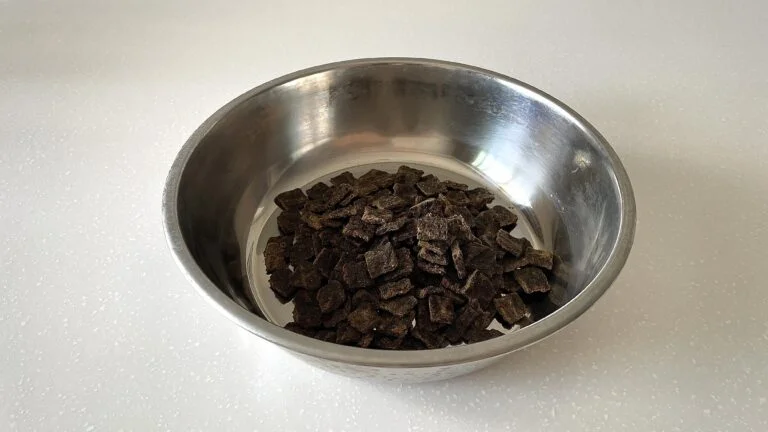
The biggest difference is that freeze-dried food retains nutritional value much closer to raw food. In the case of air-dried food, heat is applied, so some nutritional value is inevitably lost. Freeze-dried food may sound similar to dried food, but this is a clear point of distinction.
Air-drying is generally a technique used to remove moisture from ingredients. However, heat is used in the process. Some manufacturers claim that air-dried food is not cooked, but in reality it is cooked at low temperatures. As a result, the structure of the food changes, and some of its original nutrients are lost.
Most companies do not disclose the exact temperature used in air-dried food production, but foods marketed as air-dried are generally processed at around 60–80°C. Therefore, air-dried food is clearly different from raw or freeze-dried food.
On the other hand, one advantage of air-dried food is that, because heat is used, the risk of bacterial contamination is lower than with raw or freeze-dried food.
Key Points and Precautions When Manufacturing

When producing freeze-dried dog food, care must be taken to preserve nutritional value comparable to raw food. Otherwise, the advantage of using freeze-drying is significantly reduced.
It Must Provide Complete Nutrition
If you plan to develop freeze-dried food as a complete and balanced diet, make sure the product can be manufactured in compliance with AAFCO or FEDIAF standards.
This is important because many freeze-dried foods are developed and manufactured as toppers rather than complete diets. To avoid misunderstandings, it is essential to maintain close communication with the manufacturer in advance.
Careful Selection of Ingredients
To produce high-quality freeze-dried food, consider the following types of ingredients:
- High-quality animal protein as the main ingredient, such as meat, poultry, or fish
- GMO-free, organic, or natural foods
- Organ meats such as liver, heart, kidneys, pancreas, and spleen
- Bone or bone meal for calcium
- Omega-3 fatty acids:
These are usually found in ingredients such as fish oil, flaxseed, chia seeds, or hemp seeds. Most freeze-dried foods contain these kinds of oils. - Vegetables and fruits:
Ideally organic, with a preference for low-starch varieties - Other additives:
Some foods contain additives such as probiotics, kelp, or apple cider vinegar. Look for natural, food-based additives.
Ingredients to Be Cautious About
There are also several ingredients that should ideally be avoided in freeze-dried food manufacturing.
Added Vitamins and Minerals
In principle, the nutrients naturally present in the ingredients should be sufficient for freeze-dried food. Therefore, if a manufacturer’s proposed ingredient list includes added vitamins or minerals, it may indicate that the raw ingredients themselves are nutritionally weak.
It is also important to check whether taurine is being added. Most meats and organ meats naturally contain abundant taurine, so additional taurine should not normally be necessary.
High Fat Content
Some freeze-dried foods contain very high fat levels. Fat is an important nutrient for dogs, but an appropriate fat content in dog food is generally around 10–20%. Excessively high fat levels can compromise the balance of other important vitamins and minerals, so formulas containing more than 30% fat are best avoided.
Starch Content
A highly nutritious freeze-dried dog food does not need to contain large amounts of starchy ingredients. Determine the appropriate amount of starch in consultation with the manufacturer and veterinarians.
- Legumes Such as Chickpeas and Lentils
These may contain potentially harmful lectins. - Grains Such as Wheat, Corn, Oats, Soy, and Quinoa
These should also be approached with caution. - Potatoes, Sweet Potatoes, and Cassava
These are other ingredients worth avoiding or limiting. - Sweet Root Vegetables Such as Carrots
These may also contribute excess carbohydrates. - Substitutes Such as Chickpea Flour and Pea Flour
These should also be carefully evaluated. - Fruits in the Squash Family
Winter squash varieties such as butternut squash are said to contain two to three times more carbohydrates than summer squash varieties such as zucchini.
New Zealand’s OEM Manufacturing Environment
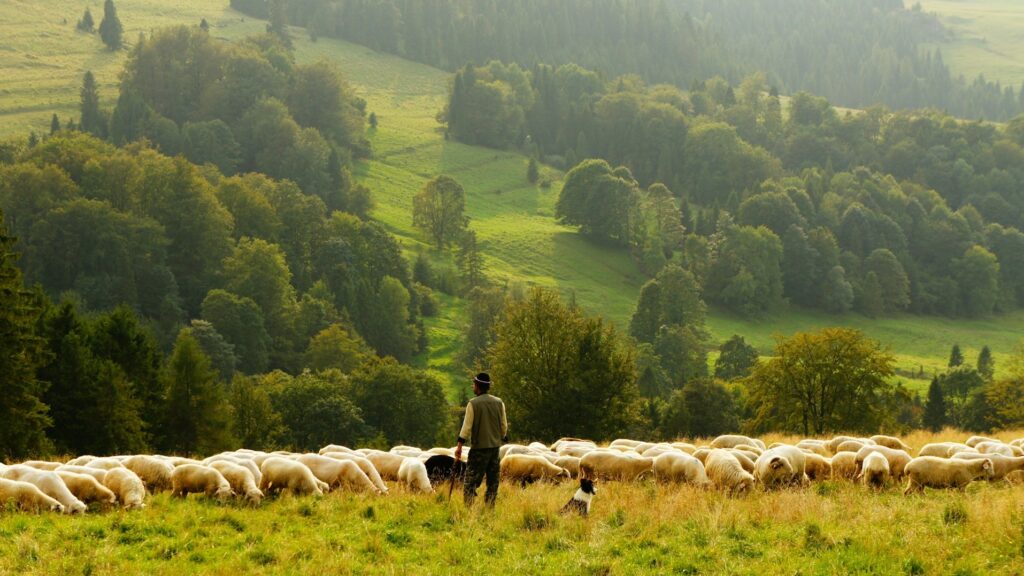
Ingredients from New Zealand are known worldwide for being among the highest quality available, making the country an ideal place to manufacture freeze-dried dog food. To understand why, let us take a closer look at New Zealand’s OEM manufacturing environment.
Pasture-Based Livestock Farming in New Zealand
New Zealand is known for its vast grasslands, fresh air, and lush natural environment. The country is globally recognized for fresh livestock products and diverse, creative cuisine. As a leading dairy nation for sheep and cattle, it is also well known for producing excellent cheese and ice cream.
New Zealand also offers many other outstanding agricultural products, including manuka honey, avocado oil, and seasonal fruits and vegetables. The exceptional flavor of New Zealand ingredients contributes greatly to the production of premium food and beverage products on a global scale.
This strong reputation is not limited to human food. It also plays a major role in the production of super-premium pet food made in New Zealand.
Thanks to highly advanced pasture-based livestock farming carried out on large-scale ranches, New Zealand has also remained free from BSE (commonly known as mad cow disease), a fatal disease that affects the central nervous system of cattle and can cause aggressive behavior or depression.
The combination of top-quality ingredients and strict regulatory requirements for pet food manufacturing shows that New Zealand has established itself as a benchmark for producing super-premium pet food.
Ingredients Nurtured by Nature
New Zealand’s unique combination of environmental conditions—mild climate, high rainfall, low population density, clean water, and fertile pastureland—helps create ingredients with exceptional freshness and flavor.
In addition, New Zealand’s Animal Welfare Act and pasture-based livestock systems require cattle, sheep, and deer to be raised in natural environments. Animals raised this way are free to move around and do not have to be confined in cramped facilities or routinely given antibiotics.
Pasture-raised livestock also do not require artificial hormones, grain-based feed, or other synthetic additives. As a result, studies have shown that beef from pasture-raised cattle contains 30–40% more conjugated linoleic acid (CLA)—associated with anti-cancer effects and weight management—than beef from cattle primarily fed grain.
Free-range chicken has also been shown to contain less fat and fewer calories, while eggs tend to contain less fat, more vitamin A, and higher levels of omega-3 fatty acids.
Food Safety Standards
The most important priority for New Zealand is food safety for consumers. Accordingly, the country takes extensive measures to achieve very high food safety standards, including preventing the introduction and spread of pathogens and disease in livestock and crops, as well as closely managing animal behavior and feeding practices.
In addition, New Zealand is recognized by the World Organisation for Animal Health (WOAH) as a country free from major animal diseases, and it has also achieved a high level of food traceability.
Food traceability means being able to track food ingredients back to the supplier. This not only ensures food safety but also helps prevent the widespread distribution of contaminated food sources.
Strict Regulations for Pet Food Manufacturing
Pet food manufacturers in New Zealand must comply with two strict laws established by the government: the ACVM Act and the APA.
Under the ACVM Act of 1996, the Agricultural Compounds and Veterinary Medicines Group of the New Zealand Food Safety Authority (NZFSA) regulates the registration of agricultural compounds and veterinary medicines, the monitoring of imported foods, and the manufacturing, sale, and use of these products.
In addition, the Animal Products Act (APA) of 1999 established a risk management system that requires all pet food products traded and used in New Zealand to be “fit for their intended purpose” by meeting New Zealand’s animal product standards.
These strict laws help ensure that carefully selected pet food manufacturers operate in sanitary environments and produce pet food with high food safety standards using nutrient-rich ingredients.
Competitive Advantages Over OEM Manufacturing in Other Countries

OEM manufacturing in New Zealand offers many competitive advantages compared with production in other countries.
Lower Geopolitical Risk
New Zealand is located in a region with relatively low geopolitical risk. For example, products manufactured in the Netherlands or the United Kingdom are generally transported to Japan via the Suez Canal and the Red Sea in the Middle East. However, these regions have experienced disruptions such as blockades and attacks on container ships, making them vulnerable when political tensions rise.
By contrast, shipping routes from New Zealand can avoid these geopolitical risks. Because access to Japan is more direct, transportation-related risk is reduced, allowing companies to build a safer supply chain.
Shorter Shipping Lead Times
Shipping from New Zealand to Japan takes less time than shipping products manufactured in the UK or the Netherlands. In general, transport from Europe to Japan takes about 60 days, while shipping from New Zealand to Japan takes about 30 days—roughly half the time.
This allows products to be brought to market more quickly, making it easier to respond to fluctuations in demand. Shorter lead times also improve inventory management efficiency and can help reduce operating costs.
Improved Cash Flow
Shorter shipping lead times also contribute to better cash flow. When products reach the market more quickly, sales can be generated sooner and capital can be recovered faster.
With manufacturing in the UK or the Netherlands, the shipping period of about 60 days tends to lengthen the cash flow cycle. By contrast, shipping from New Zealand, at around 30 days, effectively cuts that issue in half.
As a result, companies can manage cash flow more efficiently and support business growth.
Environmental Regulations and Sustainability
Compared with many other countries, New Zealand places especially strong emphasis on sustainable livestock farming and dog food manufacturing. Environmentally conscious production is highly appealing in the Japanese market, where environmental awareness continues to grow. This can also enhance brand image and serve as a key point of differentiation from products made elsewhere.
Quality Trusted by Consumers
Dog food made in New Zealand is highly regarded in global markets for its quality and safety. In particular, products that meet strict food safety standards are more likely to earn consumer trust, which is an essential factor in establishing competitive advantage.
Inquiries and Consultation

At our company, we introduce the most suitable partners from among multiple OEM manufacturers in New Zealand according to each customer’s needs.
Please feel free to contact us with any questions or inquiries regarding our OEM support services.
Main Product Categories We Handle
- Dry dog food
- Freeze-dried raw dog food
- Dry cat food
- Freeze-dried raw cat food
- Dog treats
- Cat treats
- Air-dried pet food
- Retort products
How to Contact Us
Phone: +66 (0)61-457-4310
You can call our representative directly. Phone support is the fastest way to receive quick answers and the information you need.
Email:
You can send an inquiry email to our representative’s email address. We will respond with detailed answers to your questions and requests.
What We Would Like You to Prepare
After receiving your inquiry, we will discuss the details based on your interests and needs. At that stage, we would like to ask about the following:
- Project Overview
Please tell us about the product you would like to develop and the purpose of the project. - Requests and Preferences
If you can share any specific product requirements, preferences, and budget, we will be able to make a more concrete proposal. - Schedule
Please let us know your target completion date and overall schedule for the product.
We value close communication with our customers and will provide the fullest possible support to help make your project a success.