

 Shun Nagai
Air-dried dog food is an attractive product category thanks to its high nutritional value and reassuring product quality. In particular, products made in New Zealand have gained popularity in the pet food industry because of the country’s premium ingredients and strict manufacturing standards.
In this article, we explain the basics of air-dried dog food, New Zealand’s OEM manufacturing environment, and the competitive advantages it offers over OEM production in other countries.
For companies aiming to launch their own brand, developing New Zealand-made air-dried dog food through OEM manufacturing can be an important opportunity to expand business potential.
What Is Air-Dried Dog Food?
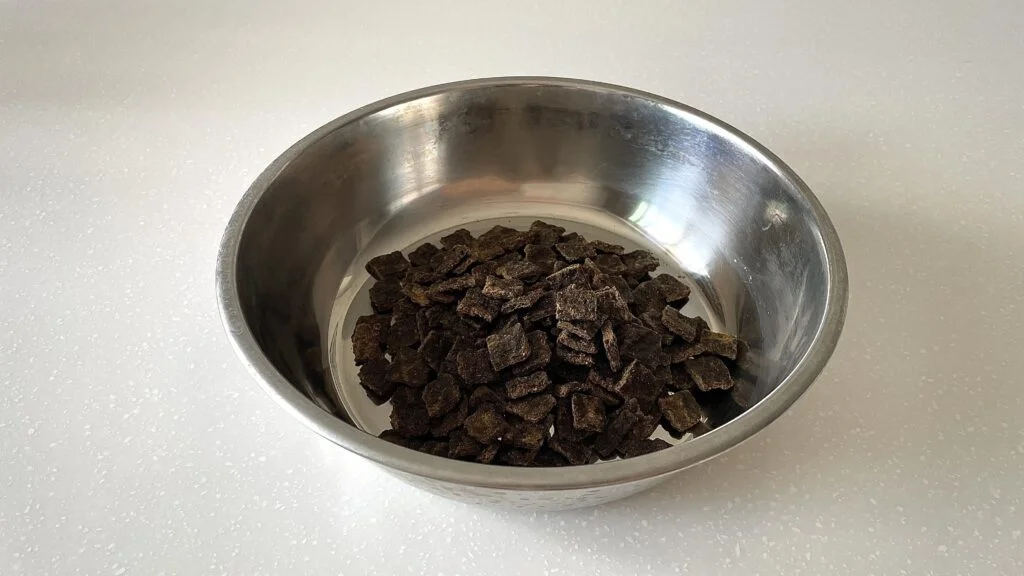
For many pet owners, kibble (dry dog food) is the standard choice. However, air-dried dog food has been gaining attention as an alternative that combines much of the nutritional value of raw food with the convenience and simplicity of dry food.
Because air-dried dog food is not cooked at high temperatures, it can better preserve the nutrients and natural flavor of raw meat, fresh vegetables, and fruits. For this reason, high-quality and natural ingredients are commonly used in air-dried formulas.
As a result, premium air-dried dog food can provide essential nutrients for dogs, including protein, vitamins, and minerals naturally derived from the ingredients themselves, often without relying on artificial additives.
How Air-Dried Dog Food Is Made
First, fresh raw meat, vegetables, fruits, and other ingredients are blended into a minced mixture. This mixture is then placed in a drying chamber where warm air continuously circulates, allowing moisture to evaporate gradually. Through this process, the moisture content of the final air-dried product is reduced to around 10–12%.
Unlike conventional canned food or dry dog food, which is cooked at high temperatures, air-drying uses low heat over a longer period of time. This helps preserve heat-sensitive nutrients such as vitamins while also eliminating harmful pathogens.
According to veterinary surgeon Dr. Linda Simon (MVB MRCVS), “Air-dried dog food retains most of its nutrients and enzymes and can be used as an organic complete diet. In addition, the drying process removes bacteria from raw ingredients and can help prevent food poisoning.”
Benefits of Air-Dried Dog Food
Retains More of the Ingredients’ Natural Nutrients
As mentioned above, many air-dried dog foods are made with premium or naturally derived ingredients. Examples include cage-free chicken raised without antibiotics, grass-fed beef, wild-caught fish, flaxseed, carrots, pumpkin, cranberries, and apples. These natural ingredients provide the protein, fat, vitamins, and minerals dogs need for good health.
Conventional dry dog food is typically made by extrusion and then baked at temperatures of around 180°C, a process known to significantly reduce the nutritional value of raw ingredients.
By contrast, air-dried food is typically processed at approximately 60–80°C, which helps minimize the loss of heat-sensitive nutrients such as vitamins A, C, and E, B vitamins, antioxidants, omega fatty acids, and the amino acid lysine. As a result, air-drying allows dogs to benefit more directly from the ingredients’ naturally occurring nutritional value.
Another major advantage of air-dried food is that it can preserve the natural flavor and nutrition of ingredients without the use of artificial preservatives. This can be especially beneficial for dogs with certain allergies or sensitivities.
Ideal for Dogs With Digestive Issues
Air-dried dog food is often considered closer to the raw diet consumed by dogs’ wild ancestors. Compared with highly processed dry dog food, it is generally easier for dogs to digest and may help reduce gastrointestinal health risks.
In addition, the air-drying process helps break down proteins and carbohydrates in the ingredients, making them easier for dogs to digest. This can be especially helpful for dogs with sensitive stomachs or digestive concerns.
Some air-dried dog foods also include ingredients such as flaxseed, which are specifically chosen to support gut flora and maintain intestinal health.
Highly Palatable Thanks to the Ingredients Themselves
Because air-drying preserves the natural flavor of the ingredients, it results in dog food that is highly appealing to dogs. This is a major advantage not only for dogs with discerning tastes, but also for their overall health.
Highly palatable air-dried food can be a valuable option for dogs whose appetite has declined due to illness, as well as for picky eaters. This helps ensure they consume the calories, vitamins, minerals, and nutrients they need.
A more enjoyable mealtime experience can also make feeding time more positive, helping strengthen the bond between pets and their owners.
A Natural Food Without Additives
Manufacturers that sell air-dried dog food clearly distinguish themselves from brands that cut costs by using low-nutrient ingredients such as starches.
To provide safe and nutritious recipes, these companies typically use natural foods and are also proactive about disclosing ingredient information. One of the true strengths of air-dried food is that the companies producing and selling it tend to prioritize dogs’ health.
Of course, air-dried food is expensive and not a low-cost product. However, it offers a fresh, protein-rich diet while providing strong support for canine health.
Many air-dried brands also provide detailed information about the origin of ingredients, product quality, and the manufacturing process, which tends to give pet owners greater confidence when purchasing.
Long Shelf Life and Everyday Convenience
Air-dried dog food offers pet owners both convenience and long shelf life. Its soft, pliable texture also means it does not need to be rehydrated before feeding, reducing preparation time.
Because air-dried food stores well for extended periods, owners can buy in bulk without worrying as much about expiration dates, which may also help reduce costs. In addition, it can be stored at room temperature, making it easier to keep at home.
How It Differs From Freeze-Dried Food
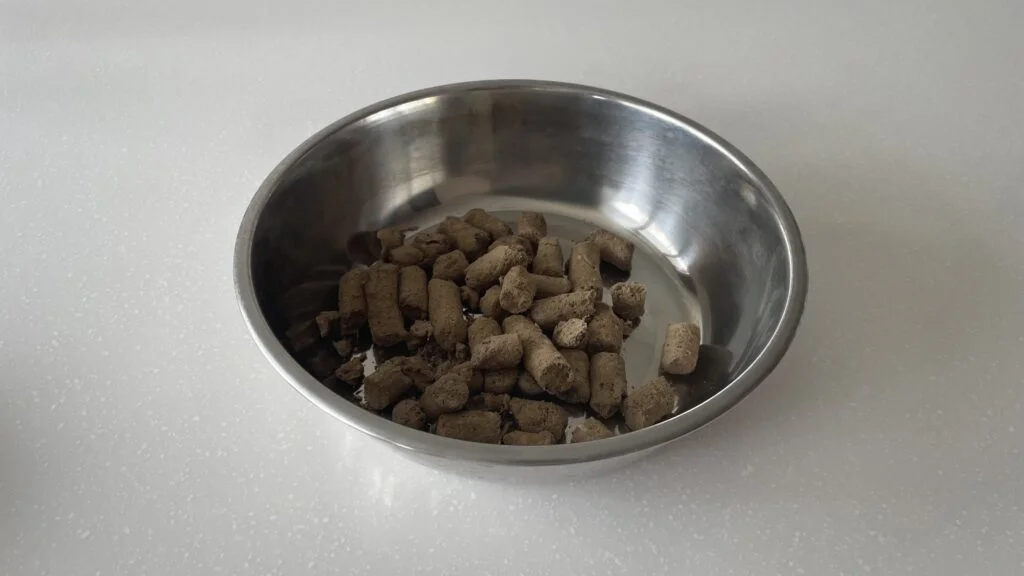
Many people wonder how air-dried food differs from freeze-dried food. The two are similar in many ways, but there are also important differences.
Both air-dried and freeze-dried dog food were developed to provide pet owners with safe, convenient alternatives to raw feeding. Like air-dried food, freeze-dried food is typically made with high-quality animal proteins and naturally derived ingredients.
However, instead of gently drying ingredients with air, freeze-dried food is produced by freezing the ingredients below their eutectic point and then removing moisture through sublimation while they remain frozen. In simple terms, rather than just drying the food, the process involves freezing it first and then drying it under vacuum.
More specifically, the ingredients are first frozen so that the moisture becomes ice. Then, by reducing the pressure inside the chamber, the ice is converted directly into vapor at a very low temperature without passing through the liquid stage. This process is called sublimation. The vapor generated during sublimation is captured by a cold trap, where it condenses, refreezes, and adheres to the internal surfaces of the machine.
Because moisture is removed in this way, freeze-dried food contains very little water, with guaranteed analysis typically showing around 5–10% moisture. By comparison, air-dried food generally contains around 10–12% moisture. At the same time, most of the food’s nutrients are retained.
Because air-dried food retains more moisture, its texture is softer and more pliable, somewhat like jerky. Freeze-dried food, on the other hand, is lighter, but it is often rehydrated with water before feeding.
Concerns About Air-Dried Products
One of the main concerns consumers have about air-dried products is the price. In Japan, many air-dried dog foods are sold at a premium price.
As explained above, air-dried food is produced using a low-temperature, time-intensive process, unlike conventional dry dog food that is mass-produced using an extruder.
On the other hand, because air-dried food is typically high in protein and fat, the feeding amount is often lower than that of conventional dry dog food, as shown below.
| Body Weight (Example: 5 kg) | New Zealand Air-Dried Dog Food | Canadian Dog Food |
|---|---|---|
| Daily Feeding Amount | 71 g | 90 g |
| Retail Price | JPY 37,180 / 4 kg | JPY 8,800 / 2.0 kg |
| Daily Feeding Cost | Approx. JPY 660 | Approx. JPY 396 |
Even so, the daily feeding cost still tends to be higher than that of conventional dog food. However, considering the benefits of air-dried dog food described above, it may not be as expensive as it first appears.
New Zealand’s OEM Manufacturing Environment
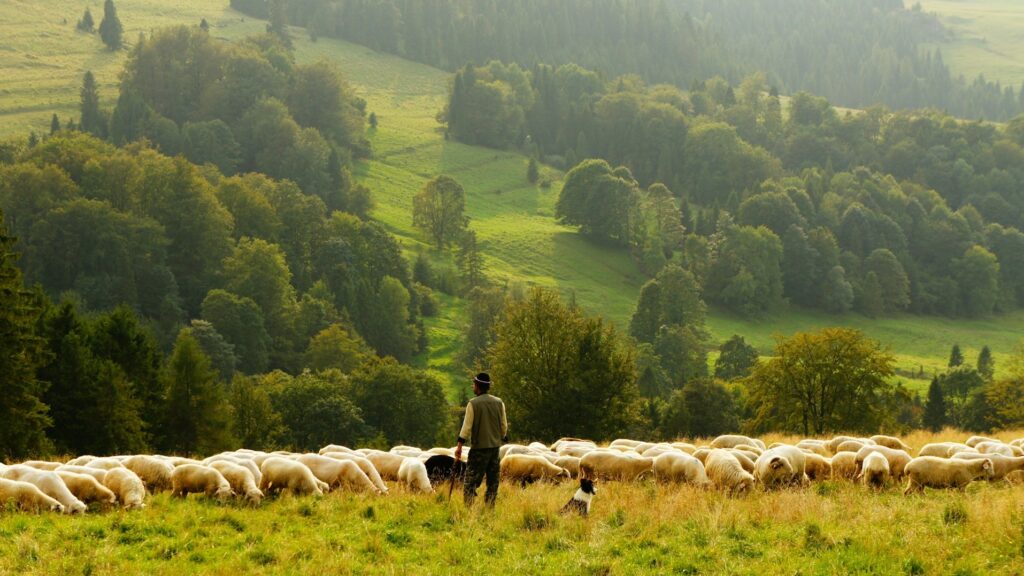
New Zealand ingredients are known worldwide for being among the highest quality available, making the country an ideal place to manufacture air-dried dog food. To better understand why, let us take a closer look at New Zealand’s OEM manufacturing environment.
New Zealand’s Pasture-Based Livestock Industry
New Zealand is known for its vast grasslands, fresh air, and lush natural environment. The country is also internationally recognized for its fresh livestock products and diverse, innovative food culture. As a leading producer of sheep and cattle, New Zealand is also famous for excellent dairy products such as cheese and ice cream.
There are many delicious agricultural products that New Zealand offers, including manuka honey, avocado oil, and seasonal fruits and vegetables. The outstanding flavor of New Zealand ingredients contributes significantly to the production of premium food and beverage products on a global scale.
This strong reputation is not limited to human food. It also greatly enhances the value of the super-premium pet food produced in New Zealand.
Thanks to its highly advanced pasture-based farming systems conducted on expansive farmland, New Zealand has remained free of BSE (commonly known as mad cow disease, a fatal disease affecting the central nervous system of cattle and associated with symptoms such as aggression or depression).
The combination of superior raw materials and strict regulatory requirements for pet food production in New Zealand clearly shows that the country has established a high standard for manufacturing super-premium pet food.
Ingredients Nurtured by Nature
New Zealand’s unique combination of environmental conditions—its mild climate, abundant rainfall, low population density, clean water, and fertile pastureland—helps produce ingredients known for freshness and flavor.
In addition, New Zealand’s Animal Welfare Act and pasture-based livestock systems require cattle, sheep, and deer to be raised in natural environments. Animals raised on pasture are free to move around and do not need to be confined in tight facilities or routinely given antibiotics.
Pasture-raised livestock also do not need to consume artificial hormones, grain-based feed, or other artificial additives. As a result, studies have shown that meat from grass-fed cattle contains 30–40% more conjugated linoleic acid (CLA), which has been linked to anti-cancer effects and weight management, than meat from cattle primarily fed grain.
It has also been shown that free-range chicken is leaner and lower in calories, while eggs from free-range systems are lower in fat and contain more vitamin A and omega-3 fatty acids.
Food Safety Standards
One of the most important priorities in New Zealand is consumer food safety. To achieve a high level of food safety, the country has implemented measures to prevent the introduction of pathogens into livestock and crops, stop the spread of disease, and thoroughly manage livestock behavior and feeding practices.
New Zealand is also recognized by the World Organisation for Animal Health (WOAH) as a country free from certain major animal diseases, and it has established a high level of food traceability.
Food traceability means that ingredients can be tracked back to their suppliers. This not only helps ensure food safety, but also helps prevent the large-scale spread of contaminated food sources.
Strict Regulations for Pet Food Manufacturing
Pet food manufacturers in New Zealand must comply with two strict national laws: the ACVM Act and the APA.
Under the ACVM Act, enacted in 1997, New Zealand authorities regulate the registration of agricultural compounds and veterinary medicines, monitor imported foods, and oversee manufacturing, sales, and use.
In addition, the Animal Products Act 1999 (APA) established a risk management system that requires all pet food products traded and used in New Zealand to be “fit for intended purpose” by meeting New Zealand’s animal product standards.
These strict laws help ensure that pet food is manufactured only by carefully selected producers in hygienic environments, achieving a high level of food safety while using nutrient-rich ingredients.
Competitive Advantages Over OEM Production in Other Countries
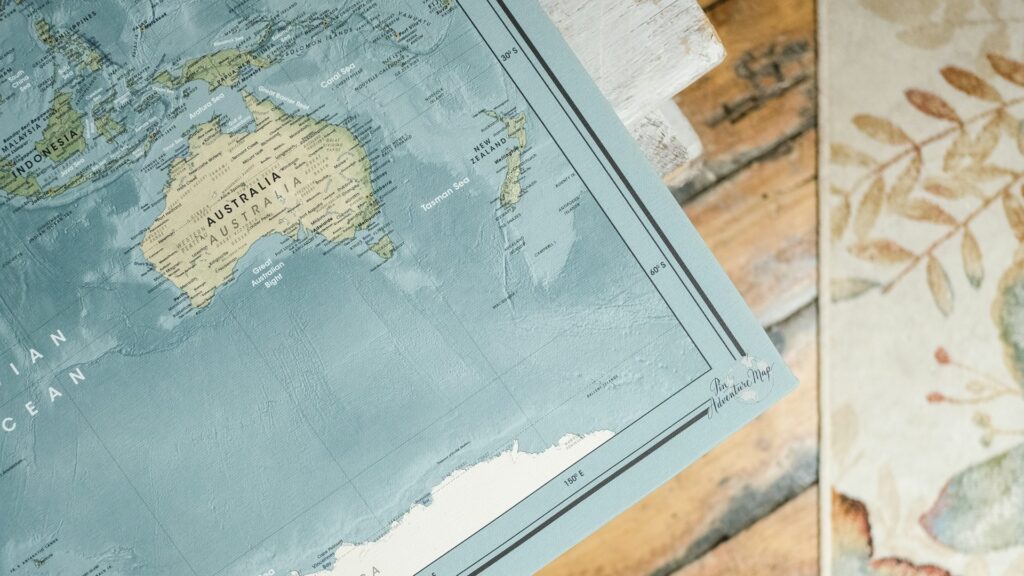
OEM manufacturing in New Zealand offers many competitive advantages compared with other countries.
Lower Geopolitical Risk
New Zealand is located in a region with relatively low geopolitical risk. For example, products manufactured in the Netherlands or the UK are typically shipped to Japan via the Suez Canal and the Red Sea in the Middle East. However, these areas have experienced disruptions such as blockages and attacks on container ships, making them vulnerable to political instability.
By contrast, shipping routes from New Zealand can avoid these geopolitical risks. Because access to Japan is more direct, supply chain risk can be reduced and a more secure logistics structure can be established.
Shorter Shipping Lead Times
Shipping from New Zealand to Japan generally takes less time than shipping products manufactured in the UK or the Netherlands. In many cases, it takes around 60 days from Europe to Japan, compared with about 30 days from New Zealand to Japan.
This makes it possible to bring products to market more quickly and respond faster to fluctuations in demand. Shorter lead times can also improve inventory management efficiency and help reduce operating costs.
Improved Cash Flow
Shorter shipping lead times also contribute to better cash flow. When products reach the market more quickly, sales can be generated sooner and funds can be recovered more rapidly.
In manufacturing models based in the UK or the Netherlands, the longer shipping period of around 60 days tends to lengthen the cash conversion cycle. Shipping from New Zealand, which takes roughly 30 days, can reduce that burden significantly.
As a result, companies can manage working capital more efficiently and support business growth more effectively.
Environmental Regulations and Sustainability
Compared with many other countries, New Zealand places especially strong emphasis on sustainable livestock farming and dog food manufacturing. Environmentally conscious production is highly appealing in the Japanese market, where consumer awareness of sustainability continues to grow.
This also contributes to a stronger brand image and can become a clear point of differentiation from products made elsewhere.
Quality Trusted by Consumers
New Zealand-made dog food is highly regarded in global markets for its quality and safety. Products that meet strict food safety standards are more likely to earn consumer trust, making this a key factor in securing a competitive edge.
Inquiries and Consultations

Our company can introduce the most suitable partner from among multiple OEM manufacturers in New Zealand according to your specific needs and goals. Please feel free to contact us with any questions or consultations regarding our OEM support services.
Main Product Categories We Handle
- Dry dog food
- Freeze-dried raw dog food
- Dry cat food
- Freeze-dried raw cat food
- Dog treats
- Cat treats
- Air-dried pet food
- Retort products
How to Contact Us
Phone: +66 (0)61-457-4310
You can speak directly with one of our representatives by phone. This is the fastest way for us to respond and provide the information you need.
Email:
You can also send an inquiry by email to one of our representatives. We will provide a detailed response to your questions and requests.
Information to Prepare Before Contacting Us
After receiving your inquiry, we will discuss the details based on your interests and needs. At that stage, we may ask about the following points:
- Project Overview
Please tell us about the product you would like to develop and the purpose of your project. - Requests and Requirements
If you can share your specific product requirements, preferences, and budget, we will be able to make more concrete proposals. - Schedule
Please let us know your target completion date and overall development schedule.
We value close communication with our clients and are committed to providing the fullest possible support for the success of your project.