

 Shun Nagai
For people developing pet food, this is a common question. Which option is better ultimately depends on factors such as a dog’s or cat’s preferences and overall health condition. In this article, we will explain the differences between wet food and dry food, compare the pros and cons of each, and highlight key points to consider when deciding what type of product to develop.
What Is Wet Food?
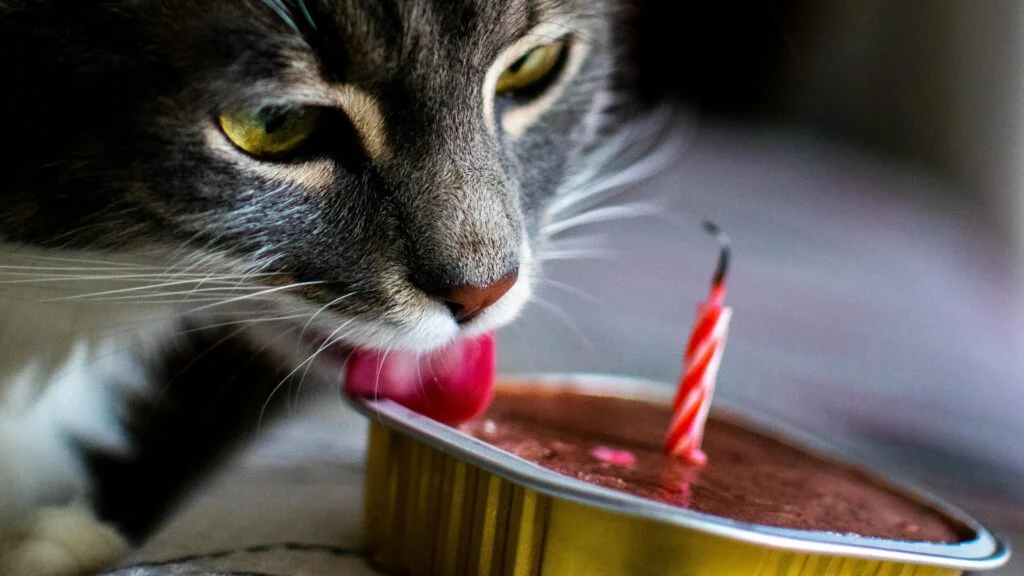
Before kibble (dry dog food) made with extruders appeared in the 1950s, canned wet food dominated the market. The very first canned dog food was made from horse meat and was introduced in 1922 under the brand name Ken-L Ration. Canned cat food entered the market eight years later, in 1930.
Wet food refers to pet food with a high moisture content that comes in cans or pouches. It typically contains around 70–85% moisture, compared with kibble, which contains about 10%. Wet food is characterized by its soft texture and stronger aroma and flavor compared with dry food.
Wet food production usually begins by grinding the protein source, such as meat ingredients. A gravy containing vitamins, minerals, and grains is then added. After everything is mixed together, the food is cooked and sterilized to complete the process.
5 Advantages of Wet Food
More appetizing
Just like humans, dogs and cats tend to prefer food that smells and tastes good and offers a variety of textures in the mouth. In fact, wet food is generally more appealing to dogs and cats than dry food. Cats in particular tend to be more selective than dogs, so they are often more attracted to wet food than kibble.
Easier to eat
Wet food is softer and easier to chew than hard kibble, making it a good choice for dogs and cats with sensitive teeth or small mouths.
It is also suitable for pets with dental problems. Of course, treatment should always come first, but if a pet is suffering from periodontal disease, cavities, or other dental issues, wet food can make it easier for them to eat while still getting the calories and nutrients they need.
Helps pets feel full for longer
Wet food contains 70–85% moisture, which adds volume to the meal and can help dogs and cats feel fuller.
Because the higher water content expands the volume of food in the stomach, pets may feel satisfied sooner. As a result, even a smaller portion of wet food may leave them feeling more content after eating.
Supports hydration
Wet food can be an important source of hydration for pets that do not drink much water on their own. If a dog or cat is not naturally inclined to drink enough, the moisture in wet food can help them take in the water their body needs.
Wet food may also support kidney and urinary tract health. Adequate water intake helps maintain kidney function and may reduce the risk of urinary issues such as urinary stones.
This is especially beneficial for cats, which tend to have a lower natural thirst drive.
Gentle on sensitive stomachs
Dogs and cats with sensitive stomachs or a tendency toward constipation are often well suited to wet food made with natural ingredients. In addition, wet food specially formulated for digestive sensitivity, or products containing prebiotics and probiotics, may be a good option.
4 Disadvantages of Wet Food
Messier and stronger-smelling
This may not be much of a problem for pets, but it can be inconvenient for owners. Wet food tends to stick to the fur around the mouth, can spill easily onto the floor, and often clings to the bowl when washing. Its strong smell may also be unpleasant for some owners.
Shorter shelf life after opening
Once opened, wet food needs to be eaten relatively quickly. If it is not consumed within a few days, it may become less palatable for the pet.
Harder to portion precisely
Wet food usually comes in small pouches or cans, so the serving size is more or less predetermined. If you want to adjust the feeding amount more precisely for a dog or cat, calculating the exact portion can sometimes be inconvenient.
Higher cost
In most cases, wet food is more expensive than dry food.
What Is Dry Food?
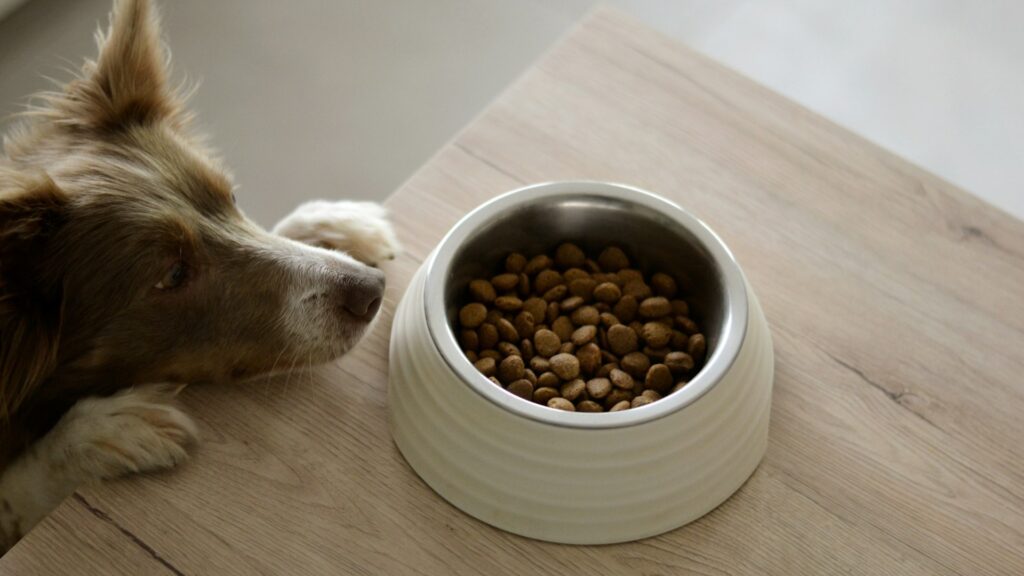
The first dry dog food is said to have been invented in 1860 by an American named James Spratt. His “dog biscuit” was more similar to today’s dog treats, such as Milk-Bone, than to modern kibble. Spratt is also believed to have developed the first commercial dry cat food.
However, extruded kibble as we know it today was invented in the 1950s. Purina was the first company to use this technology to manufacture kibble for dogs and cats, launching Purina Puppy Chow in 1957 and Purina Friskies in 1962.
Kibble contains only about 10% moisture. In the UK, dry food is often referred to as biscuits, while in the US it is commonly called kibble. It typically comes in the form of small brown pellets packaged in large bags or containers. In general, dry food lasts longer than wet food after opening and creates less mess.
Dry food uses very similar ingredients, but instead of adding gravy to create a wet texture, meat and other raw materials are ground and mixed first.
After that, the blended ingredients are pushed through specially shaped openings to form kibble pieces. The kibble is then dried, and fats and palatants are sprayed onto the surface before packaging. Packaging is done before these fats and palatants oxidize.
5 Advantages of Dry Food
Longer shelf life
Compared with wet food, dry food has a longer shelf life after opening, and if stored properly, it can stay fresh for weeks or even months.
This is because dry food contains very little moisture, which helps prevent spoilage and mold growth. As a result, it can be stored for a longer period and may also offer economic benefits.
More cost-effective
Dry food’s longer shelf life makes it easier to buy in larger quantities. This reduces the need for frequent repurchasing and can help lower overall costs.
This is especially beneficial in households with multiple pets or large dogs, where a greater volume of food is needed and the cost advantage of dry food becomes even more noticeable.
Better for weight management
Because dry food is easy to measure and portion accurately, it can be very effective for managing a pet’s weight. Precise calorie control helps maintain a healthy body weight and prevents overfeeding.
For this reason, dry food may be a more practical option than wet food for dogs and cats that need weight control or weight loss support.
Helps keep teeth clean
Dry food is generally firmer and requires chewing, which may help support dental health and keep teeth cleaner. Kibble does not cling to the teeth in the same way wet food does, which may reduce tartar buildup and lower the risk of gingivitis.
This can be particularly important for breeds that are prone to dental disease, such as Greyhounds, Poodles, and Chihuahuas.
Helps keep the mouth area clean
For pets with long facial hair, whiskers, or beards, dry food can help keep the fur around the mouth cleaner and may reduce the risk of skin problems around the face.
4 Disadvantages of Dry Food
Less appealing in palatability
Dry food is nutritious, and dogs and cats may still find the taste satisfying. However, in terms of the overall eating experience, dry food can feel a bit less exciting.
More likely to contain preservatives
In general, dry food is more likely than wet food to contain preservatives. That said, some dry foods are made with all-natural ingredients, and preservative-free options are also available.
Not ideal for hydration
For pets that do not like to drink water, are unwell, or are elderly, wet food may be a better option for supporting hydration.
Can be hard on sensitive teeth
Although dry food may support dental health, it can be difficult to chew for pets with sensitive teeth.
Which Is Better for Pet Food Development?

As explained above, the choice between wet food and dry food depends not only on owner convenience and lifestyle, but also on the pet’s eating habits and health condition.
If a dog or cat is picky and shows little interest in bland food, wet food with a stronger aroma and flavor may be a better choice. Wet food may also be more suitable if the pet has sensitive teeth or does not drink enough water.
On the other hand, dry food can be an excellent option for pets that need weight management. Because portions can be measured accurately, calorie control is easier and overfeeding can be better prevented.
Developing Both Wet and Dry Food
You may be wondering, “So in the end, which is better: wet food or dry food?” That is a very understandable question. One possible answer is to develop both.
In recent years, more pet owners have started feeding both dry and wet food, and many pets seem to adapt well to this mixed-feeding approach. In addition, dogs and cats may change their preferences as they grow older, so offering both product lines may be the best strategy.
In conclusion, there is no need to worry that one type of food is inherently healthier or superior to the other. If the pet food is formulated appropriately, dogs and cats can obtain all the nutrients they need from either format.
However, by taking the above points into consideration, you can develop a high-quality product that supports healthy eating habits and allows dogs and cats to enjoy their meals comfortably while digesting them smoothly.