

 Shun Nagai
Plasma is a high-quality animal protein ingredient.
It is rich in essential vitamins, minerals, and amino acids, and contains functional compounds such as antibodies that provide various health benefits. Plasma is not only nutritionally valuable but also serves as a functional additive that enhances both palatability and health performance.
In wet pet food formulations, plasma can serve as a highly nutritious alternative to additives such as carrageenan or wheat gluten.
What Is Plasma?
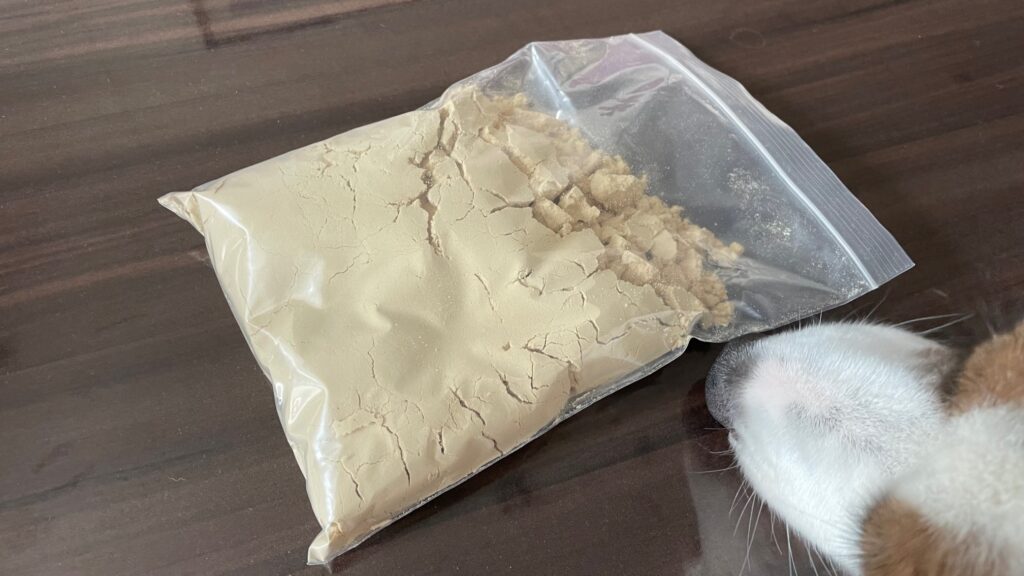
Plasma (blood plasma) is a nutrient-rich component of blood. When red blood cells and platelets are separated from whole blood, the remaining fraction consists of protein-rich compounds such as albumin, globulin, and fibrinogen.
According to AAFCO (Association of American Feed Control Officials), plasma is defined as the portion of blood separated from cellular material such as red and white blood cells.
| Guaranteed Analysis | (%) |
|---|---|
| Crude Protein (min) | 78% |
| Ash (max) | 10% |
Plasma is naturally present in all meat. While plasma can be obtained from the blood of various animals, porcine and bovine plasma are the most commonly used sources in pet food production.
Just as carnivorous animals in nature consume muscle, bone, organs, and blood without waste, utilizing plasma in pet food contributes to sustainability by making full use of animal-derived resources.
Nutritional and Health Benefits of Plasma
| Typical Analysis | (%) |
|---|---|
| Crude Fat | 0.3% |
| Crude Fiber | 0.5% |
| Iron | 90ppm |
| Sodium | 2.2% |
| Chloride | 1.1% |
| Potassium | 0.3% |
| Calcium | 0.15% |
| Phosphorus | 1.3% |
| Moisture | 8.0% |
| Digestible Energy (DE) | 4,108kcal/kg |
Plasma has exceptionally high nutritional value. It contains important vitamins and minerals such as vitamin B12, calcium, phosphorus, sodium, chloride, potassium, and magnesium.
It has been shown to contain higher levels of essential amino acids than certain other protein sources, such as skim milk powder (bovine).
Studies in dogs indicate that incorporating plasma into pet diets may improve digestibility and reduce fecal output.
| Amino Acid Profile (Measured Values) | (%) |
|---|---|
| Alanine | 4.2% |
| Arginine | 4.7% |
| Aspartic Acid | 7.9% |
| Cysteine | 2.5% |
| Glutamic Acid | 11.7% |
| Glycine | 3.0% |
| Histidine | 2.8% |
| Isoleucine | 2.9% |
| Leucine | 7.8% |
| Lysine | 6.8% |
| Methionine | 0.6% |
| Phenylalanine | 4.6% |
| Proline | 4.5% |
| Serine | 4.7% |
| Threonine | 4.3% |
| Tryptophan | 1.4% |
| Tyrosine | 3.6% |
| Valine | 5.3% |
Plasma is rich in functional proteins, nucleotides, and antibodies, which contribute to its growing use in premium pet food formulations.
Certain plasma proteins are believed to have antimicrobial properties and may support immune function. Porcine plasma antibodies, in particular, have demonstrated antibacterial effects and are being explored as potential alternatives to antibiotics.
Research also suggests that plasma may play an important role in promoting optimal gut health. Adding plasma to pet food has been associated with reduced diarrhea, decreased intestinal inflammation, and improved digestive function.
Why Plasma Is Widely Used in Wet Pet Food
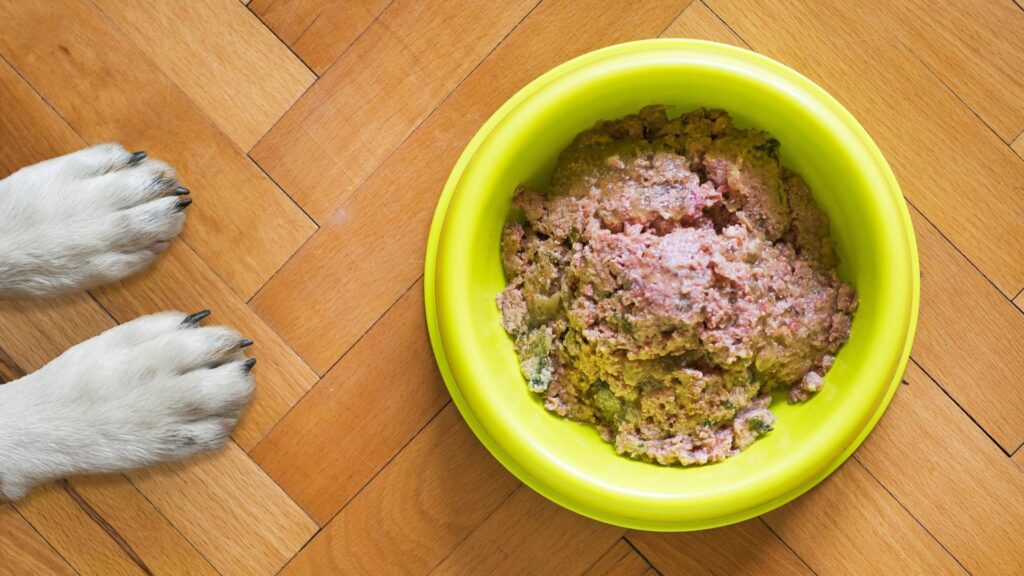
Plasma proteins possess functional properties that contribute to the unique texture of wet pet food. Achieving the right texture is essential for enhancing palatability.
Proteins such as albumin, globulin, and fibrinogen form stable and cohesive structures during wet food processing. This allows manufacturers to create dense, uniform textures that are highly appealing to pets.
Unlike thickening agents such as carrageenan, plasma not only improves texture but also delivers valuable nutrients.
Compared with ingredients such as wheat gluten, plasma has demonstrated superior water-binding capacity. This contributes to improved texture and mouthfeel, making plasma an ideal additive for premium pet food products.
As a result, plasma significantly enhances palatability in both dogs and cats.
OEM Manufacturing with Plasma in Thailand
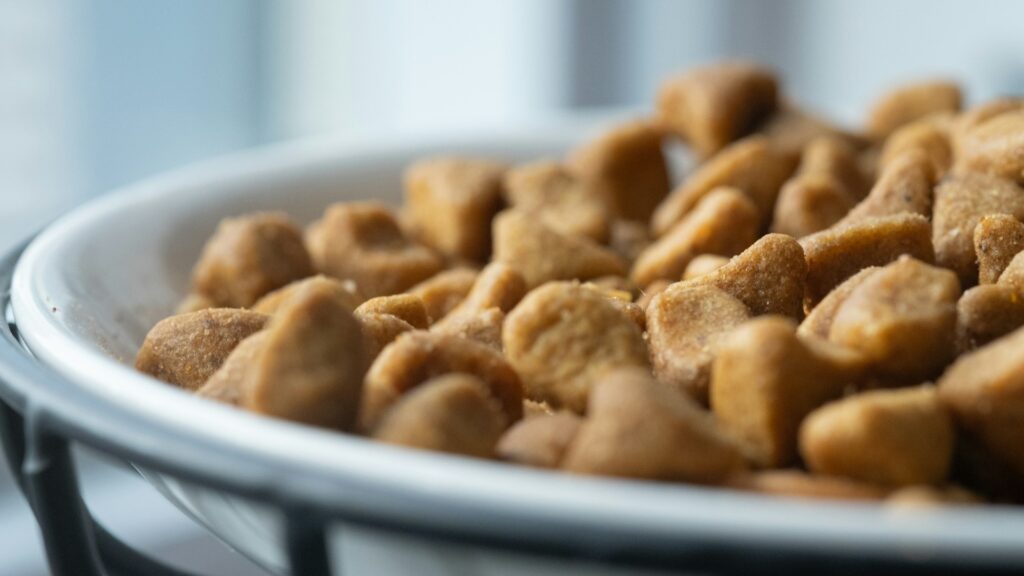
We support the development and OEM manufacturing of dog and cat food in Thailand.
Thailand is widely recognized as a major hub for pet food OEM production. As the market increasingly demands higher quality and greater product differentiation, Thai OEM factories are now able to incorporate innovative ingredients such as plasma.
Plasma offers high nutritional value and functional benefits. It improves texture, enhances palatability, and may support digestion and immune function.
Below are some of the advantages of manufacturing pet food in Thailand.
Thailand’s Strong Track Record as a Pet Food Exporter
According to the Thai Pet Food Trade Association (TPFA), Thailand’s pet food exports reached over 65 billion baht in 2021, representing a 27% year-on-year increase and ranking Thailand as the world’s third-largest pet food exporter.
The top five export destinations are the United States, Japan, Italy, Malaysia, and Australia. Demand is also increasing in Asian countries such as India, Indonesia, and Laos.
As of July 2022, exports had already increased by 43% year-on-year, demonstrating continued growth.
Dr. Chanintr Chalisarapong, Chairman of TPFA, noted that Thailand’s extensive experience in human-grade canned tuna production—approximately 20% of the world’s canned tuna is produced in Thailand—has contributed significantly to the expansion of wet pet food manufacturing.
Easy Access to High-Quality Raw Materials
Approximately 95% of raw materials used in Thai pet food production—fresh meat, grains, and seafood—are sourced locally.
Thailand’s diverse climate supports the production of a wide range of agricultural products, including grains, vegetables, and fruits.
The country also has a strong livestock industry, providing access to fresh, high-quality meat, including human-grade options. In addition, Thailand’s coastal location ensures abundant seafood resources suitable for pet food production.
Cost Advantages
Thailand is known for its relatively competitive production costs compared to Japan and Western countries.
Lower labor costs and strong local sourcing capabilities contribute to overall cost efficiency.
For companies planning to launch new pet food products, this cost advantage can help maintain competitive pricing while preserving product quality.
Frequently Asked Questions
- QCan you manufacture according to our requested recipe?
- QWhat about the quality of raw materials used in Thai OEM manufacturing?
- QWhat kind of manufacturing facilities do Thai OEM factories have?
- QHow is quality control managed in Thailand?
- QHow long does it take from inquiry to product completion?
- QHow long does it take from order placement to delivery?
Contact Us for OEM Consultation

We welcome any inquiries or consultations regarding our OEM support services.
We value close communication with our clients and provide comprehensive support to ensure the success of each project.
How to Contact Us
Phone: +66 (0)61-457-4310
Speak directly with our representative for fast and efficient assistance.
Email:
Send your inquiry to our representative via email. We will respond with detailed information tailored to your needs.
Information to Prepare Before Consultation
After your inquiry, we will conduct a detailed consultation based on your interests and requirements. Please be prepared to share the following:
- Project overview
Details about the product you wish to develop and the project’s objectives. - Requirements and preferences
Specific product requirements, preferences, and budget considerations. - Schedule
Target timeline for product completion.
We value close communication with our clients and are committed to providing full support to ensure project success.
Reference:Plasma in Pet Food: A Functional and Nutritious Ingredient | Now Fresh