

 Shun Nagai
New Zealand is widely known for its pristine natural environment and strict animal welfare standards, and it is also highly regarded in the field of dog food manufacturing. In this article, we explain the benefits of OEM dog food production in New Zealand and the competitive advantages it offers compared with OEM manufacturing in other countries.
New Zealand’s Manufacturing Environment
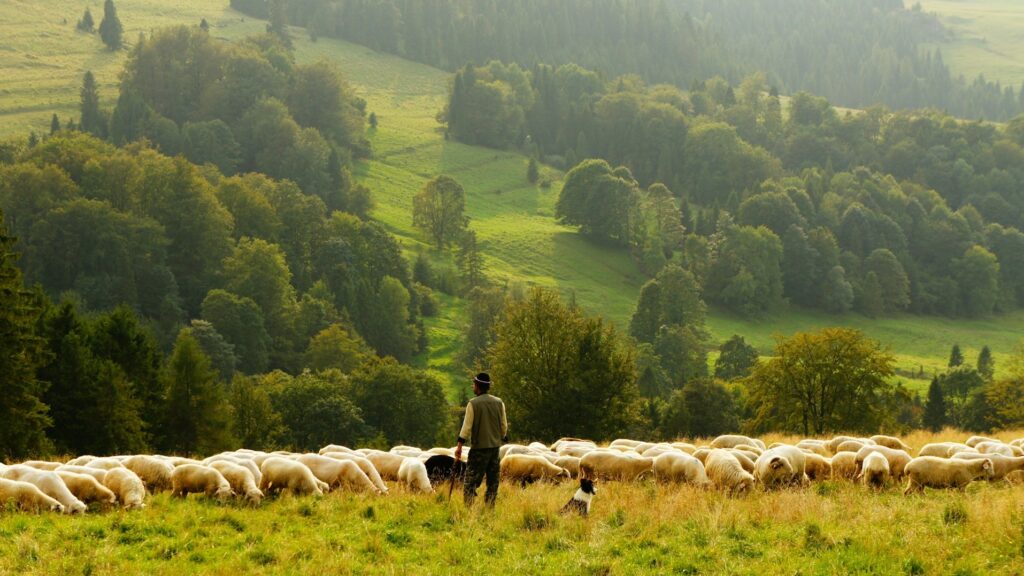
OEM dog food manufacturing in New Zealand allows the use of unique local ingredients such as green-lipped mussel, which supports immune health, as well as manuka honey and kiwifruit. In addition, manufacturers can develop dog food products with the following characteristics:
- Use of cage-free New Zealand chicken
- High protein content of 40% or more
- No use of artificial growth hormones or antibiotics
Below, we introduce the key features of New Zealand’s manufacturing environment.
Pasture-Based Livestock Farming in New Zealand
New Zealand is known for its vast grasslands, clean air, and lush natural environment. The country is globally recognized for fresh livestock products and a diverse, innovative food culture. As a leader in sheep and cattle farming, New Zealand also produces a wide range of high-quality dairy products, including cheese and ice cream.
New Zealand offers many premium agricultural products, such as manuka honey, avocado oil, and seasonal fruits and vegetables. These high-quality ingredients contribute significantly to the global production of premium food and beverage products.
This strong reputation extends beyond human food and also supports the development of super-premium pet food manufactured in New Zealand.
Thanks to advanced pasture-based livestock farming practices carried out on expansive farmland, New Zealand has not experienced BSE (commonly known as mad cow disease), a fatal disease that affects the central nervous system of cattle.
The combination of top-quality raw materials and strict regulatory requirements for pet food manufacturing demonstrates that New Zealand has established a benchmark for producing super-premium pet food.
Ingredients Raised by Nature
A unique combination of environmental conditions found in New Zealand—including a mild climate, high rainfall, low population density, clean water, and fertile pastureland—helps produce ingredients with exceptional freshness and flavor.
In addition, New Zealand’s animal welfare laws and pasture-based farming systems require cattle, sheep, and deer to be raised in natural environments. Animals are not confined to crowded facilities and generally do not require routine antibiotic treatment.
Pasture-raised livestock also do not consume artificial hormones, grain-based feed, or other man-made additives. Research shows that meat from pasture-fed cattle contains 30–40% more conjugated linoleic acid (CLA), which is associated with anti-cancer properties and weight management benefits, compared with meat from grain-fed cattle.
Free-range chicken is also known to be lower in fat and calories, while eggs from free-range systems tend to contain less fat, higher levels of vitamin A, and increased omega-3 fatty acids.
Food Safety Standards
Food safety is one of the highest priorities in New Zealand. To achieve a high level of food safety, strict measures are implemented to prevent pathogens from entering livestock and crops, to control disease outbreaks, and to ensure thorough management of animal behavior and feeding practices.
New Zealand is recognized by the World Organisation for Animal Health (WOAH) as a country free from major animal diseases and maintains a high level of food traceability.
Food traceability refers to the ability to track raw materials back to their original suppliers. This not only ensures food safety but also helps prevent the widespread distribution of contaminated products.
Strict Regulations for Pet Food Manufacturing
Pet food manufacturers in New Zealand must comply with two strict government regulations: the ACVM Act and the Animal Products Act (APA).
Under the ACVM Act, enacted in 1996, agricultural compounds and veterinary medicines are regulated, including their registration, monitoring of imported products, and control over manufacturing, sale, and use.
The Animal Products Act, introduced in 1999, establishes a risk management system that requires all pet food products to be “fit for intended purpose” by meeting New Zealand’s animal product standards.
These strict legal frameworks ensure that only carefully selected manufacturers can produce pet food under hygienic conditions, achieving high food safety standards while using nutritionally rich ingredients.
Self-Manufacturing vs. OEM Manufacturing
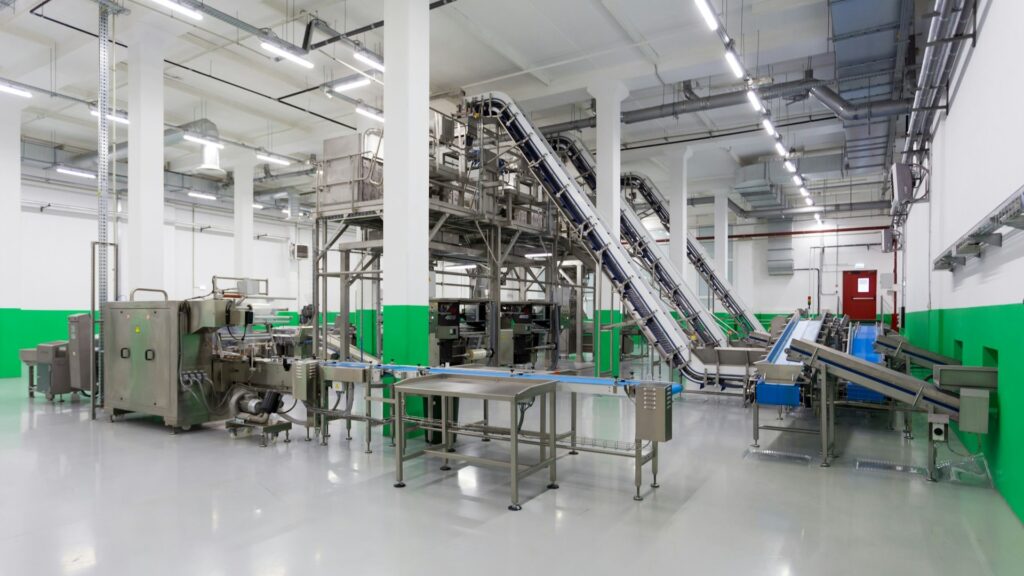
Compared with in-house production, OEM manufacturing offers several advantages.
Flexible Product Development
OEM manufacturing allows dog food brands to customize products according to their specific needs. This includes fine-tuning ingredients, nutritional profiles, and packaging designs to target particular consumer segments. As a result, brands can launch differentiated products and strengthen their competitiveness.
Cost Reduction and Operational Efficiency
OEM manufacturing helps reduce the costs associated with building and operating production facilities. By leveraging existing equipment and experienced manufacturing expertise, companies can produce high-quality products while keeping initial investment low. In addition, streamlined production processes can shorten time-to-market.
High Quality and Reliability
New Zealand OEM manufacturers operate under strict quality control standards, ensuring consistent product quality. The combination of premium raw materials and rigorous quality management systems improves product reliability and builds consumer trust.
Competitive Advantages Compared with Other OEM Countries
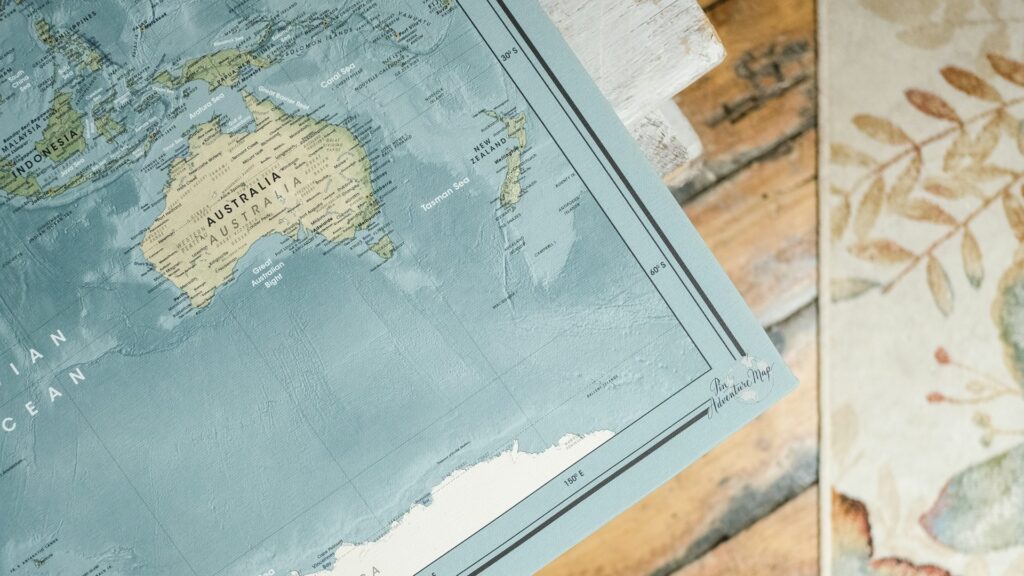
OEM manufacturing in New Zealand offers several competitive advantages over other regions.
Lower Geopolitical Risk
New Zealand is located in a region with relatively low geopolitical risk. Products manufactured in countries such as the UK or the Netherlands are typically shipped to Japan via routes passing through the Middle East, including the Suez Canal and the Red Sea—areas that have experienced disruptions due to political tensions.
In contrast, shipping routes from New Zealand avoid many of these risks, allowing companies to build a more stable and secure supply chain.
Shorter Shipping Lead Time
Shipping from New Zealand to Japan generally takes around 30 days, compared with approximately 60 days from Europe. This shorter lead time enables faster market entry, quicker response to demand fluctuations, and more efficient inventory management.
Improved Cash Flow
Shorter lead times also improve cash flow. Faster delivery allows earlier sales and quicker recovery of capital. Compared with European manufacturing, where longer shipping periods extend the cash conversion cycle, New Zealand-based production helps businesses manage working capital more efficiently.
Environmental Regulations and Sustainability
New Zealand places strong emphasis on sustainable livestock farming and environmentally responsible pet food manufacturing. As environmental awareness continues to rise in the Japanese market, this commitment enhances brand value and serves as a key point of differentiation.
Trusted Quality
Dog food made in New Zealand is highly regarded in global markets for its safety and quality. Products that meet strict food safety standards are more likely to earn consumer trust, which is essential for maintaining a competitive advantage.
Success Stories from Japanese Companies

Several Japanese companies have successfully developed dog food products through OEM manufacturing in New Zealand.
One company achieved success in the Japanese market by developing a product using kangaroo meat, a protein source unique to the Oceania region. Kangaroo-based dog food products are still relatively rare in Japan, which helped differentiate the brand.
Because there are few competing New Zealand-made dry dog food products, these companies have also been able to maintain premium pricing. Furthermore, New Zealand offers manufacturing methods that are difficult to replicate elsewhere, such as air-dried pet food and freeze-dried complete and balanced diets. Brands offering these products often achieve even higher price points.
As a result, several Japanese companies have successfully launched super-premium dog food manufactured in New Zealand and gained significant market share. Key factors behind this success include the use of high-quality New Zealand ingredients and product development aligned with the growing trend of pet humanization.
Inquiries and Consultation

We introduce suitable OEM manufacturing partners based on your specific requirements by working with multiple trusted factories. Please feel free to contact us with any questions or consultation requests regarding OEM dog food manufacturing.
Main Product Categories
- Dry dog food
- Freeze-dried raw dog food
- Dry cat food
- Freeze-dried raw cat food
- Dog treats
- Cat treats
- Air-dried pet food
- Retort products
How to Contact Us
Phone: +66 (0)61-457-4310
You can call our representative directly. Phone support is the fastest way to receive quick answers and the information you need.
Email:
You can send an inquiry email to our representative’s email address. We will respond with detailed answers to your questions and requests.
What to Prepare Before Contacting Us
After receiving your inquiry, we will discuss your project in detail. We typically ask about the following:
- An overview of your project and development objectives
- Specific requirements, preferences, and budget
- Your desired timeline and target launch schedule
We value close communication with our clients and are committed to providing full support to ensure the success of your project.