

 Shun Nagai
In recent years, interest in pet food quality has continued to grow, with more pet owners seeking the very best nutrition for their dogs and cats.
Against this backdrop, pet food manufactured in New Zealand has attracted increasing attention for its use of origin-specific ingredients that clearly differentiate it from products made in other countries.
In this article, we introduce three New Zealand–sourced ingredients that are particularly effective in supporting the immune systems of dogs and cats. For pet food manufacturers looking to differentiate their products in a competitive market, this is essential reading.
Green-Lipped Mussel

Strong bones and healthy joints are essential for dogs and cats at every stage of life.
New Zealand green-lipped mussel is naturally rich in glucosamine and chondroitin, both of which help maintain healthy cartilage.
Glucosamine and chondroitin are structural components of cartilage and contribute to reducing cartilage wear and damage. As a result, they help dogs and cats remain mobile and active for longer.
In addition, green-lipped mussel contains high levels of omega-3 fatty acids, as well as EPA and DHA commonly found in fish. It also includes eicosatetraenoic acid (ETA), which has been shown to help suppress inflammation. While its anti-inflammatory effects are comparable to those of steroids or anti-inflammatory drugs, it does so without associated side effects.
Manuka Honey

Manuka honey is an ideal ingredient for strengthening pet immunity due to its powerful antibacterial properties. Its key active compound, methylglyoxal (MGO), helps inhibit and eliminate the growth of harmful bacteria and viruses, including those associated with kennel cough.
Like green-lipped mussel, manuka honey also exhibits anti-inflammatory effects. By suppressing bacterial growth and promoting tissue regeneration, it supports faster healing of minor wounds, cuts, burns, and abrasions.
Kiwifruit
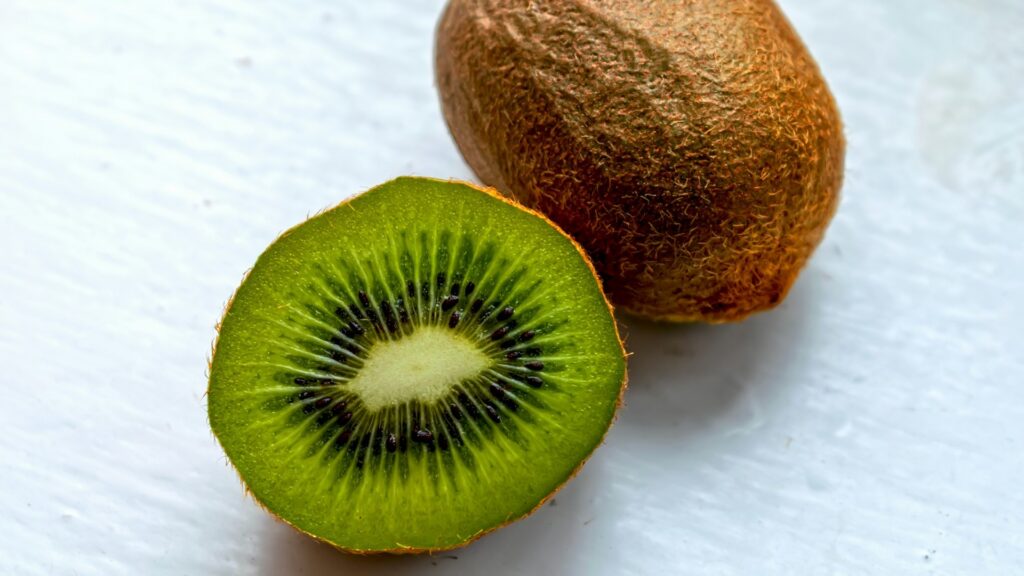
Kiwifruit grown in New Zealand is widely used in snacks and desserts thanks to its distinctive sweet-tart flavor. Nutritionally, it is rich in dietary fiber and vitamins A, C, E, and K, supporting healthy skin and cardiovascular function.
Kiwifruit is also a good source of potassium and calcium, which help maintain muscle and bone health in dogs. These vitamins and minerals work together to support the immune system of pets.
In addition, its high fiber content helps regulate the digestive tract in dogs and cats, maximizing nutrient absorption from daily meals.
Why OEM Manufacturing in New Zealand Makes Sense
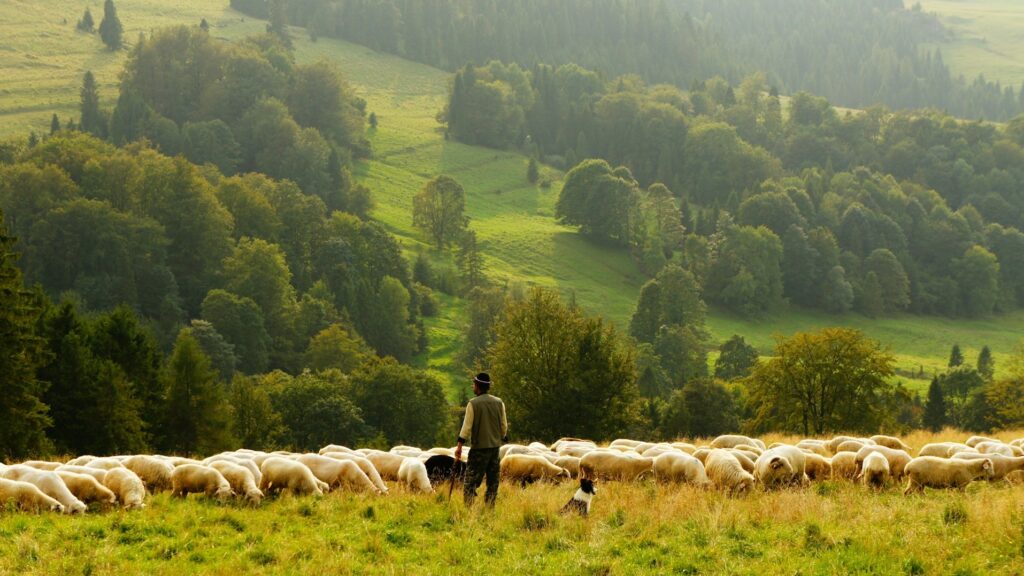
The most effective way to produce pet food using these premium ingredients is through OEM manufacturing in New Zealand.
Beyond green-lipped mussel, manuka honey, and kiwifruit, New Zealand pet food manufacturing offers the following advantages:
- Use of cage-free New Zealand–sourced chicken
- High protein content exceeding 40%
- No artificial growth hormones or antibiotics
Below, we explain why New Zealand is an ideal location for OEM pet food manufacturing.
Pasture-Based Livestock Farming in New Zealand
New Zealand is known for its vast grasslands, clean air, and lush natural environment. The country is internationally recognized for producing fresh livestock products and a diverse range of premium foods.
As a global leader in sheep and dairy farming, New Zealand also produces high-quality cheese and ice cream enjoyed worldwide. Its agricultural offerings include manuka honey, avocado oil, and a wide variety of seasonal fruits and vegetables.
These exceptional ingredients contribute not only to premium human food products, but also to super-premium pet food manufactured in New Zealand.
Thanks to advanced pasture-based farming practices, BSE (commonly known as mad cow disease) has never occurred in New Zealand. Combined with strict regulatory requirements for pet food production, the country has established itself as a benchmark for super-premium pet food manufacturing.
Ingredients Raised by Nature
New Zealand’s unique combination of a mild climate, abundant rainfall, low population density, clean water, and fertile pastureland supports exceptional ingredient freshness and flavor.
Under New Zealand’s animal welfare laws and pasture-based systems, cattle, sheep, and deer must be raised in natural environments. Animals are not confined to crowded facilities and typically do not require antibiotics.
Pasture-raised livestock are also not fed artificial hormones, grain-heavy diets, or unnecessary additives. Research shows that grass-fed beef contains 30–40% more conjugated linoleic acid (CLA)—associated with anti-cancer and weight-management benefits—than grain-fed beef.
Similarly, free-range chicken is lower in fat and calories, while eggs from free-range hens contain less fat, higher vitamin A levels, and increased omega-3 fatty acids.
Food Safety Standards
Food safety is a top national priority in New Zealand. To achieve high safety standards, the country implements rigorous measures to prevent disease outbreaks, control pathogens, and manage livestock behavior and feeding practices.
New Zealand is officially recognized by the World Organisation for Animal Health (WOAH) as a country free from major animal diseases, and it maintains a highly advanced food traceability system.
Food traceability enables tracking of raw materials back to their suppliers, ensuring safety while minimizing the risk of large-scale contamination.
Strict Regulations for Pet Food Manufacturing
Pet food manufacturers in New Zealand must comply with two strict national laws: the ACVM Act and the Animal Products Act (APA).
Under the ACVM Act, enforced by the agricultural chemicals and veterinary medicines division of New Zealand Food Safety, the registration, manufacture, import monitoring, sale, and use of agricultural and veterinary products are tightly regulated.
The Animal Products Act establishes a risk-management system requiring all pet food products to be fit for their intended purpose, ensuring compliance with New Zealand animal product standards.
Together, these regulations guarantee that pet food is manufactured only by qualified producers, in hygienic environments, using carefully selected ingredients while maintaining high food safety and nutritional standards.
Inquiries and Consultation

We introduce suitable OEM manufacturing partners from multiple qualified producers, tailored to your specific requirements.
If you have any questions or would like to discuss OEM pet food development, please feel free to contact us at any time.
How to Contact Us
Phone: +66 (0)61-457-4310
Speak directly with our team for fast responses and immediate information.
Email:
You may also contact us by email. We will provide detailed answers to your questions and requests.
Information to Prepare Before Contacting Us
After your initial inquiry, we will conduct a detailed consultation based on your interests and needs. We may ask about the following:
- Project overview
Details of the product you wish to develop and its objectives - Requirements and preferences
Specific product requirements, target specifications, and budget - Schedule
Your desired timeline for product completion
We value close communication with our clients and are committed to providing full support to ensure the success of your project.