

 Shun Nagai
In the pet food industry, the term “gluten-free” is increasingly common. Originally rooted in human health trends, the concept emerged from dietary therapy for people with celiac disease—an autoimmune disorder triggered by gluten. When a famous professional tennis player credited a gluten-free diet with improving performance, the trend gained mainstream attention. Gluten-free soon became associated with a general perception of being “healthier.”
Influenced by human food trends and marketing narratives, premium pet food has seen a parallel rise in “grain-free” formulations. Additionally, the 2007 melamine contamination incident involving wheat gluten sourced from China— which led to a massive pet food recall and serious health consequences—further fueled concerns. As a result, debates intensified: Are grains (and gluten) unnecessary for dogs and cats? Is gluten harmful?
At the same time, grains have long been used in pet food. Dogs are classified as omnivores, similar to humans, and even wild wolves are known to consume plant matter—including partially digested grains—from the stomach contents of prey animals.
This article explores gluten in pet food from a scientific perspective, examining its role, advantages, and potential drawbacks.
What Is Gluten?
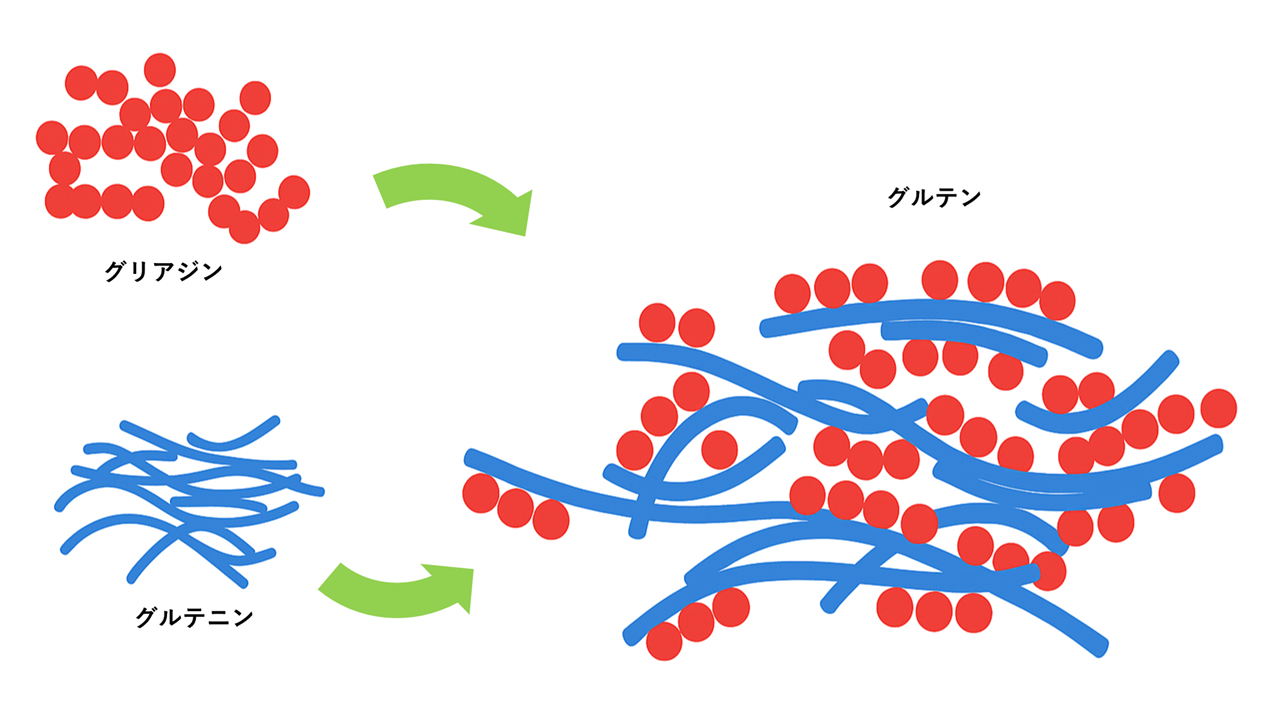
Gluten is a type of protein found in cereal grains such as wheat, barley, and rye. When water is added to wheat flour and the dough is kneaded, elasticity develops due to gluten formation.
Gluten consists primarily of two proteins—glutenin and gliadin—which absorb water and form a network structure that gives dough its elasticity and chewiness. In human food, gluten has long been valued for creating the texture of bread and noodles.
“Gluten-free” simply refers to foods that do not contain gluten. While originally developed for individuals with celiac disease, gluten-free diets have expanded into broader health-conscious lifestyles. Pet food products labeled gluten-free have also entered the market.
Dogs and cats do not naturally develop celiac disease. However, as discussed later, certain dog breeds have been reported to exhibit gluten intolerance (an inability to properly digest gluten). As part of dietary management for these cases—or as a strategy for food allergy-sensitive pets—gluten-free formulations have gained attention.
Grains That Contain Gluten vs. Those That Do Not
First, it is important to define “grains.” Grains generally refer to the seeds of grasses (family Poaceae), including rice, wheat, corn, barley, oats, rye, millet, and sorghum. Common grains in pet food include wheat, corn, and rice.
Grains that contain gluten include:
- Wheat
- Barley
- Rye
These cereal grains contain gluten proteins (glutenin and gliadin).
Grains that do not contain gluten include:
- Rice (brown or white)
- Corn
- Buckwheat (not a true grain)
- Amaranth
- Quinoa
For example, corn starch and rice flour do not contain gluten and are generally tolerated even by animals sensitive to wheat gluten. Oats do not naturally contain gluten, but because they are often processed alongside wheat, cross-contamination is possible. Strict gluten-free formulations may therefore avoid oats.
A gluten-free pet food excludes grains containing gluten (wheat, barley, rye). Some products labeled gluten-free also avoid all grains entirely, effectively making them grain-free.
It is important to distinguish between:
Gluten-Free
- Excludes wheat, barley, and rye
- May include rice or corn
Grain-Free
- Excludes all grains
- More restrictive formulation
These are different concepts, although marketing often blurs the distinction.
Why Is Gluten Used in Pet Food?
The inclusion of gluten or grain-derived ingredients in pet food has functional and nutritional justification. Key benefits include:
Source of Energy
Grains such as wheat and corn are rich in carbohydrates, providing an important energy source for dogs. Appropriate carbohydrate levels support daily activity and spare protein for muscle maintenance.
Grains also contribute fiber, B vitamins, and minerals, supporting overall nutrient balance in complete and balanced diets.
High Digestibility
Processed grains are highly digestible in dogs and cats. While raw grains are poorly digested, extrusion and thermal processing gelatinize starch, making it readily digestible.
Studies have shown that properly cooked grains can achieve digestibility rates of 99–100% in dogs.
Wheat gluten itself has extremely high small-intestinal digestibility (around 99%), meaning minimal undigested protein reaches the colon. This can reduce abnormal fermentation, gas production, and stool odor.
Supplemental Protein Source
Wheat gluten is a concentrated plant protein (approximately 75–80% protein when dried) with very low fat content. Compared to animal proteins, it contains negligible saturated fat and cholesterol, making it suitable in calorie-controlled or lipid-sensitive formulations.
Although wheat gluten is lower in lysine, it is relatively rich in methionine and cysteine. When combined with animal proteins that are high in lysine, the amino acid profiles complement each other, helping achieve balanced essential amino acid requirements.
Functional Processing Benefits
Gluten contributes elasticity and binding properties during extrusion, improving kibble structure and durability. It helps produce uniform, firm kibbles with desirable texture.
The firm texture enhances chewing satisfaction in dogs and may contribute to dental abrasion benefits. In wet foods, wheat gluten can act as a thickening or stabilizing agent, improving texture and consistency.
Cost Efficiency
Wheat and corn are widely available and cost-effective ingredients. Partial inclusion of grain proteins allows formulation flexibility and can reduce overall cost compared to relying exclusively on animal proteins.
This is particularly relevant for large-breed dogs, multi-dog households, or value-focused product segments.
The benefits of gluten-containing grains depend on proper formulation and processing. Ingredient quality and inclusion levels are critical.
Potential Concerns and Drawbacks
Despite its advantages, gluten has raised concerns:
Food Allergies
Wheat can be a trigger in some dogs with food allergies. However, not all dogs are allergic to wheat. Estimates suggest that approximately 10% of dogs may show wheat-related sensitivities.
Symptoms may include itching, redness, ear infections, vomiting, or diarrhea.
Gluten Intolerance
A rare but documented condition exists in certain breeds, notably Irish Setters, where gluten intolerance causes chronic digestive issues.
This differs from allergy and resembles celiac-like enteropathy. Affected dogs require lifelong gluten avoidance.
Importantly, this condition is rare.
Carbohydrate Load and Glycemic Impact
Wheat contains starch, which may increase blood glucose levels. In diabetic, obese, or sedentary dogs, excessive carbohydrate intake should be managed carefully.
This concern relates more broadly to carbohydrate balance rather than gluten itself.
Nutritional Imbalance in Poor-Quality Diets
Low-quality diets may rely excessively on grains as primary ingredients, reducing overall animal protein levels. Such imbalances can negatively affect coat condition, muscle mass, and overall health.
Grains are beneficial when used appropriately—not as the dominant ingredient replacing essential animal proteins.
Risks are primarily associated with specific sensitivities, carbohydrate excess, or poor formulation—not gluten as an inherently harmful ingredient.
Overlooked Benefits of Gluten
Gluten is often perceived negatively, yet it offers meaningful advantages:
Positive Effects on Gut Health
Because wheat gluten is highly digestible, it reduces undigested protein reaching the colon. This may decrease harmful fermentation, gas production, and stool odor.
In some cases, moderate grain inclusion stabilizes digestion better than very high-protein, low-carbohydrate diets.
Lower Phosphorus Content
Plant proteins like wheat gluten typically contain lower phosphorus levels than animal proteins. For pets with kidney disease or urinary issues, phosphorus management is critical.
Many renal therapeutic diets incorporate plant proteins (including gluten) to help maintain adequate protein levels while controlling phosphorus intake.
Established Nutritional Evidence
Grain-based ingredients have decades of safety and nutritional research behind them. Compared with newer alternative proteins, they are well studied and understood.
Many veterinarian-recommended diets include wheat or corn as part of evidence-based nutritional design.
Conclusion: Understand and Use Strategically
Gluten itself is not inherently harmful. When properly formulated, it can be a valuable nutritional and functional ingredient in pet food.
At the same time, certain pets with allergies or intolerance require gluten-free or grain-free formulations. The key is not to follow trends blindly but to make evidence-based decisions tailored to the animal’s health status and life stage.
For pets without sensitivities, there is no scientific necessity to eliminate gluten. Grain-inclusive diets often allow greater formulation flexibility, nutritional balance, and cost efficiency.
The goal of responsible pet food development is not to follow marketing narratives, but to design nutritionally appropriate diets grounded in science.