

 Shun Nagai
Fat is an essential component of a dog’s diet, and within fat are essential fatty acids that cannot be synthesized naturally by the body.
These include two major types: Omega-3 (DHA and EPA) and Omega-6 fatty acids, which must be obtained through diet. These essential fatty acids play important roles in immune function and cardiovascular health.
What Are Omega-3 and Omega-6 Fatty Acids?

Omega-3 and Omega-6 fatty acids are polyunsaturated fatty acids that provide a variety of physiological benefits.
Benefits of Omega-3 Fatty Acids
Obesity Prevention and Improved Metabolism
Omega-3 fatty acids serve as an excellent source of calories. Normally, excess dietary fat that is not used as energy is stored in the body. In Japan, many pet dogs are classified as overweight or at risk of obesity, and excessive fat intake may increase health risks.
However, Omega-3 fatty acids are metabolized more efficiently than many other fatty acids and are believed to carry a lower risk of contributing to obesity. They are also associated with reduced triglyceride levels and improved metabolic activity.
For these reasons, Omega-3 fatty acids are recognized as a healthier calorie source compared to other types of fats.
Support for Dermatitis and Arthritis
Omega-3 fatty acids help support skin and joint health. Supplementation may contribute to alleviating symptoms associated with dermatitis and arthritis.
Dogs are prone to skin and joint issues, particularly as they age. Omega-3 fatty acids are widely used in veterinary products for managing inflammation and itching.
It is important to note that Omega-3 fatty acids are not fast-acting medications. Their effects are gradual and typically observed with consistent, long-term use as a supportive nutritional component.
Benefits of Omega-6 Fatty Acids
Reduction of Blood Cholesterol
Omega-6 fatty acids are believed to help lower blood cholesterol levels, particularly LDL (commonly referred to as “bad” cholesterol). Components such as linoleic acid and arachidonic acid contribute to this effect.
However, excessive intake of Omega-6 fatty acids may produce the opposite effect. Overconsumption may reduce not only LDL cholesterol but also HDL (“good” cholesterol). A decrease in HDL may impair healthy blood flow and potentially increase the risk of cardiovascular concerns.
Support for Healthy Blood Pressure
Omega-6 fatty acids may help maintain healthy blood pressure levels by reducing LDL cholesterol accumulation.
LDL cholesterol can accumulate along blood vessel walls, narrowing blood vessels and restricting blood flow. When blood flow is restricted, the heart must pump harder to circulate blood, increasing cardiovascular strain and blood pressure.
By helping reduce LDL cholesterol, Omega-6 fatty acids may support improved vessel elasticity and blood flow, thereby easing strain on the heart.
Nevertheless, excessive Omega-6 intake may contribute to hypertension if HDL cholesterol levels decline and vascular health deteriorates. Therefore, balance is critical.
The Importance of the Omega-3 to Omega-6 Ratio

As with other nutrients, balance is essential. Most dietary fats and oils naturally contain higher levels of Omega-6 than Omega-3, making careful formulation important.
According to the National Research Council (NRC), the recommended Omega-6 to Omega-3 ratio ranges from 2.6:1 to 26:1. Meanwhile, the Association of American Feed Control Officials (AAFCO) sets an upper guideline of 30:1. For reference, the recommended ratio in human nutrition is approximately 5:1 to 10:1.
There is no single “perfect” ratio within this range; however, maintaining a proper balance is important because these fatty acids influence inflammatory responses.
In general, Omega-3 fatty acids are considered less pro-inflammatory than Omega-6 fatty acids. When the balance becomes skewed, chronic low-grade inflammation may develop, which has been associated with obesity, cancer, diabetes, and other diseases.
Understanding how Omega-3 and Omega-6 are incorporated into a dog’s diet is therefore critical. Maintaining the appropriate balance allows these fatty acids to perform their distinct physiological roles effectively and promote overall health.
Raw Materials Rich in Omega-3 and Omega-6

Omega-3 and Omega-6 fatty acids are primarily obtained from plant oils, animal fats, meat, poultry, and fish.
Omega-3 Fatty Acids (ALA, EPA, DHA)
- Alpha-linolenic acid (ALA):
Plant-based Omega-3 found in flaxseed oil and canola oil. - Eicosapentaenoic acid (EPA):
Marine-based Omega-3 found in boneless salmon and salmon oil. - Docosahexaenoic acid (DHA):
Marine-based Omega-3 found in boneless salmon, salmon oil, and microalgae oil.
ALA, EPA, and DHA are considered essential for growing dogs. Adult dogs can convert ALA into EPA and DHA; however, the conversion rate is relatively low. Therefore, direct dietary intake of EPA and DHA is recommended for optimal health.
DHA is especially important for puppy brain development, immune function, and vision.
Omega-6 Fatty Acid (LA)
- Linoleic acid (LA):
Found in many plant and animal fats and oils, including chicken fat and canola oil.
Linoleic acid is one of the most important essential fatty acids for dogs and plays a critical role in maintaining skin barrier function.
OEM Dog Food Manufacturing with Omega-3 & Omega-6 in Thailand
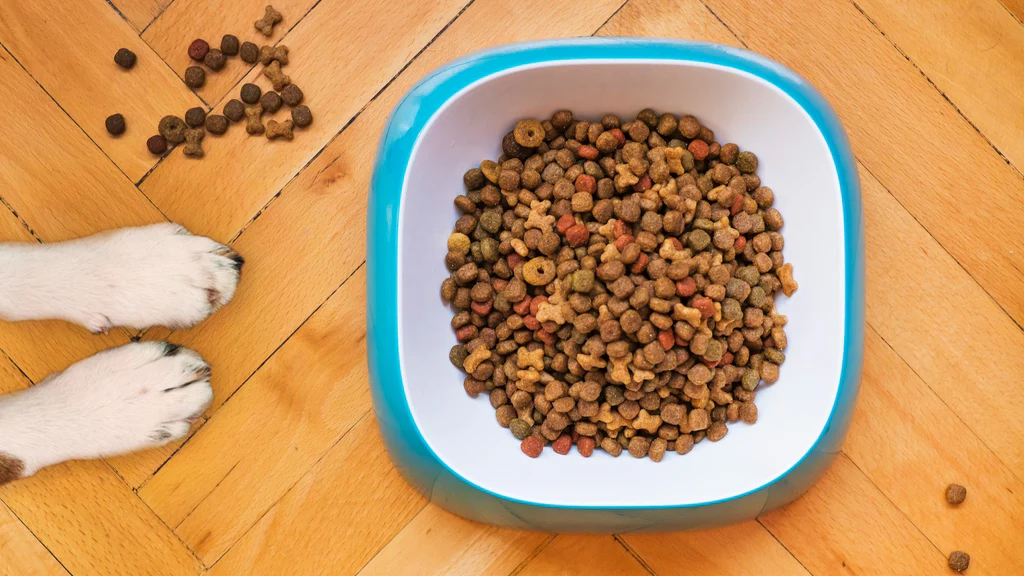
We offer comprehensive dog food development and OEM manufacturing services in Thailand.
Thai OEM production allows incorporation of fresh raw materials such as fresh salmon (rich in Omega-3), flaxseed oil, and canola oil, enabling balanced inclusion of all essential fatty acids required by dogs.
In addition, Thailand offers several strategic advantages for pet food production.
Thailand as a Leading Pet Food Exporter
According to the Thai Pet Food Trade Association (TPFA), Thailand’s pet food export value exceeded 65 billion THB in 2021, representing a 27% year-on-year increase and ranking Thailand as the world’s third-largest pet food exporter.
The top export destinations include the United States, Japan, Italy, Malaysia, and Australia, with growing demand in Asian markets such as India, Indonesia, and Laos.
Thailand’s long-standing expertise in canned tuna production (approximately 20% of the world’s canned tuna is produced in Thailand) has also supported the expansion of wet pet food manufacturing.
Access to High-Quality Raw Materials
Approximately 95% of raw materials used in Thai pet food production are sourced domestically. Thailand’s diverse climate supports the production of grains, vegetables, fruits, livestock, and seafood.
High-quality fresh meats (human-grade) and abundant marine resources are readily available for use in premium pet food formulations.
Cost Advantages
Thailand is known for competitive production costs compared to Japan and Western countries, due to labor costs and efficient local raw material sourcing.
For companies developing new pet food brands, this cost efficiency improves pricing competitiveness and enhances market entry opportunities.
Frequently Asked Questions
- QCan you manufacture according to our requested recipe?
- QWhat about the quality of raw materials used in Thai OEM manufacturing?
- QWhat kind of manufacturing facilities do Thai OEM factories have?
- QHow is quality control managed in Thailand?
- QHow long does it take from inquiry to product completion?
- QHow long does it take from order placement to delivery?
Contact Us for OEM Consultation

We welcome any inquiries or consultations regarding our OEM support services.
We value close communication with our clients and provide comprehensive support to ensure the success of each project.
How to Contact Us
Phone: +66 (0)61-457-4310
Speak directly with our representative for fast and efficient assistance.
Email:
Send your inquiry to our representative via email. We will respond with detailed information tailored to your needs.
Information to Prepare Before Consultation
After your inquiry, we will conduct a detailed consultation based on your interests and requirements. Please be prepared to share the following:
- Project overview
Details about the product you wish to develop and the project’s objectives. - Requirements and preferences
Specific product requirements, preferences, and budget considerations. - Schedule
Target timeline for product completion.
We value close communication with our clients and are committed to providing full support to ensure project success.