

 Shun Nagai
As the pet food market continues to expand, importing products from overseas is becoming increasingly important. At the same time, there are many hidden hurdles in the process—tariffs, transportation costs, and regulatory compliance, to name just a few.
At First Reach (Thailand) Co., Ltd., we support companies facing these challenges by helping them select reliable OEM factories, arrange efficient export/import agents, and provide advice and hands-on support required for overseas business development.
In this article, we will analyze the key challenges involved in importing pet food from abroad and explain the solutions we offer in detail. We will also share practical tips for successfully running an overseas OEM business, with the goal of helping your company import pet food with confidence and peace of mind.
Challenges of importing pet food from overseas
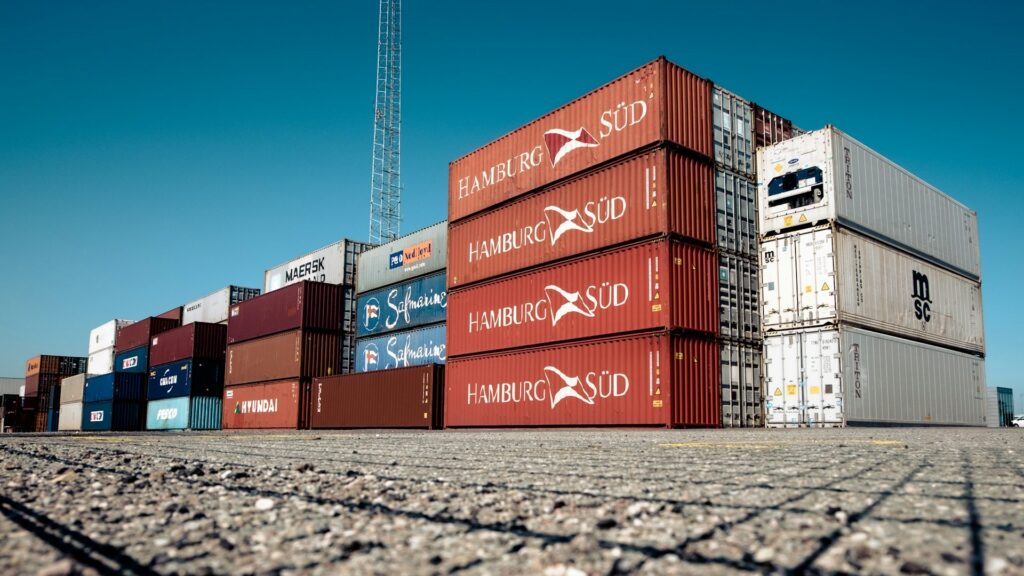
Importing pet food from overseas can be an attractive business opportunity for many companies, but it also comes with a wide range of challenges.
Costs associated with importing
When importing pet food from overseas, various costs arise—not only product and packaging costs, but also the following:
- Tariffs (customs duties)
- Import consumption tax
- Domestic and international transportation costs
- Cargo insurance
- Document issuance fees, etc.
Accurately understanding these costs and building a solid budget is essential for business success. Proper cost management is also key to maximizing profit and running operations efficiently.
Tariffs (customs duties)
Tariffs applied to imported products are determined based on the importing country’s customs regulations and trade agreements. Tariff rates vary depending on the product category and country of origin, and are assessed by the customs authority of the importing country. Because tariffs are added on top of the product price, they directly affect total import costs.
Import consumption tax
Import tax refers to taxes imposed by the importing country on imported products. This tax is calculated based on the value of the goods and is paid separately from tariffs. Tax rates are determined according to the importing country’s tax laws.
In Japan, the import consumption tax rate is a combined rate of national and local consumption tax, and is divided into four categories: 10%, 8%, 6.24%, and 2.2%.
Domestic and international transportation costs
Transportation costs are incurred both overseas and domestically to ship products. These may include ocean freight, air freight, and trucking in both the exporting and importing countries. Transportation costs vary depending on cargo volume and shipping method, so careful planning is required.
Cargo insurance
To prepare for potential loss or damage during transportation, cargo insurance is generally recommended. Premiums depend on the value of the goods and the mode of transport, but insurance plays an important role in ensuring a safe and stable import operation.
Document issuance fees
Import operations require various documents. In many cases, fees apply to obtain documents such as health certificates and preferential tariff documents (e.g., JTEPA). You should also account for international remittance fees and bank charges.
Regulatory compliance issues at import
When importing pet food, you must comply with the regulations and laws of each country. This includes restrictions on ingredients and additives, health certificate requirements, and packaging/labeling standards. Without a clear understanding of these rules, you may face serious issues such as being unable to import the product into Japan.
Documents required to confirm import eligibility
- Ingredient list (including ingredient composition, nutritional components, and ratios)
- Manufacturing process chart (if heating/drying is involved, include temperature and time details)
- Photo of the kibble (to confirm shape)
- Packaging photos for distribution in Japan (front/side/back and overall view)
- Shipping/transport packaging appearance (outer cartons, etc.)
If you manufacture and export a product but later discover it cannot be imported into Japan, everything will be wasted. To prevent this, make sure you thoroughly confirm import eligibility in advance.
Please note: Depending on the product, additional documents may be required.
Documents required for import
- Health Certificate
- Invoice (IV)
- Packing List (PL)
- Preferential tariff documents (e.g., JTEPA), etc.
Because Japan and Thailand have an Economic Partnership Agreement, submitting documents such as JTEPA can reduce import tariffs to zero or a lower rate, depending on the product. Knowing and using these schemes can significantly affect your unit cost and competitiveness in the market.
Please note: Depending on the product, additional documents may be required.
Communication with overseas OEM factories
Finding the right OEM factory is a crucial step in overseas pet food manufacturing. To identify a reliable manufacturer, it is essential to maintain close communication and discuss details such as product quality, lead time, and pricing thoroughly.
Advantages of OEM products made in Thailand

We often propose pet food development and contract manufacturing (OEM) in Thailand for both cat and dog food. Why Thailand? Below are the key reasons.
Proven track record as a major pet food exporter
According to TPFA (Thai Pet Food Trade Association), Thailand’s export value increased by 27% year-on-year to more than 65 billion baht in 2021, making Thailand the world’s third-largest pet food exporter.
Thailand’s top five export destinations are the United States, Japan, Italy, Malaysia, and Australia. Demand for Thai-made pet food is also growing in other Asian countries such as India, Indonesia, and Laos.
The steady growth of Thailand’s pet food exports accelerated further, showing a 43% year-on-year increase as of July 2022.
According to Dr. Chanintr Chalisarapong, Chairman of TPFA, Thailand’s long-standing expertise in canned tuna production (about 20% of the world’s canned tuna is produced in Thailand) has also contributed to the expansion of wet pet food manufacturing. As a result, wet food production in Thailand has become increasingly active.
Easier access to high-quality raw materials
Approximately 95% of the raw materials used in Thai pet food (fresh, high-quality meat, grains, and seafood) are sourced locally, further supporting Thailand’s success in production and global trade.
Thailand has diverse climates and land suitable for producing a wide range of agricultural products such as grains, vegetables, and fruits. Livestock farming is also active, providing access to fresh, high-quality (human-grade) meat. In addition, Thailand’s coastal geography allows abundant seafood resources (also human-grade) to be utilized in pet food.
Cost advantages
Thailand is known for relatively low production costs. Compared to Japan and Western countries, labor wages tend to be lower, and raw material procurement is often easier. For companies developing new pet food products, this is a highly attractive point—because lower manufacturing costs can help keep retail prices competitive while strengthening market competitiveness.
Extensive export experience to Japan
Thailand is an excellent option for OEM pet food manufacturing. Many Thai factories have significant experience and technology, and can supply high-quality products. In addition, many factories have extensive export track records to Japan, making them reliable in quality control and delivery performance.
Key points for successful overseas OEM
Choose a trustworthy OEM factory
Selecting a reliable OEM factory is one of the most important factors for success. Keep the following points in mind:
Production capacity and facilities
A reliable factory maintains sufficient production capacity and proper facility management. Confirm whether the factory can respond flexibly to changes in demand. Also verify whether equipment maintenance and upgrades are performed regularly to ensure stable quality and lead times.
Quality management system
Quality management is essential to maintain product reliability and competitiveness. Check whether the factory holds international certifications such as BRC, ISO, and GMP. Also confirm that product specifications are designed based on international nutritional standards such as AAFCO, ensuring safety and quality.
Export track record
A factory’s export record is an important indicator of reliability. Review past transactions and customer reputation to evaluate trustworthiness. In particular, whether the factory has sales or export experience in the Japanese market is a critical point.
Find export/import agents and logistics partners
Efficient transportation and import procedure management are essential for overseas OEM success. One effective approach is to use reliable export/import agents and logistics partners.
Network and experience in both countries
A trustworthy agent has a broad domestic and international network and extensive experience. They are familiar with international shipping routes and customs procedures and can provide practical advice and support. They can also introduce freight forwarders with pet food shipping experience, which provides additional peace of mind.
Support for import procedures
Agents can support import-related procedures and documentation. They can assist with tasks such as preparing import permits, import declarations, and customs clearance, helping streamline complex processes and minimize risk.
Smoother communication with local factories
Agents can also help facilitate communication with overseas factories by handling language, cultural differences, and time zones. They act as a bridge to resolve issues quickly and keep the business process running smoothly.
Our OEM support services
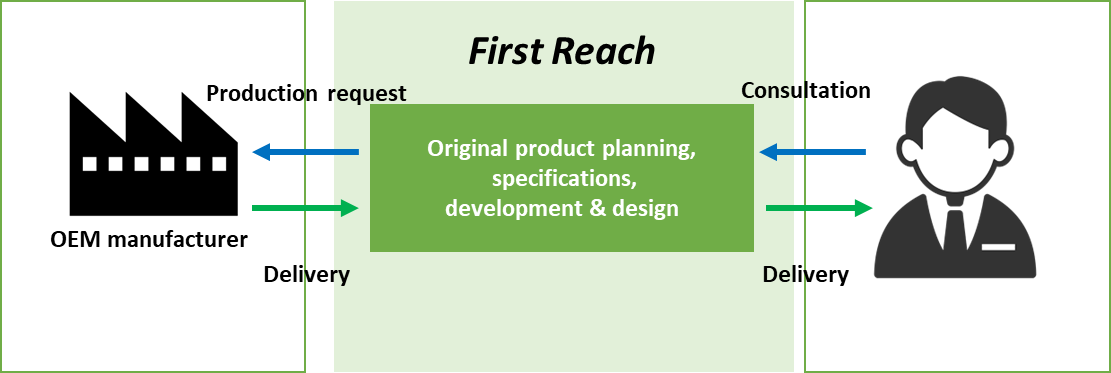
Our “OEM Support” service helps customers by finding OEM factories in Thailand and other countries, and supporting product planning, development, manufacturing, and shipping on their behalf.
Main product categories we handle
- Dry dog food
- Freeze-dried raw dog food
- Dry cat food
- Freeze-dried raw cat food
- Dog treats
- Cat treats
- Freeze-dried products
- Retort products
We provide comprehensive support for the development of a wide range of pet food types—including dry food, retort food, and treats—based on each customer’s needs.
Benefits of working with us
Working with our OEM support service offers a range of advantages:
Access to broader proposals
Instead of being limited to a single OEM factory, you can choose from multiple factories. Taking each factory’s strengths into account, we can propose product specifications, ingredient selections, and R&D-driven recommendations to support the best possible product development.
Introduction to Japanese veterinarians (if needed)
We collaborate with active veterinarians in Japan and can introduce Japanese veterinarians when expert advice on health and nutrition is required.
Smooth communication with local factories
We help you communicate smoothly with our partner OEM factories locally, reducing misunderstandings related to language, culture, and schedules. This helps eliminate uncertainty in specifications and timelines and enables smoother project progress.
Support for optimal logistics and preferential tariff schemes
Selecting the best shipping method and using preferential tariff schemes are critical in international trade. We support these complex processes and propose efficient and cost-effective logistics and tariff reduction strategies.
In addition, we offer logistics consultation from Thailand to Japan. Even if you have limited trade experience, we can introduce freight forwarders and propose options such as CIF delivery to Japanese ports. Please feel free to consult us about import procedures in Japan as well.
Free web marketing consultation
We also help you plan how to position and promote your new product in the market, and provide free consultation on web marketing. With experience operating an EC site with 100,000+ monthly page views, we provide strategic advice for online sales and advertising, supporting product success from a marketing perspective as well.
Overseas OEM development flow
Below is an example of how our OEM support process works:

1. Hearing
(requirements gathering)
First, we listen to your needs and vision. We ask for details such as product purpose, target pets, special ingredients or formulations, and price range.

2. Planning and proposal
Based on the information received, we propose the best product plan. We incorporate market research and trend analysis to provide unique and competitive proposals suited to your brand and product concept.

3. Quotation and product specifications
Once you agree with the proposal, we submit a project quotation and product specification sheet.
4. Confirmation of similar samples
After specifications are finalized, we provide similar samples if available, and ask you to review quality, palatability, aroma, and other factors and share feedback for final product development.
Please note: Samples may not be available in some cases.
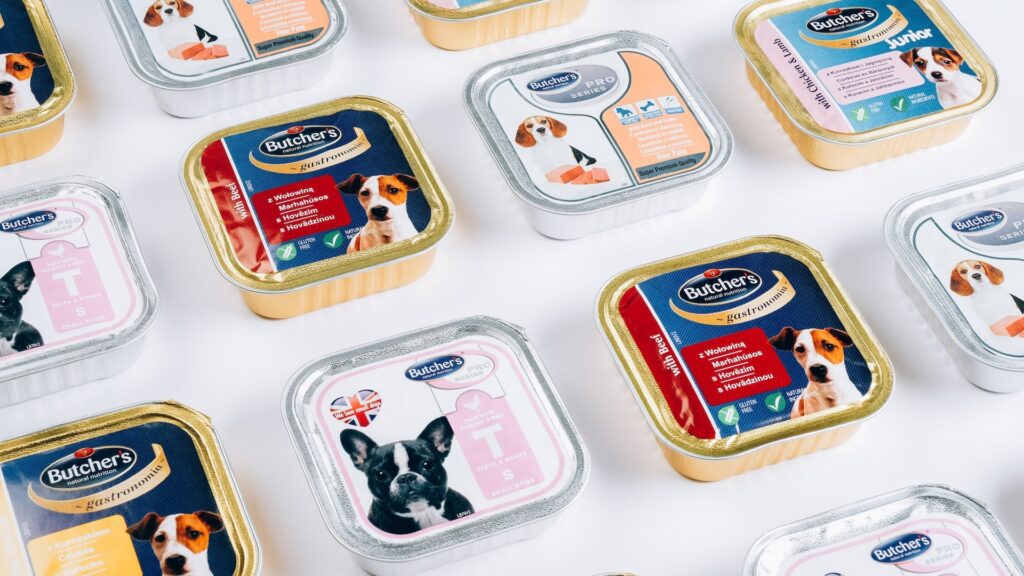
5. Packaging finalization
Once the product is confirmed, we move to packaging planning. Packaging can be done using existing printed designs or plain PP bags.
Packaging outsourcing is also available.

6. Contract and purchase order
After final packaging confirmation, we proceed with formal contracts and ordering, and production begins.
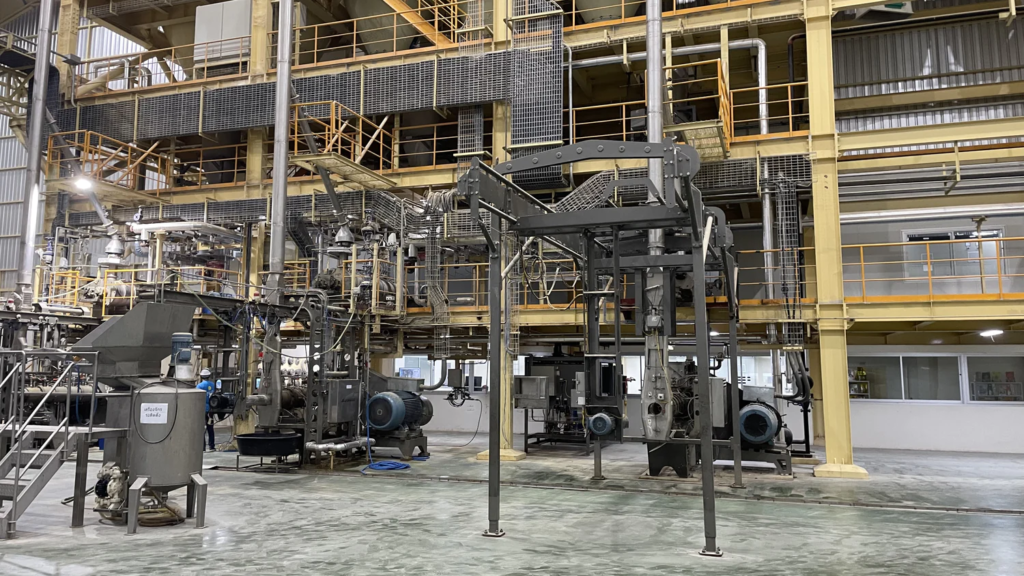
7. Production and delivery
We manage quality control and production scheduling to deliver within your requested timeline. We also provide progress updates and quality reporting throughout the process.